



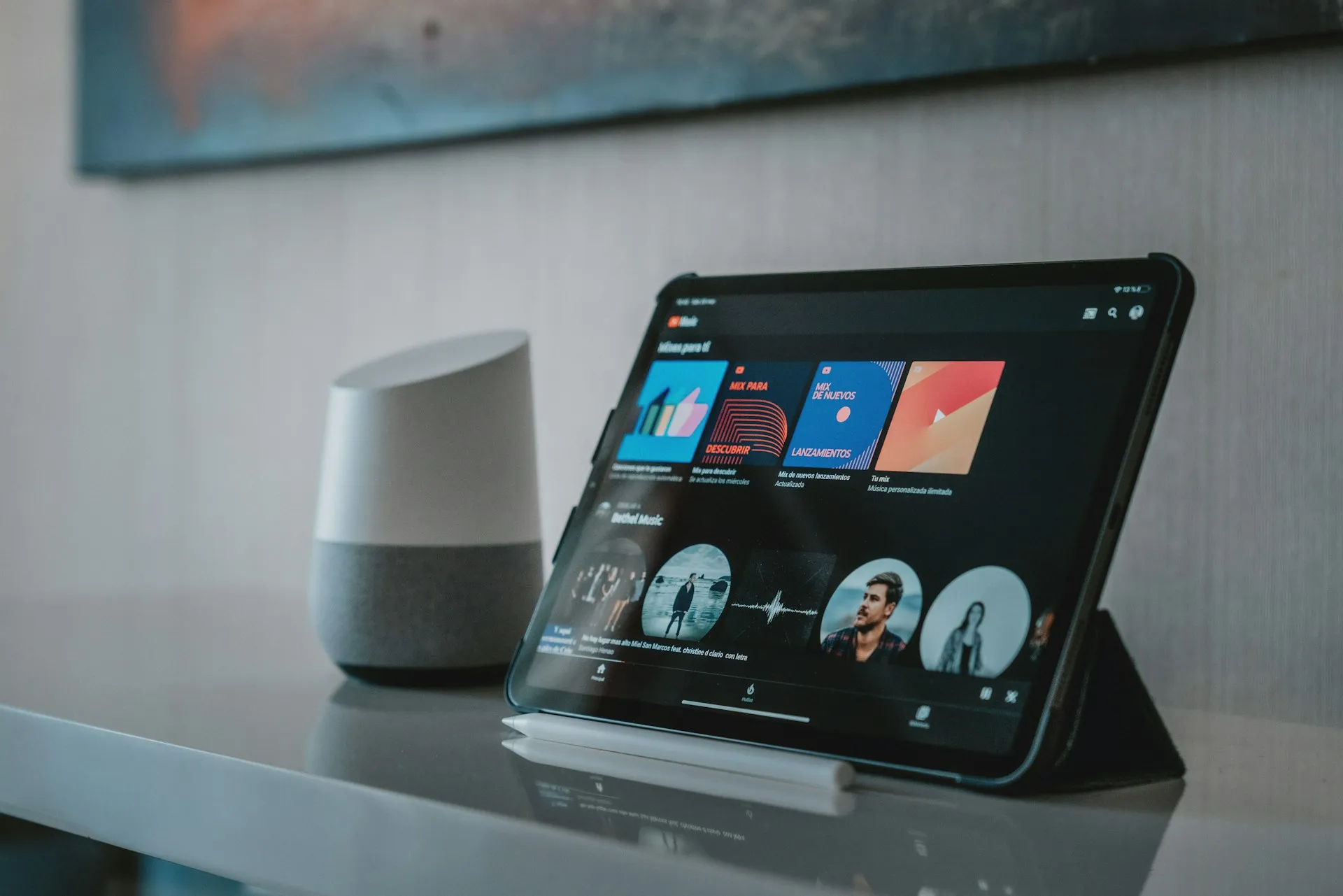
YouTube is testing out a feature that might potentially change our music experience on the platform, and it's one of those updates that makes you wonder why it took so long to implement. The new "Station" feature essentially creates personalized radio stations based on artist-based streams or curated stations, letting you dive deep into their catalog and discover related music without lifting a finger.
For anyone who's ever fallen down a YouTube music rabbit hole, this feels like the natural evolution of how we actually use the platform. Instead of manually queuing up songs or relying on the sometimes-unpredictable autoplay algorithm, Station gives you a curated listening experience that feels intentional yet effortless.
What makes Station different from traditional playlists?
The key distinction here lies in YouTube's approach to music curation. Unlike static playlists that require manual updates, Station leverages YouTube's vast music catalog and recommendation engine to create dynamic, ever-evolving listening experiences. When you start a station based on an artist, you're not just getting their hits—you're getting a carefully balanced mix of their deep cuts, popular tracks, and music from similar artists.
This is a departure from how YouTube previously positioned itself in the music streaming landscape. Rather than trying to compete directly with Spotify's playlist culture or Apple Music's human curation, YouTube is doubling down on what it does best: algorithmic discovery powered by the world's largest music video collection.
The feature works seamlessly across devices, maintaining your listening session whether you're on your phone, tablet, or desktop. This cross-platform continuity addresses one of the biggest pain points in music streaming—the frustration of losing your groove when switching between devices. What's particularly impressive is how Station preserves not just your place in the queue, but the algorithmic "understanding" of what you're enjoying in that moment, ensuring recommendations stay consistent as you move between platforms.
What's particularly clever about this implementation is how it respects the organic way people actually discover music on YouTube. We've all been there: you start with one song, and three hours later you're listening to some incredible artist you've never heard of, wondering how you got there. Station essentially systematizes that serendipitous discovery process while maintaining the element of surprise that makes it so engaging.
How does this stack up against Spotify and YouTube Music?
YouTube's Station feature enters a crowded field where Spotify's radio stations and YouTube Music's existing radio functionality already serve similar purposes. However, YouTube's implementation brings some unique advantages to the table. The platform's access to official music videos, live performances, covers, and rare recordings gives Station a depth that purely audio-focused services can't match.
The algorithmic approach also benefits from YouTube's broader understanding of user behavior. Unlike services that only know your music listening habits, YouTube can factor in your video viewing patterns, search history, and engagement metrics to create more nuanced recommendations. This means if you've been watching indie music documentaries, live festival footage, or even interviews with specific artists, that context can inform what Station serves up in ways that pure audio platforms simply can't access.
Where Station really shines is in music discovery beyond commercially released tracks. The feature can surface acoustic versions, live performances, and artist collaborations that might never appear on traditional streaming platforms. This creates opportunities for both listeners and artists that extend beyond the typical streaming model, where catalog availability often depends on label agreements and commercial distribution deals.
The integration with YouTube's main platform also sets it apart from YouTube Music's more traditional approach. Station doesn't seem to be trying to replace YouTube Music so much as enhance the main YouTube experience, acknowledging that millions of people already use regular YouTube as their primary music platform.
What this means for how we discover music
Station represents YouTube's recognition that music consumption has fundamentally changed. We're no longer in an era where people buy albums and listen to them front-to-back. Instead, we want curated experiences that introduce us to new music while respecting our established preferences.
The feature also acknowledges how visual elements enhance music discovery. When Station serves up a new artist, you're not just hearing their music—you're seeing their aesthetic, their performance style, and their creative vision through music videos and live footage. This creates a more complete first impression that can lead to deeper engagement with an artist's work beyond just the audio track.
For artists, Station opens new pathways to reach listeners that extend well beyond traditional playlist placement. Musicians can now benefit from YouTube's vast interconnected web of content, where a compelling live performance, an acoustic version, or even a well-placed collaboration could help them break into stations built around more established acts. This represents a more organic discovery mechanism compared to the often gatekeep-heavy playlist ecosystem that dominates other platforms.
The implications extend beyond individual listening sessions. Station could influence how artists think about their content strategy on YouTube, potentially encouraging more diverse uploads—live versions, acoustic sets, collaborations—that increase their chances of appearing in relevant algorithmic recommendations.
The bigger picture for YouTube's music strategy
This update signals YouTube's continued investment in music as a core platform feature, separate from but complementary to YouTube Music. Rather than forcing users to migrate to a dedicated music app, YouTube is enhancing the music experience within its main platform where billions of users already spend their time.
Station also represents a more sophisticated approach to keeping users engaged on the platform. By creating seamless, extended listening sessions, YouTube can increase watch time and ad revenue while providing genuine value to users. It's a win-win that leverages the platform's existing strengths rather than trying to replicate competitors' approaches.
The feature's success will likely depend on the quality of its recommendations and how well it balances familiar favorites with new discoveries. YouTube's recommendation algorithm has drawn both praise and criticism in other contexts, but music discovery presents a more forgiving environment where unexpected suggestions can lead to delightful discoveries rather than unwanted rabbit holes.
This approach demonstrates YouTube's understanding of its unique position in the entertainment ecosystem. The platform doesn't need to convince people to develop new habits—it's simply making existing behaviors more intuitive and rewarding for users who already turn to YouTube for their musical needs.
Where music streaming goes from here
Station's launch highlights the ongoing evolution of music streaming toward more intelligent, contextual experiences. As platforms mature beyond simply providing access to music catalogs, the focus shifts to curation, discovery, and creating meaningful connections between artists and listeners.
YouTube's approach suggests that the future of music streaming isn't about having the most songs—it's about having the smartest ways to help users navigate those vast catalogs. Station represents a step toward more intuitive music consumption, where the technology fades into the background and the focus returns to the music itself.
For users, this means less time spent managing playlists and more time discovering new favorites. The friction of music discovery continues to decrease, which ultimately benefits everyone in the ecosystem. We shouldn't have to work hard to find great music—the platforms should work hard to bring great music to us.
For the music industry, it represents another evolution in how artists can reach audiences and how listeners can find the soundtrack to their lives. The democratizing effect of algorithmic discovery means that great music has more pathways to find its audience, regardless of label backing or marketing budgets.
PRO TIP: As Station becomes more widely available, it's worth paying attention to how it influences your own listening habits. The feature might surface patterns in your musical preferences that even you weren't aware of, potentially opening up entire genres or scenes that align with your tastes but were previously off your radar.
The key takeaway is that YouTube continues to evolve its platform in ways that feel natural rather than forced. Station isn't a radical departure from how people already use YouTube—it's a refinement that makes existing behaviors more enjoyable and productive. In a landscape where many platform updates feel like solutions in search of problems, Station addresses a real need with an elegant approach that leverages YouTube's unique strengths in the music discovery space.





Comments
Be the first, drop a comment!