





When Netflix announced they were scooping up Ready Player Me, a little-known avatar company from Estonia, it might have seemed like just another tech acquisition. Netflix isn't just dabbling in gaming anymore; they're betting on a future where your digital identity becomes as important as your Netflix password.
According to TechCrunch, Netflix plans to use Ready Player Me's development tools to build avatars that let subscribers carry their personas across different gaming experiences. Think about that for a second. Your avatar could jump from a Stranger Things game to a Wednesday-themed party game, maintaining the same look and personality.
The fact that Ready Player Me had previously secured substantial venture backing totaling $72 million from notable investors, including a16z and Endeavor, shows just how seriously the tech world takes persistent digital identities—and why investors saw massive potential in cross-platform avatar technology. This acquisition could be Netflix's most ambitious gaming play yet.
Why avatars matter more than you think
The avatar acquisition makes perfect sense when you look at Netflix's broader gaming ambitions. The company has been methodically building its gaming infrastructure, having invested approximately $1 billion in gaming through 2023 with plans for another billion in 2024. That's serious money, even for Netflix—and it suggests they see avatar technology as a critical piece of solving their engagement puzzle.
Ready Player Me's 20-person team, including founders Rainer Selvet, Haver Järveoja, Kaspar Tiri, and Timmu Tõke, will join Netflix to help realize this vision, TechCrunch confirms. What makes this acquisition particularly strategic is Netflix's need for specialized talent in persistent identity systems—something their existing gaming teams lacked. The startup will wind down its existing services by January 31, 2026, including its online avatar creation tool PlayerZero, according to the same report, allowing Netflix to fully integrate its expertise without competing products in the market.
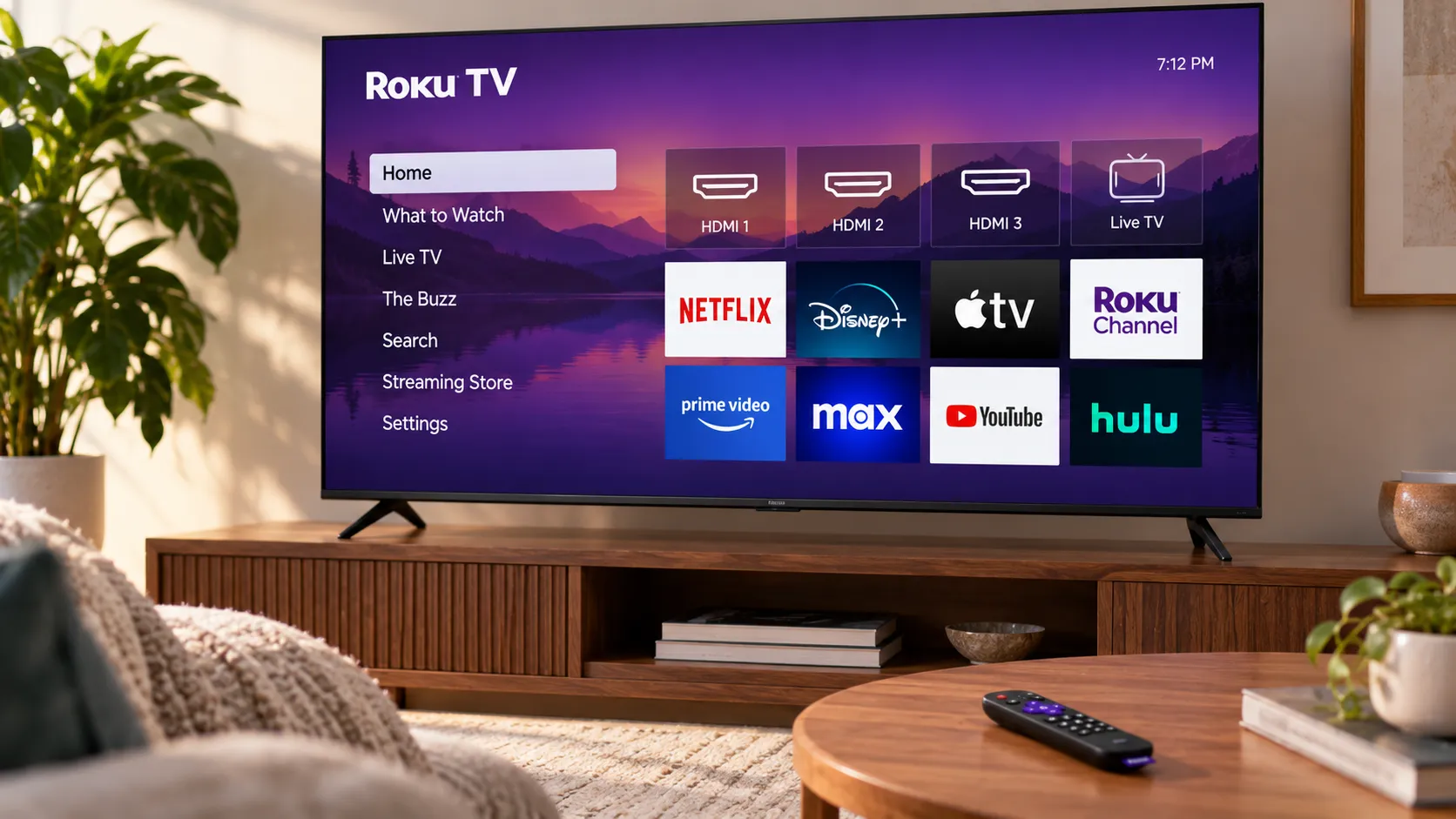
What's particularly intriguing is how this fits into Netflix's party games strategy. The platform recently launched Netflix Party Games, featuring titles like Boggle Party, Pictionary, and Tetris Time Warp that can be played directly on TVs using smartphones as controllers, Paste Magazine reports. These games use a clever QR code pairing system that connects phones to TV displays, creating a seamless multiplayer experience without traditional game controllers. But here's where avatars become game-changing: instead of playing as generic characters, your family game night suddenly becomes more personal when everyone has their own custom avatar that remembers previous games, achievements, and even develops over time. It's the difference between playing with anonymous tokens and building actual digital relationships.
The billion-dollar gaming experiment takes shape
Netflix's gaming journey has been anything but straightforward, and the numbers tell a sobering story. Despite offering 140 games to subscribers without ads or microtransactions, Forbes Australia notes that daily active user counts hover around just 1.1 million—less than 1% of Netflix's 247 million subscribers engage with games daily. Those are pretty sobering numbers for a billion-dollar investment.
The company's mobile gaming portfolio has achieved 192 million total downloads and 326 million installations across all titles, according to research data, but engagement remains stubbornly low. It's the classic "downloads don't equal daily players" problem that mobile gaming companies know all too well. But here's where the avatar strategy starts making sense—persistent digital identities could be the missing piece that transforms casual downloads into habitual engagement. When you have an avatar that grows and evolves across multiple games, you're more likely to return regularly to continue that journey.
This mixed performance has led Netflix to pivot its strategy multiple times. The company has cancelled unannounced publishing deals with external studios and even sold the internal team, Spry Fox, back to its founders, Games Industry reports. Yet Netflix continues doubling down, recently announcing major titles like a Red Dead Redemption mobile port and daily puzzle apps themed around its original content, Paste Magazine confirms.
The persistence suggests Netflix sees something the rest of us might be missing. What they're likely betting on is that gaming success won't come from competing with traditional mobile games, but from creating something entirely new—entertainment experiences where your digital identity seamlessly bridges watching and playing.
What the Warner Bros deal reveals about Netflix's gaming ambitions
Netflix's approach to gaming becomes even more interesting when viewed alongside its massive Warner Bros. Discovery acquisition. The streaming giant is borrowing $59 billion to complete the deal, according to Games Industry, which will bring Warner Bros. Games division under Netflix's umbrella. This division owns successful AAA studios including Netherrealm, Avalanche, Rocksteady, and TT Games, plus mobile gaming operations, the same source reports.
Here's where it gets weird, though. Netflix has valued the Warner Bros. Games division at zero in their acquisition calculations, Business of TV notes, suggesting they see the gaming assets as either non-essential or requiring significant restructuring. This contrasts sharply with the division's actual performance—Warner Bros. Games' Hogwarts Legacy became their highest-selling AAA title with over 30 million units sold, Games Industry reports.
How do you value a division that produces 30-million-unit hits at zero? The answer reveals Netflix's fundamentally different gaming vision. Instead of competing in the traditional console and PC market, where success is measured by unit sales, they're thinking about gaming as content that drives subscription retention and engagement. In this model, a AAA studio's ability to create blockbuster standalone games matters less than its potential to create persistent, avatar-driven experiences that keep subscribers in the Netflix ecosystem.
The acquisition also brings iconic IP, including DC, Harry Potter, Game of Thrones, The Bachelor, The Big Bang Theory, and Friends, under Netflix's control, Deadline confirms. This massive content library could provide the perfect foundation for avatar-driven gaming experiences. Imagine your personalized avatar exploring Gotham City, Hogwarts, or Central Park—with Ready Player Me's technology making that digital persona consistent across all these different worlds.
Where Netflix gaming goes from here
The Ready Player Me acquisition suggests Netflix is thinking beyond traditional gaming categories entirely. Ready Player Me CEO Timmu Tõke emphasized that their "vision has always been to enable avatars and identities to travel across many games and virtual worlds," TechCrunch reports. This aligns perfectly with Netflix's stated goal to create casual party games that can "replace family game night" and build more interactive experiences extending the life of Netflix's IP, Forbes Australia notes.
Netflix's gaming president, Alain Tascan, appointed in July 2023, has outlined plans for the company to launch its first TV-focused games by year's end, The Verge reports. These games will be playable via smart TVs and controlled through smartphones, removing the need for traditional game controllers entirely. Tascan believes this convergence will happen within five years, citing improving streaming technology, audiences expecting cross-device experiences, and Netflix's growing global reach, according to the same source. Avatar technology becomes crucial here—your digital persona could follow you from mobile games during the day to TV-based family gaming at night, creating unprecedented continuity in entertainment experiences.
The company's success metrics for gaming focus on subscription acquisition and retention, plus driving engagement back to linear programming, Forbes Australia confirms. This approach differs significantly from traditional gaming monetization, though Netflix will likely implement strategies like in-app purchases and ads eventually. But the avatar play could unlock something more valuable than direct gaming revenue—deeper subscriber engagement that makes canceling Netflix feel like abandoning a digital identity you've spent months or years building.
What's smart about the avatar strategy is how it could solve Netflix's core gaming challenge: transforming dozens of disconnected mobile games that feel like afterthoughts into a unified gaming ecosystem where your digital identity persists across experiences. Finish watching a season of The Witcher, then jump into a related game where your avatar explores the same world with familiar characters and storylines. It's the kind of synergy that could finally justify Netflix's massive gaming investments while creating something genuinely new in entertainment.
The bigger picture: Netflix's entertainment empire
This avatar acquisition represents more than just a gaming play—it's part of Netflix's broader strategy to become the dominant entertainment platform across all mediums. The company grew overall revenue by 16% in 2024, generating $10 billion in operating income and nearly $7 billion in free cash flow, Forbes Australia reports. Netflix's stock reached an all-time high of $891 in November 2024, giving it a market cap of $379.26 billion, ReAssembler notes. These numbers provide the financial foundation for ambitious experiments like persistent avatar technology.
With the Warner Bros. acquisition bringing broadcast television, syndication, and massive IP libraries into the mix, Netflix is positioning itself as a true entertainment conglomerate. The company will inherit everything from ABC's Abbott Elementary to CBS's Georgie & Mandy's First Marriage, plus daytime syndication shows and entertainment newsmagazines, Deadline confirms. This creates an unprecedented opportunity for avatar integration across multiple entertainment formats—your digital persona could potentially appear in interactive versions of broadcast shows, not just dedicated games.
The Ready Player Me acquisition fits perfectly into this vision. By enabling persistent digital identities across games, Netflix could create deeper connections between its various entertainment properties. Instead of just watching Stranger Things and then separately playing a Stranger Things game, you could have your avatar seamlessly transition from watching an episode to exploring the Upside Down, carrying narrative context and character relationships across both experiences.
You might think this sounds a bit too ambitious, but consider how Netflix has evolved over the past decade. They went from DVD-by-mail to streaming, then from licensing content to producing award-winning originals, and now they're acquiring entire media conglomerates. Each transition seemed impossible until it became inevitable.
Bottom line: Netflix isn't just trying to become the Netflix of games—they're building an entertainment ecosystem where your digital identity seamlessly travels between shows, movies, and interactive experiences. The avatar acquisition might seem like a small move, but it could be the key that unlocks Netflix's gaming future. Whether it works remains to be seen, but it's certainly the most coherent gaming strategy they've shown so far. And with $2 billion in gaming investments backing this vision, they're clearly serious about making persistent digital identities the bridge between entertainment consumption and participation.





Comments
Be the first, drop a comment!