



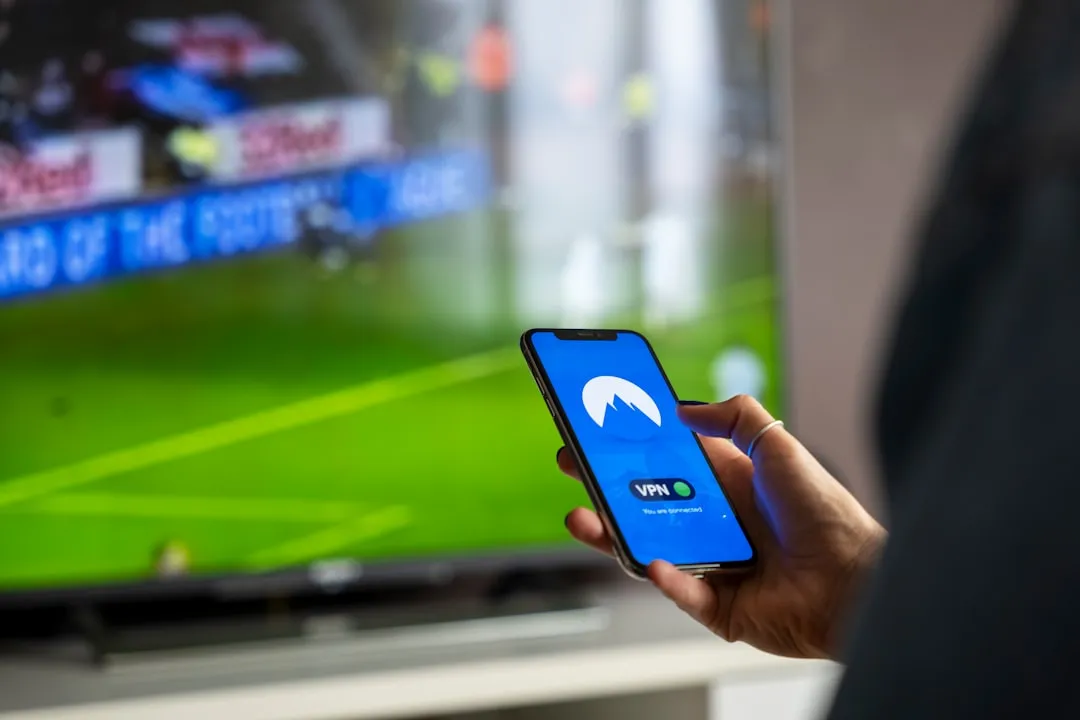
The traditional landscape of sports broadcasting is undergoing a seismic shift, and federal regulators are taking notice. As more live sporting events migrate from free over-the-air television to subscription-based streaming platforms, the Federal Communications Commission has issued a public notice seeking comment on this transformative trend. This regulatory attention comes at a critical juncture when fans are grappling with fragmented viewing experiences, rising costs, and questions about affordability and access to free over-the-air sports to the games they love.
The timing of this FCC inquiry reflects growing concerns about how this shift impacts everyday viewers. While streaming offers certain advantages like on-demand viewing and multi-device access, it also creates new barriers for consumers who have traditionally relied on free broadcast television for major sporting events. The commission's call for public comment signals recognition that this isn't just a market evolution—it's a fundamental change in how Americans access live sports content that may require regulatory oversight.
Why the FCC is stepping into the streaming arena
The commission's decision to solicit public feedback represents more than routine regulatory housekeeping. Here's what you need to know: Federal communications policy has long recognized sports programming as a unique category of content, given its cultural significance and the fact that live games can't simply be watched later without losing their essential appeal. As streaming services increasingly secure exclusive rights to major sporting events, traditional broadcast networks are losing their grip on content that has historically driven viewership and advertising revenue.
This shift raises fundamental questions about universal access to sports content. Unlike premium entertainment programming, live sports often serve as communal experiences that bring together diverse audiences across economic lines. When games move behind subscription paywalls, they potentially exclude viewers who cannot afford multiple streaming services or lack reliable high-speed internet access. The FCC's inquiry suggests regulators are weighing whether current market dynamics adequately serve the public interest.
The regulatory landscape becomes particularly complex when you consider how streaming rights intersect with existing broadcast obligations. Television networks have traditionally operated under public interest standards that include providing free access to certain types of programming. Take local news requirements or emergency broadcasting mandates—these public service commitments were designed for the over-the-air model. As these same networks pivot toward streaming models, the commission faces the challenge of adapting decades-old frameworks to determine how those obligations translate to digital platforms where content can be geographically restricted or locked behind subscription walls.
Infrastructure challenges that streaming can't ignore
Behind the glossy user interfaces and marketing promises, streaming live sports presents technical hurdles that broadcast television solved decades ago. The infrastructure demands of delivering high-quality video to millions of simultaneous viewers during peak sporting events strain even the most robust content delivery networks. Unlike traditional broadcasts that transmit the same signal to entire geographic regions, streaming requires individualized data streams that can overwhelm internet service providers during major games.
These technical limitations become particularly problematic during marquee events when viewership spikes dramatically. Imagine this scenario: millions of viewers simultaneously trying to stream the Super Bowl or March Madness finals. Broadcast television's one-to-many transmission model naturally handles these audience surges, while streaming's one-to-one approach can buckle under the pressure. The result is buffering, reduced video quality, and frustrated viewers who miss crucial moments due to technical failures rather than their own choices.
Geographic disparities in internet infrastructure further complicate the streaming equation. Rural areas with limited broadband access find themselves effectively excluded from sports content that urban viewers can stream seamlessly. This digital divide transforms what was once universally accessible broadcast content into a service available primarily to those with premium internet connections, raising equity concerns that extend beyond simple market competition.
PRO TIP: For viewers experiencing streaming issues during major sporting events, the problem often isn't your device or local internet speed—it's the content delivery infrastructure being overwhelmed by simultaneous demand. Try switching to a lower resolution or refreshing your connection during commercial breaks.
The technical challenges extend to device compatibility and household bandwidth management. While broadcast television delivers the same signal quality to every viewer in a coverage area, streaming services must dynamically adjust quality based on individual connection capabilities and device specifications. This means families watching the same game on different devices in the same household might experience vastly different video quality, creating an uneven viewing experience that broadcast television never faced.
Market dynamics reshape the sports viewing experience
The economics driving sports content toward streaming platforms create ripple effects throughout the entertainment ecosystem. Streaming services view exclusive sports rights as powerful tools for subscriber acquisition and retention, leading to bidding wars that drive up licensing costs exponentially. These increased expenses ultimately flow back to consumers through higher subscription fees and the need for multiple service subscriptions to access complete sports coverage.
Traditional broadcasters find themselves caught between declining advertising revenues and the high costs of competing for sports rights against well-funded streaming platforms. This financial pressure forces difficult decisions about which sports to prioritize and how to balance free broadcast content with paid streaming offerings. The result is an increasingly fragmented landscape where fans must navigate multiple platforms, subscription tiers, and viewing restrictions to follow their favorite teams.
Bottom line: what used to require a simple antenna or basic cable package now demands strategic planning and potentially significant monthly expenses. Fans might need one service for their local team's games, another for national broadcasts, and yet another for playoff coverage. This fragmentation creates not just financial burden but also logistical complexity that can diminish the spontaneous enjoyment that has traditionally characterized sports viewing.
The shift also disrupts established patterns of sports consumption that have developed over generations. Local broadcast affiliates have traditionally served as community anchors for regional sports coverage, providing not just games but also local commentary, team news, and community connections. As content moves to national streaming platforms, these local elements risk being diminished or eliminated entirely, potentially weakening the cultural bonds between teams and their home markets.
This evolution fundamentally changes the social dynamics of sports viewing. Broadcast television enabled effortless shared viewing experiences where friends and family could gather to watch games without subscription compatibility concerns. The move toward individual, account-based streaming creates barriers to these communal experiences, especially when different households subscribe to different services. The result is a more isolated viewing experience that contradicts the inherently social nature of sports fandom.
What happens next in the regulatory playbook?
The FCC's public comment period represents just the opening phase of what could become significant regulatory intervention in sports streaming markets. Federal communications policy has historically balanced free market principles with public interest obligations, and sports programming sits at the intersection of both concerns. The commission's ultimate response will likely depend heavily on the volume and nature of public feedback, as well as broader political considerations about government involvement in media markets.
Potential regulatory actions could range from light-touch disclosure requirements to more substantial interventions like access mandates or anti-blackout rules adapted for streaming platforms. The commission might also explore whether existing broadcast public interest obligations should extend to streaming services that carry sports content, particularly when those services are owned by traditional broadcasters. These decisions will shape not just how Americans watch sports, but how the broader streaming industry develops regulatory compliance frameworks.
Here's what we might see emerge from this process: new requirements for streaming services to provide certain games through free, ad-supported tiers; mandates for local access to home team games regardless of exclusive streaming deals; or infrastructure standards ensuring reliable service quality during high-viewership events. The commission could also establish guidelines for transparent pricing and subscription bundling practices that currently leave consumers guessing about total costs across multiple platforms.
PRO TIP: If you're frustrated with current streaming sports access, now is the time to submit comments to the FCC inquiry. Public feedback during these comment periods genuinely influences regulatory decisions, and individual consumer experiences carry significant weight in policy development.
The outcome of this inquiry will send important signals to both content creators and platform operators about the future regulatory environment. Streaming services that have operated with minimal federal oversight may find themselves subject to new requirements around accessibility, pricing transparency, or content availability. Meanwhile, traditional broadcasters may gain clearer guidance about how to balance their streaming ambitions with existing public service commitments, potentially influencing strategic decisions about sports rights acquisition and platform development.
The key takeaway is that this regulatory attention comes at a pivotal moment in the evolution of sports media consumption. Market forces alone haven't preserved the accessibility and community aspects that have traditionally characterized sports broadcasting. The FCC's inquiry suggests that regulatory intervention may be necessary to ensure that the fundamental public interest in sports content isn't sacrificed in the pursuit of subscription revenue and platform exclusivity.
This isn't just about new tech—it's about rethinking the way we interact with sports content that has served as a cultural touchstone for generations. The decisions made in response to this inquiry will likely influence sports media accessibility for years to come, determining whether the streaming revolution enhances or diminishes the role of live sports in American culture.



Comments
Be the first, drop a comment!