



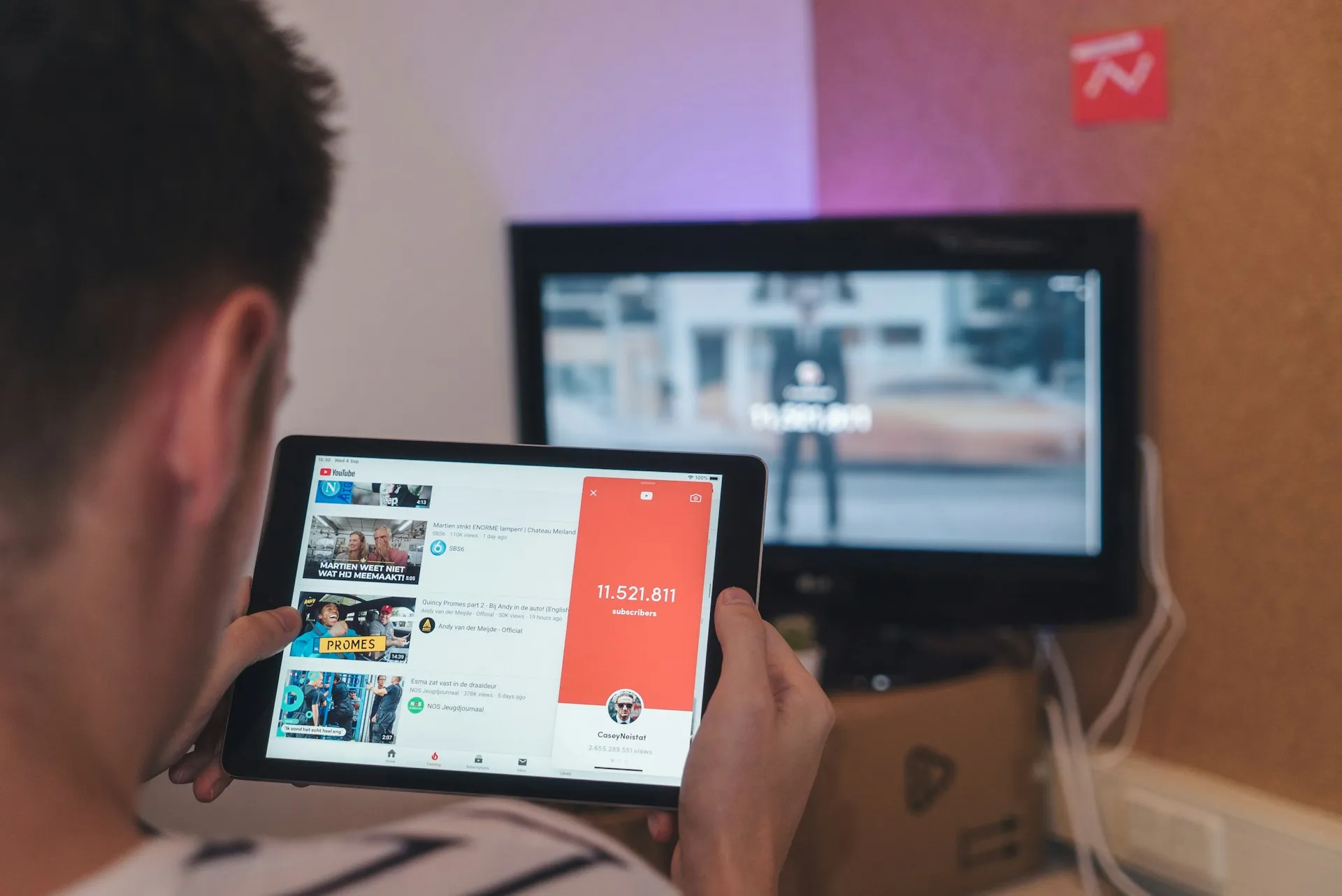
YouTube has recently expanded its 30-second unskippable advertisement format to TV applications worldwide, marking a decisive shift in how Google monetizes its connected TV audience.
The move signals YouTube's growing confidence in its television audience and reflects broader industry trends toward premium advertising experiences on connected TV platforms.
As viewers increasingly cut traditional cable cords and migrate to streaming services, platforms are experimenting with new ways to balance user experience with revenue generation. For many users who've grown accustomed to skipping ads after five seconds, this change is a notable departure from YouTube's traditional approach.
Now here's the thing—this isn't happening in isolation. We're seeing a shift in how streaming platforms think about television versus other devices. YouTube clearly recognizes that when you're sitting on your couch with a remote in hand, you're in a different mindset than when you're scrolling through videos on your phone during a coffee break.
What's driving the shift to longer, unskippable formats?
Connected TV advertising represents one of the fastest-growing segments in digital marketing, with advertisers willing to pay premium rates for guaranteed viewer attention. Unlike mobile or desktop viewing, where users might multitask or quickly navigate away, television viewing typically involves more focused attention from audiences. YouTube appears to be capitalizing on this behavioral difference by ensuring advertisers get complete message delivery.
Let's break it down: when you're watching YouTube on your TV, you're probably settled in for a longer viewing session. This creates what advertisers call a "lean-back" experience—you're more relaxed, less likely to be distracted, and typically consuming content for extended periods.
What's particularly interesting is how this plays into advertiser psychology. Brand marketers have spent decades perfecting 30-second TV spots, and they know exactly how to use that timeframe effectively. By offering non-skippable 30-second exposure, YouTube is speaking the traditional advertising industry's language—which translates directly into higher ad rates and more premium brand partnerships.
From a technical standpoint, longer ad formats also allow for more sophisticated creative storytelling. Advertisers can develop more comprehensive narratives, demonstrate products more thoroughly, or build emotional connections that weren't possible in shorter, skippable formats. This enhanced creative potential justifies higher advertising rates and creates more compelling campaigns.
The shift also addresses a key challenge that traditional TV advertisers face when moving to digital platforms: guaranteed completion rates. While traditional TV commercials play in their entirety, YouTube's skippable ads meant brands often paid for incomplete views. The new format eliminates this uncertainty.
How this impacts your daily streaming experience
For regular YouTube TV users, the most immediate change involves a loss of control over advertising exposure. Previously, viewers could skip most ads after a brief preview, allowing them to maintain viewing momentum and reduce interruption time. The new format requires full attention for 30 seconds, potentially extending total ad viewing time significantly during typical viewing sessions.
Here's where it gets interesting from a user behavior perspective. You might find yourself becoming more selective about what you choose to watch, knowing that each video comes with a mandatory 30-second commitment. This could actually benefit content creators who produce higher-quality, longer-form videos, while making casual browsing less appealing.
Consider how this changes the economics of your attention. If you're planning to watch a 3-minute video, a 30-second unskippable ad represents 17% of your total time investment. For longer content, that percentage drops significantly, potentially steering viewers toward extended-form content where the ad-to-content ratio feels more reasonable.
The TV-specific implementation suggests YouTube recognizes different viewing contexts require different advertising approaches. Mobile and desktop users retain the ability to skip most ads, acknowledging that these platforms involve different attention patterns and usage scenarios. This nuanced approach demonstrates sophisticated understanding of cross-platform user behavior.
What's clever about this strategy is that it doesn't alienate users on other platforms where ad-skipping makes more sense. You're still free to skip ads when watching on your phone or computer, where interruptions feel more intrusive and attention is more fragmented.
The broader streaming landscape implications
YouTube's move reflects intensifying competition in the connected TV space, where platforms are racing to prove their advertising effectiveness to brands shifting budgets from traditional television. Services like Hulu, Paramount+, and others have established precedent with similar unskippable ad formats, making YouTube's previous approach somewhat anomalous in the streaming landscape.
Bottom line: YouTube was actually behind the curve here. This change brings YouTube in line with industry standards rather than pushing boundaries. From a competitive standpoint, this levels the playing field when YouTube pitches advertisers against other connected TV options.
This change also puts additional pressure on YouTube Premium subscriptions, which eliminate advertising entirely. By making the free experience less convenient, YouTube creates stronger incentives for users to upgrade to paid tiers. The timing is strategic—as subscription services face increased scrutiny over pricing, ad-supported alternatives become more attractive to cost-conscious consumers.
The global rollout suggests YouTube has confidence in user retention despite the format change. The platform likely conducted extensive testing to determine optimal ad lengths and frequencies that maximize revenue without triggering significant user abandonment. This data-driven approach reflects the sophisticated analytics capabilities that major tech platforms bring to content and advertising optimization.
Beyond user experience, this change has implications for content creators. Historically, longer and unskippable ads typically command higher rates, which could translate to increased revenue sharing with creators. This creates an interesting dynamic where creators might actually benefit from a change that initially seems to disadvantage viewers.
What this means for the future of free streaming
The success or failure of YouTube's unskippable ad strategy will likely influence other platforms' advertising approaches. If user engagement remains stable while revenue increases, expect similar moves across the streaming ecosystem. However, this also opens opportunities for competitors to differentiate through more viewer-friendly ad experiences.
Here's what I think we're really seeing: a maturation of the streaming advertising model. Early digital video platforms could afford to prioritize user experience over advertiser satisfaction because the market was less developed. Now, with streaming becoming the dominant form of video consumption, platforms need sustainable revenue models that satisfy both viewers and advertisers.
The change ultimately reflects the evolution of connected TV as an advertising medium. As this platform becomes more central to how people consume video content, expect continued experimentation with ad formats, targeting capabilities, and user experience optimization. The days of treating TV streaming as simply "YouTube on a bigger screen" are clearly ending, replaced by more sophisticated, platform-specific approaches.
What's fascinating is how this represents the convergence of traditional TV advertising principles with digital platform capabilities. YouTube can offer the guaranteed exposure that TV advertisers want, while maintaining the precise targeting and measurement capabilities that digital platforms provide.
The real test will be whether this change drives meaningful subscription conversions without alienating free users entirely. If successful, it establishes a sustainable model for ad-supported streaming that could influence industry practices for years to come. The next few months will be critical in determining whether YouTube has found the right balance between advertiser value and user tolerance.



Comments
Be the first, drop a comment!