



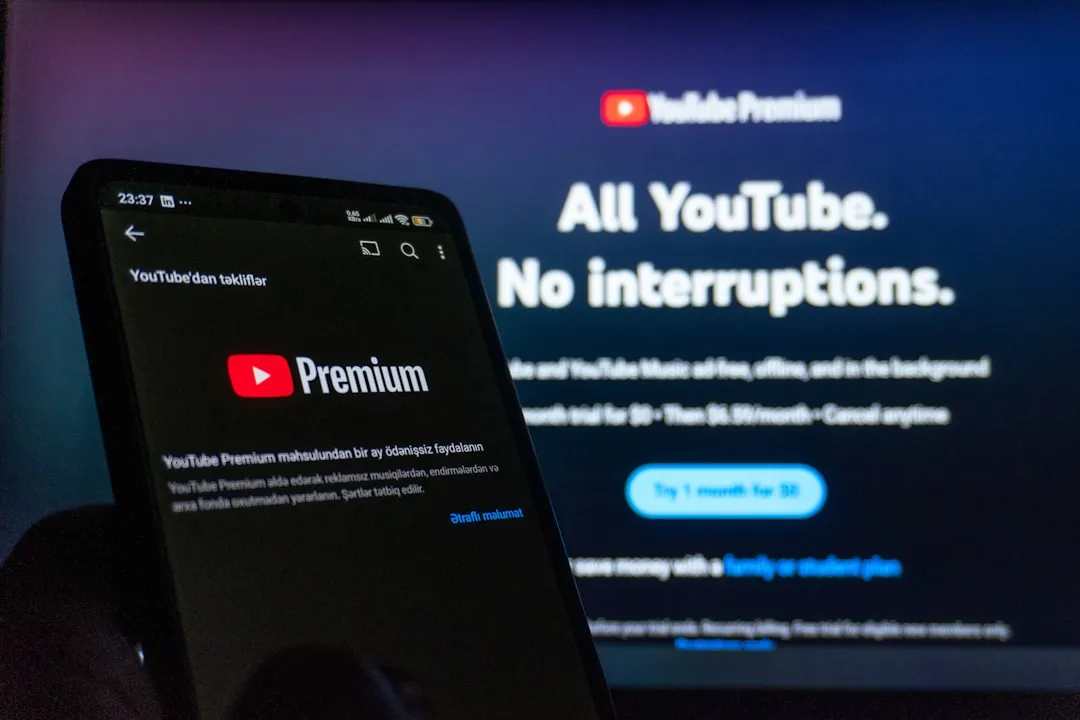
YouTube Livestream Ads Update Pauses Ads at Peak Chat Moments
YouTube's latest YouTube livestream ads update targets one of live video's most reliable frustrations: ads that fire exactly when chat explodes. The platform announced this week that its system will now detect surges in live chat activity and automatically hold back ads for all viewers during those windows, protecting what YouTube's official blog calls the stream's "collective vibe."
A second change rewards viewers who spend directly: anyone who sends a Super Chat, Super Sticker, or virtual gift gets a short ad-free window immediately after their purchase, according to The Hans India. Previously, avoiding livestream ads was largely limited to YouTube Premium subscribers.
The viewer-side improvements are real. The harder question is whether suppressing ads during the most-engaged moments of a stream costs creators meaningful revenue. YouTube has not addressed that question with data, and until it does, creators are being asked to trust that the tradeoff works in their favor.
How YouTube peak moment livestream ads work
When live chat volume spikes-the kind of surge that accompanies a major game reveal, a match-winning play, or a charged live confrontation YouTube's system now automatically delays ads for every viewer watching. As Tubefilter reported, "everyone in chat gets rewarded with no ads" during those periods. YouTube framed the goal as helping creators "keep the momentum going for the whole community."
The Super Chat mechanism works differently. When a viewer spends money-whether to pin a message via Super Chat, send a visual via Super Sticker, or contribute a channel gift ads are paused specifically for that viewer for a brief period after the purchase, per Tubefilter. The viewer trades direct creator support for a temporary interruption-free window. Importantly, this one carries less revenue risk: the viewer is already opening their wallet, so the foregone ad impression comes with an offsetting payment to the creator.
Worth understanding about the baseline: YouTube's own documentation makes clear that ad delivery during livestreams was never guaranteed to begin with. Not every viewer receives an ad during a given mid-roll window; some continue watching uninterrupted regardless. The new system layers structured, engagement-aware suppression on top of delivery that was already inconsistent by design.
Several operational details remain undisclosed. YouTube has not said what chat volume threshold triggers a hold, how long the suppression window typically lasts, or whether the system applies to creator-triggered manual mid-rolls, automatically served impressions, or both. Those gaps matter a lot for any creator trying to model how this affects their earnings.
Why this fits a pattern YouTube has been building since 2023
This is not a sharp pivot. YouTube has been working to make livestream ads less disruptive for a few years, adding monetization tools in stages.
Live mid-rolls for streams came first. Then, in August 2024, Tubefilter reported that YouTube was experimenting with picture-in-picture mid-rolls, a format where ads appear in a smaller overlay rather than pulling viewers out of the stream entirely. The platform described that test as letting "creators run ads without disrupting the live stream." The engagement-aware suppression announced this week extends that same logic further: rather than changing how ads look, it changes when they run.
The underlying business case is not subtle. Streamers who enable mid-roll ads generate roughly 20% more in-stream ad revenue per hour, according to YouTube's own figures cited by Tubefilter. YouTube needs creators to keep ads on. That means the ads have to be tolerable enough that creators do not feel pressure from their audience to disable them mid-stream.
There is also a precedent in YouTube's own data on long-form video. YouTube's Help documentation notes that automatically placed mid-rolls are two times less interruptive than manually placed ones in user studies, and that mid-rolls inserted at disruptive points cause the platform's ad system to serve fewer impressions overall. The new livestream logic draws on the same principle: holding an ad during a peak moment may preserve more value than forcing it through at the worst possible time.
The design is not unlike what television networks have done for decades building ad breaks around natural pauses, timeouts, replays, and transitions rather than cutting away mid-action. YouTube is automating that judgment, using chat velocity as its proxy signal for "something important is happening, don't cut away now."
What creators still do not know
For viewers, the change is straightforward. Free users who previously had no mechanism to dodge mid-stream interruptions will now see fewer ads at the moments that make live viewing worthwhile, according to The Hans India. That protection used to be largely a YouTube Premium advantage. The YouTube Super Chat ad-free viewing window adds a second path for non-subscribers: spend a few dollars, get a brief reprieve.
For creators, the picture is less settled. Tubefilter raised the concern directly: if fewer ads run during a stream's most active periods, total ad revenue could fall. The Super Chat-triggered window is relatively contained direct fan spending offsets the lost impression. The community-wide suppression during chat spikes is harder to evaluate, because those are also the moments when live audiences tend to be largest, making the withheld impressions potentially significant.
YouTube has not said whether it expects higher viewer retention to offset fewer ads served per session. No data on suppression frequency, average hold duration, RPM impact, or net monetization change has been released. Creators cannot currently model this tradeoff with any precision.
Tubefilter put the question plainly: will temporary ad pauses during peak engagement be frequent enough, or long enough, to result in actual revenue cuts? That remains open.
The number YouTube still needs to publish
The chat-spike suppression system and the YouTube ad-free livestream window together represent the most direct intervention the platform has made on the timing problem. The direction of travel across the past few years has been consistent: from introducing live mid-rolls, to testing picture-in-picture overlays, to now suppressing ads when engagement peaks entirely.
What is missing is the evidence that it works economically for the people running the streams. Whether YouTube publishes retention or RPM data tied to these changes, and whether creators start reporting shifts in their live earnings dashboards over the next quarter, will be the real measure of whether this update delivers on both sides of the equation. The viewer experience argument is already made. The creator revenue argument still needs the data to back it up.









Comments
Be the first, drop a comment!