



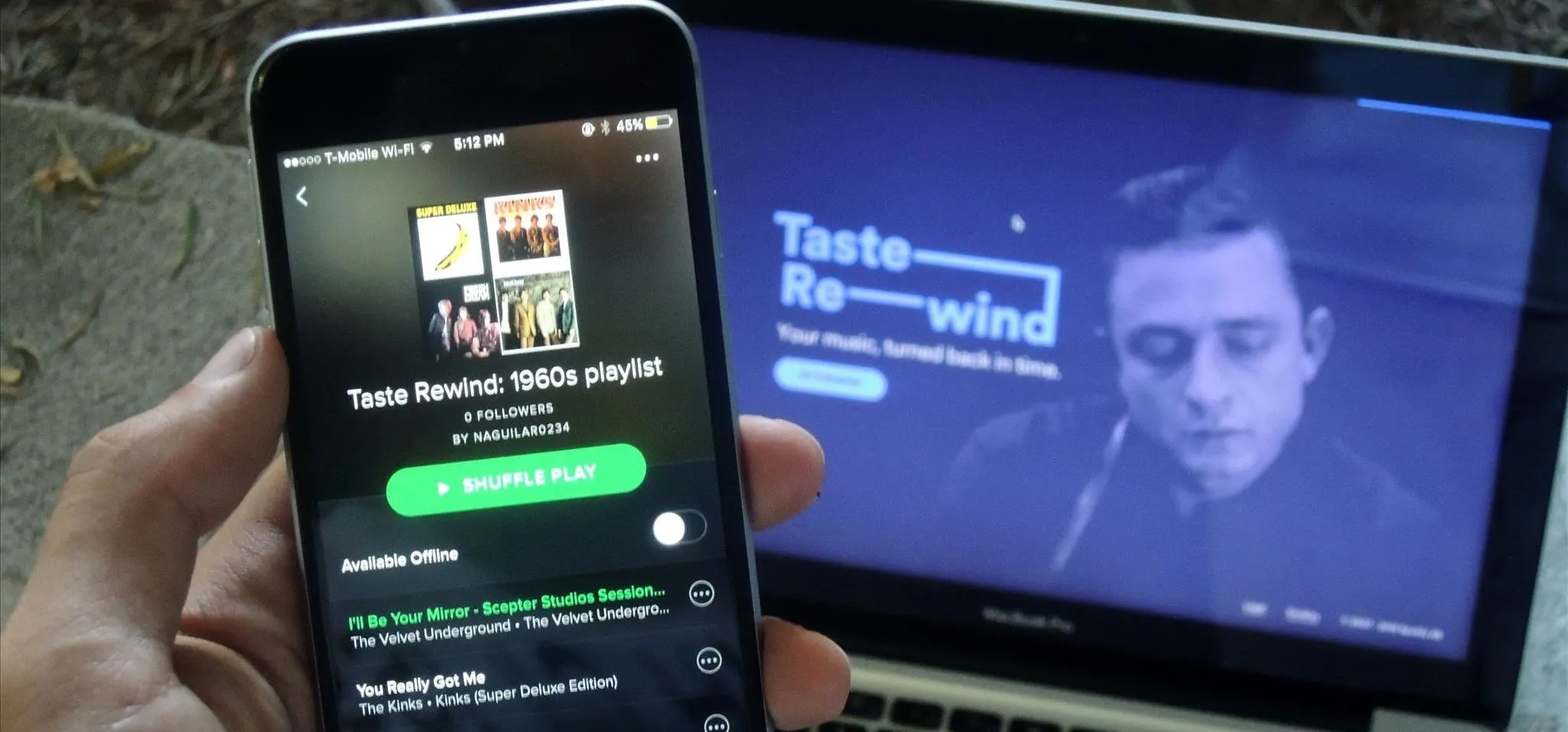
The music streaming landscape has undergone a seismic shift, and one platform now stands at the absolute center of the industry's financial ecosystem. Spotify distributed over $11 billion in royalties to the music industry in 2024, according to the company, marking what Spotify says is the largest annual payment to music from any single retailer in history.
This massive payout now accounts for roughly 30% of the entire recording industry's revenue, as reported by Billboard. The platform's financial influence has grown substantially—while it represented less than 15% of global recorded music revenue in 2017, Spotify now commands approximately a quarter of that total.
This isn't just about impressive numbers—it's about understanding how streaming economics have created a sustainable middle class of musicians that couldn't exist in the CD era, how independent artists now command over half of platform royalties, and why 80% of million-dollar earners never hit the charts. Whether you're a creator, investor, or music fan, Spotify's dominance has become impossible to ignore.
How Spotify became the industry's financial powerhouse
The streaming giant's financial trajectory tells a remarkable growth story. Over the past decade, Spotify's annual royalty payments have multiplied tenfold—jumping from approximately $1 billion in 2014 to over $10 billion in 2024, according to Spotify's Loud & Clear report. This explosive growth didn't just ride the wave of industry recovery—it created the wave. The platform's expansion turned streaming from a supplementary revenue source into the primary engine driving music industry revenue to more than double during this same period.
To understand the magnitude of this transformation, rewind to 2014. The music industry was scraping bottom at around $13 billion in global recorded music revenues—down from a $38 billion peak in 1999. Physical sales had collapsed, piracy was rampant, and the iTunes download model was already showing cracks. Spotify's annual contribution stood at roughly $1 billion at the time, with around 15 million paying subscribers. Industry veterans were skeptical that streaming could ever replace the revenue that physical sales once generated. Fast forward to today, and there are well over 500 million paying listeners across all music streaming services—a staggering transformation that's fundamentally restructured industry economics.
The momentum shows no signs of slowing. Spotify's payouts grew by more than 10% year-over-year, significantly outpacing other industry income sources that grew closer to 4%. What makes this growth particularly significant is its consistency and predictability. The platform operates on a model where it pays out nearly 70% of all music revenue it takes in back to the industry, creating a direct correlation between Spotify's growth and industry payouts.
This subscription-based revenue model has introduced unprecedented financial stability to an industry that historically struggled with wildly unpredictable income streams—where a hit album might generate millions one quarter and nothing the next. Cash flows from music royalties have become notably predictable due to streaming proliferation, transforming music into what investors increasingly view as a utility-like expense in households. This predictability has opened entirely new financing opportunities for artists and catalogs that simply weren't possible when revenue depended on the hit-or-miss cycle of album releases and radio play.
The platform's accumulated impact is staggering. As of the end of 2024, Spotify's all-time payouts to the music industry total nearly $60 billion—a number that represents not just impressive accounting, but a complete restructuring of where music revenue originates and how it flows through the ecosystem.
The independent artist revolution nobody saw coming
Here's where things get really interesting: independent artists and labels aren't just participating in Spotify's growth—they're driving it. For the second consecutive year, indie artists and labels collectively accounted for more than half of all Spotify royalties, generating over $5 billion in 2024. This shift has fractured the major labels' traditional A&R monopoly—artists can now build sustainable careers by directly cultivating niche audiences across borders, without ever signing away their masters or publishing rights.
Even more striking, Spotify represents over 50% of independent artists' streaming revenue, despite accounting for only about one-third of overall recorded streaming revenue globally. This disparity reveals Spotify's role as the great equalizer: without major label promotional budgets or multi-platform distribution deals, independent artists lean heavily on Spotify's algorithmic discovery and playlist placement to reach listeners they could never access through traditional channels. For indie musicians, Spotify isn't just one platform among many—it's often the platform that makes or breaks their ability to reach sustainable income.
The democratization effect goes beyond simple revenue distribution. More artists are now generating over $100,000 per year from Spotify alone than were getting stocked on record store shelves during the peak CD era, fundamentally changing what's possible for musicians outside the traditional label system. Think about that for a moment—we've gone from a world where physical shelf space at Tower Records was the ultimate gatekeeper (with maybe 30,000 titles in stock at peak) to one where algorithmic playlists and direct audience relationships can build six-figure incomes for artists who've never met a label executive.
The numbers back this up across the board. The number of artists generating royalties at every threshold has at least tripled since 2017. This isn't just about the superstars getting richer while everyone else fights for scraps; it's about a massive expansion of the music middle class—artists earning enough to justify professional investment in their craft without needing day jobs or trust funds.
Let's break down what this means in practical terms. In 2024, nearly 1,500 artists generated over $1 million in royalties from Spotify alone—likely translating to over $4 million across all recorded revenue sources. What's remarkable is that 80% of these million-dollar earners didn't have a single song reach the Spotify Global Daily Top 50 chart. This reveals a fundamental shift from hit-driven success to sustainable catalog-based income, where consistent engagement from devoted audiences matters more than viral moments or radio dominance.
If you're an emerging artist, focus on building a consistent catalog rather than chasing viral hits. The data shows 80% of million-dollar earners never hit the Global Top 50—sustainable success comes from devoted audiences discovering your deep catalog, not fleeting fame from a single track. Release regularly, engage authentically, and let algorithmic discovery work over time.
The long tail is getting longer (and more profitable)
The wealth distribution across Spotify's artist ecosystem reveals something fascinating about how streaming economics actually work. Consider this: the 100,000th-ranked artist on Spotify saw their generated royalties multiply by over 10x—increasing from well under $600 in 2014 to almost $6,000 in 2024. Meanwhile, the 10,000th-ranked artist experienced royalties increasing almost 4x—from $34,000 to $131,000 during the same period.
What these figures reveal is the viability of ultra-niche markets that physical distribution could never serve profitably. Artists in genres like lo-fi hip-hop for studying, ambient music for meditation, regional folk traditions, or hyper-specific metal subgenres are building five-figure incomes from globally dispersed audiences that might total only 50,000 dedicated listeners. In the CD era, pressing, distributing, and promoting physical albums for such small audiences was economically impossible. Today, an artist making downtempo electronica for yoga studios can build a sustainable income from listeners scattered across forty countries—each finding the music through algorithmic recommendations or curated playlists.
For the first time ever in 2024, an artist receiving one in every million streams on Spotify generated over $10,000 on average. This milestone represents a meaningful threshold—in many markets, $10,000 annually from Spotify alone, combined with YouTube, Apple Music, and other platforms, approaches livable part-time income. It's the difference between music as an expensive hobby requiring subsidy from day jobs and music as a viable supplementary income source that can justify serious career investment in equipment, marketing, and skill development. Today, over 100,000 artists are generating thousands in royalties on Spotify alone, creating a massive middle class of musicians that simply didn't exist in the pre-streaming era.
The publishing side of the equation is growing even faster. Spotify's 2024 publishing payouts saw double-digit percentage growth compared to 2023, with nearly $4.5 billion paid out to publishing rights holders over the last two years. This matters because publishing royalties often represent a more direct path to songwriter compensation, bypassing some of the complex label agreements that can dilute recording royalties. For artists who write their own material—particularly the independent musicians discussed earlier—this dual revenue stream is becoming increasingly significant. While major label artists often split publishing with professional songwriters and production teams, indie artists who self-write capture both the recording and publishing royalties, effectively doubling their per-stream earnings compared to artists who only perform songs written by others.
What this means for the future of music economics
Bottom line: we're witnessing a fundamental restructuring of music industry economics, and Spotify sits at the center of this transformation. The platform's dominance—now representing roughly one-third of all recorded music revenue—creates opportunities for data-driven artist development and global discovery, but also introduces dependencies that concern some industry observers. If Spotify's algorithm changes significantly or payout models shift, thousands of artist careers built primarily on this platform could face disruption overnight. Understanding this dual reality is crucial for anyone participating in today's music ecosystem.
The investment community has taken notice of these dynamics, particularly how streaming's predictable cash flows create collateral value for the entire music ecosystem. Music has proven to be price inelastic, treated as a utility-like expense that households are reluctant to cut, which bodes well for continued subscription growth even during economic downturns. When artists have reliable streaming income, they can invest in touring, merchandise production, and content creation—multiple subsectors within music including live events, concerts, film collaborations, and merchandising continue to broaden the opportunity set, with streaming's predictable cash flows making music an increasingly attractive asset class. This virtuous cycle has caught the attention of private equity firms, pension funds, and institutional investors who increasingly view music catalogs as bond-like assets with inflation-protected returns.
The fact that streaming's impact is still in its early innings, especially in emerging markets, suggests significant runway for continued expansion as internet penetration and smartphone adoption increase across Africa, Southeast Asia, and Latin America. These regions represent billions of potential subscribers who could transform the economics yet again.
Here's the key takeaway: despite ongoing debates about per-stream rates and artist compensation—criticisms that aren't without merit given that individual stream payouts remain fractions of a cent—the reality is that this era contains more success stories and promise than at any point in music history. The numbers don't lie: more artists are earning meaningful income, independent musicians have unprecedented access to global audiences, and the overall revenue pie continues expanding at rates that seemed impossible during the industry's dark decade from 2000 to 2010.
Whether you're an artist, investor, or industry professional, diversification remains crucial. Spotify's dominance makes it essential, but relying on any single platform creates vulnerability. Smart artists build audiences across multiple platforms while using Spotify's data tools to understand listener demographics, then leverage that intelligence to develop touring strategies, merchandise offerings, and direct-to-fan relationships that aren't platform-dependent.
Whether you're a creator trying to build a sustainable music career, an investor evaluating music catalogs as an asset class, or simply a music fan curious about where your subscription dollars go, understanding Spotify's outsized role in this ecosystem isn't optional anymore—it's essential for navigating where music is heading next.





Comments
Be the first, drop a comment!