



The streaming hardware landscape just got a little more interesting with some behind-the-scenes revelations from Sonos. The company's CEO recently opened up about a significant strategic decision that could have reshaped how we think about premium streaming devices and the competitive dynamics with Apple's ecosystem.
This isn't just another "what if" story about canceled tech products. It's a window into the complex calculations that drive major hardware decisions in today's streaming market, where software ecosystems, licensing agreements, and platform dependencies can make or break even the most promising devices before they reach consumers.
What makes this particularly revealing is how it exposes the invisible barriers that even established companies face when trying to expand into adjacent markets. Sonos had the technical expertise, brand recognition, and manufacturing capabilities to build a compelling streaming device – yet they still walked away from what could have been a direct challenge to Apple's dominance.
The strategic pivot that changed everything
The decision to cancel what could have been a direct Apple TV 4K competitor reveals the intricate balance between hardware ambitions and platform realities. Sonos found themselves navigating the challenging waters of streaming device economics, where success depends on far more than just superior hardware specifications.
Here's what you need to know about this pivot: it wasn't about technical limitations or hardware costs. The real challenge emerged from the certification maze that every streaming device manufacturer must navigate. Each major platform – Netflix, Disney+, HBO Max, Amazon Prime Video – requires separate technical certifications, specific security implementations, and ongoing compliance monitoring.
Unlike their wireless audio systems where Sonos controls the primary software experience, a streaming device would have made them dependent on dozens of third-party platforms for core functionality. When Netflix updates their streaming protocol or Disney+ changes their security requirements, Sonos would need dedicated engineering teams ready to respond within days, not weeks.
The timing of this decision coincides with broader industry shifts toward increasingly moving toward platform consolidation and the growing importance of software ecosystems over pure hardware capabilities. Major streaming platforms have become increasingly selective about their partnerships and integration levels, creating new barriers for hardware manufacturers trying to enter this competitive space.
What's particularly telling is how this reflects the maturation of the streaming market. The hardware has largely commoditized – faster processors and sleeker designs no longer guarantee success when the real battle is fought on platform relationships and ecosystem integration.
Platform dependencies and the ecosystem challenge
The modern streaming device market operates under fundamentally different rules than traditional consumer electronics. Success requires not just hardware excellence, but deep integration with multiple streaming services, each with their own technical requirements and business relationships.
Consider the certification burden alone: Sonos would need separate approvals from Netflix (requiring specific DRM implementations), Disney+ (demanding particular security protocols), Apple TV+ (with its own integration standards), and dozens of other services. Each certification process can take months and requires ongoing maintenance as platforms evolve their technical requirements.
This creates the fundamental chicken-and-egg problem that likely deterred Sonos: streaming services prioritize full feature support for platforms with existing market share, but consumers expect complete functionality from day one. A new Sonos streaming device might launch with limited app availability or missing features, immediately putting it at a competitive disadvantage against established players.
PRO TIP: This is why you sometimes see streaming devices launch with missing apps or limited features – it's not always a technical issue, but often a business relationship challenge that takes time to resolve.
The software maintenance burden extends far beyond initial development. Streaming protocols evolve constantly, new security standards emerge regularly, and each platform update requires compatibility testing across the entire device ecosystem. For a company like Sonos, this would mean maintaining dedicated teams for ongoing platform relationships – a significant departure from their current business model.
Unlike audio devices where Sonos controls the core software experience, streaming video hardware success depends entirely on external platform relationships that can shift without notice.
Market realities and the path forward
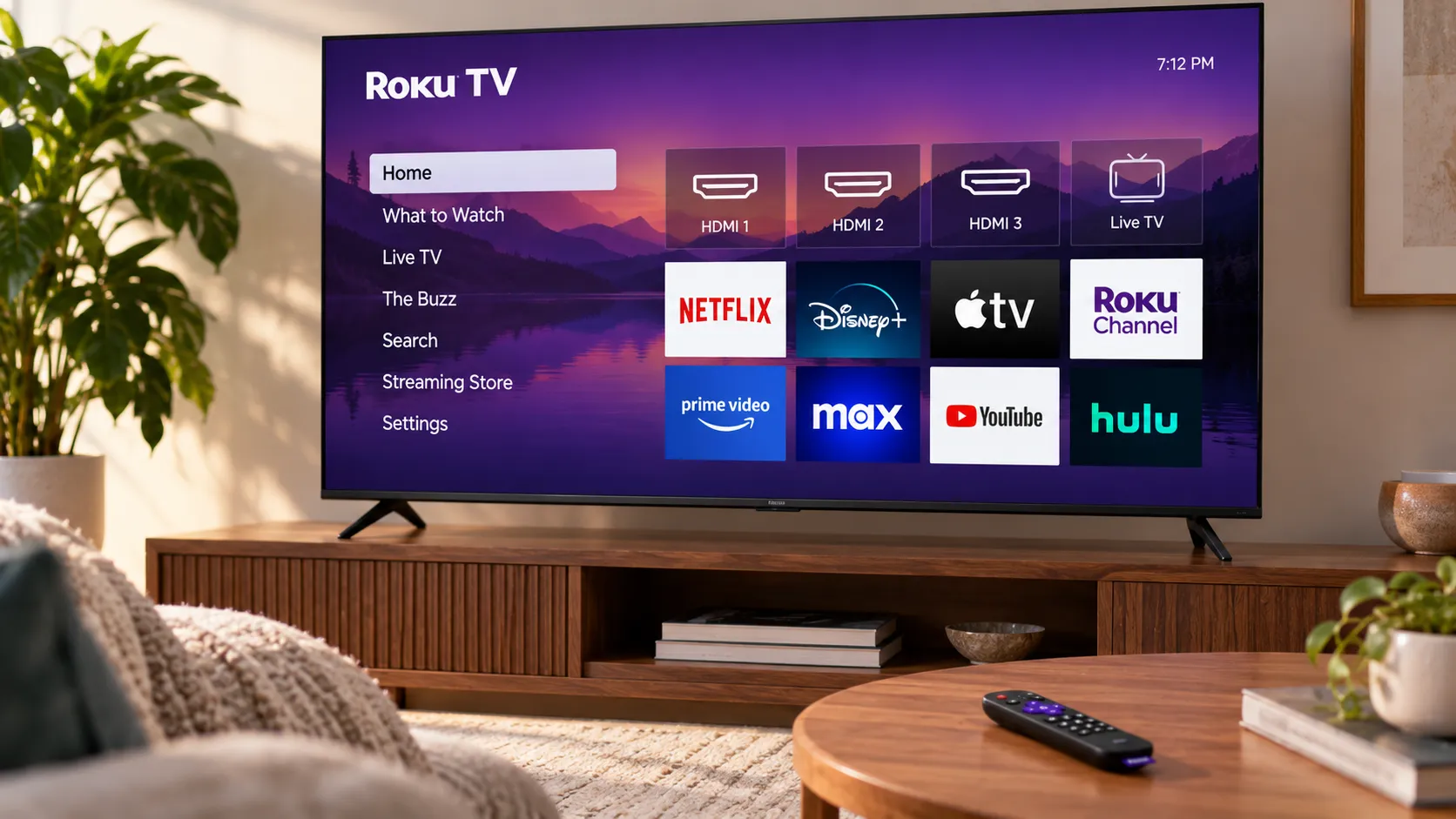
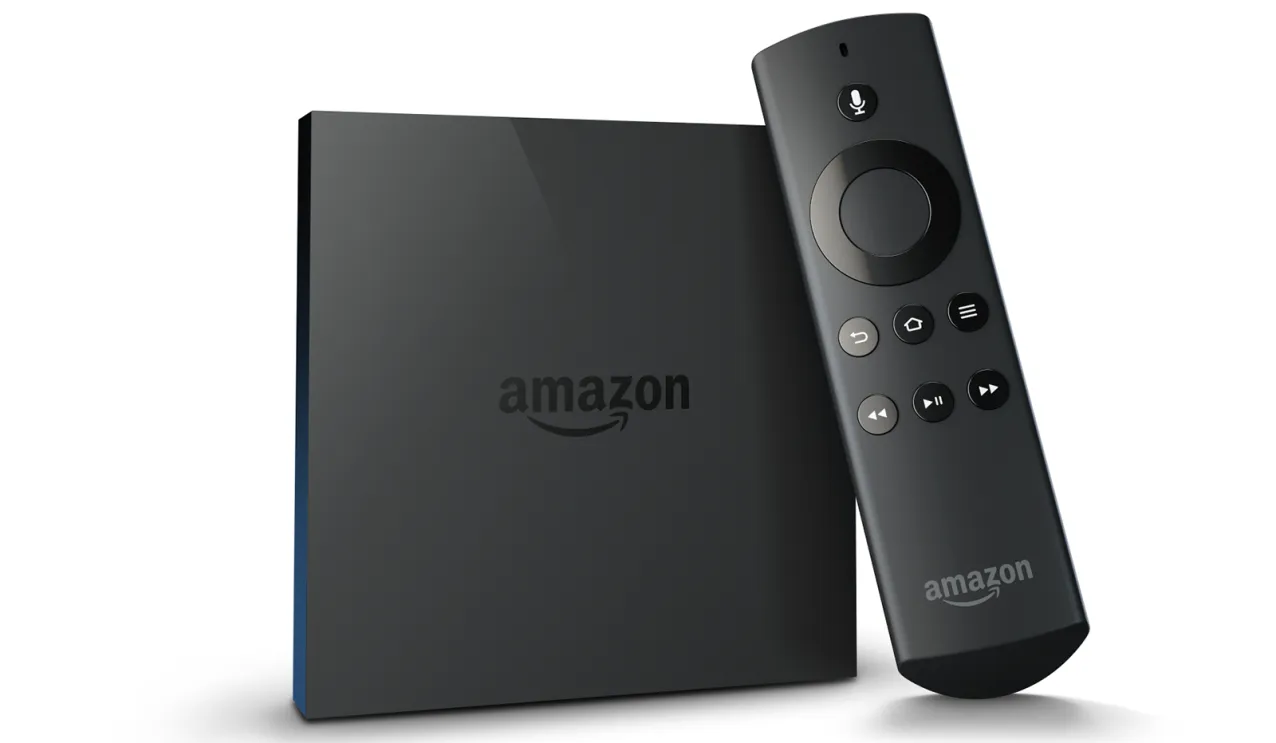
The canceled Apple TV competitor story highlights how market dynamics have evolved to favor companies with existing platform relationships and content partnerships. The current landscape is dominated by players with distinct advantages: Apple has its services integration, Amazon leverages Prime Video and Alexa, Google controls YouTube and Android TV, while Roku has built its entire business around platform neutrality.
Breaking into this established ecosystem would require Sonos to compete not just on hardware, but on content partnerships, platform relationships, and software development capabilities – areas far removed from their audio expertise strengths.
What's strategically smart about Sonos's decision is recognizing that their core strengths lie in audio excellence and multi-room integration, areas where they maintain clear competitive advantages. Rather than diluting resources across multiple product categories, they can focus on deeper integration with existing streaming ecosystems.
This approach allows Sonos to participate in the streaming revolution without facing the platform dependency challenges that have derailed other hardware manufacturers. They become part of the streaming ecosystem rather than trying to compete against it – working with Apple TV, Roku, and other platforms rather than displacing them.
The streaming hardware market continues consolidating around major players, each with ecosystem advantages that create increasingly high barriers for new entrants, regardless of their technical capabilities or brand recognition in adjacent markets.
What this means for the streaming landscape
This strategic retreat by Sonos signals broader trends in the streaming hardware market, where platform relationships and software ecosystems increasingly trump hardware innovation. The decision demonstrates why so many promising streaming devices never reach market despite apparent technical feasibility.
The key takeaway is that we're witnessing the streaming market's evolution from hardware-centric competition to ecosystem-based differentiation. Success now depends more on platform partnerships and content relationships than on building superior processors or more elegant remote controls.
For consumers, this consolidation trend means fewer disruptive hardware innovations but potentially more reliable, better-integrated streaming experiences within established ecosystems. The trade-off between innovation and stability is tilting toward stability as platforms mature and standardize.
Sonos's decision illustrates a broader strategic discipline emerging across the tech industry: recognizing core competencies and avoiding the temptation to expand into adjacent markets that require fundamentally different business models. Rather than chase market opportunities that would compromise their audio leadership, they're choosing specialization over diversification.
Understanding these behind-the-scenes strategic calculations helps explain why the current streaming hardware landscape looks the way it does – and suggests that future innovation will likely come from deeper platform integration rather than new hardware entrants challenging established players.







Comments
Be the first, drop a comment!