



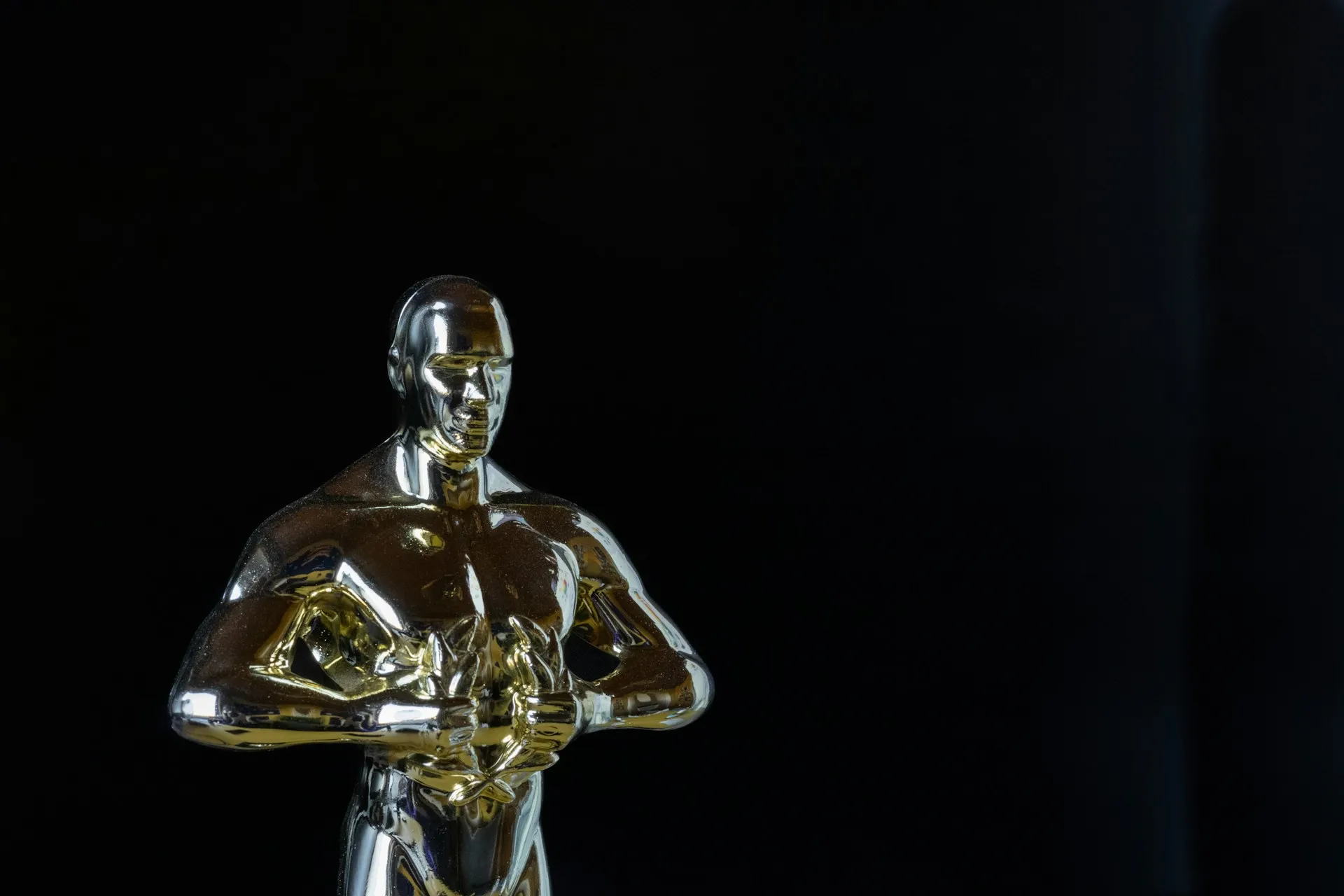
The entertainment industry just witnessed a seismic shift that nobody saw coming. Hollywood's most prestigious night is about to get a complete digital makeover, and it's happening sooner than you might think. The Academy Awards ceremony is departing from traditional broadcast television and heading straight to YouTube, with this groundbreaking partnership launching at the 101st Oscars ceremony in 2029 and continuing through 2033, according to IndieWire.
This move represents something truly unprecedented in awards show history, since very few major ceremonies have chosen YouTube as their primary broadcasting platform. Let's break down what this means for the future of entertainment distribution and why this decision could reshape how we consume premium content.
Why YouTube makes perfect sense for the Academy
Here's what you need to know: YouTube currently holds the crown as the streaming service with the most viewership, according to Nielsen data. This positioning gives the Academy access to an enormous global audience that traditional broadcast television simply can't match anymore. The Academy's exclusive negotiating period with ABC concluded this spring, according to Deadline, opening the door for this revolutionary partnership.
What's particularly compelling is how this aligns with changing viewer habits. The Academy recognizes that staying relevant means connecting with audiences where they actually spend their time, CNET observes. This shift acknowledges that entertainment distribution is no longer dependent on traditional movie theaters or legacy television networks.
The platform has evolved far beyond its amateur content origins into a legitimate destination for premium entertainment. The Academy is smart to recognize this reality and position itself at the forefront of this transformation.
What this means for global accessibility
The YouTube partnership brings some game-changing features that traditional broadcast never offered. The deal encompasses comprehensive coverage, including red carpet events, exclusive behind-the-scenes content, and Governors Ball access, all available live and completely free on the platform, IndieWire reports. This represents a massive expansion from the limited coverage viewers typically received through traditional broadcasting.
Now here's where things get really interesting for international audiences. YouTube's platform will provide closed captioning and audio tracks in multiple languages, making the ceremony accessible to the Academy's worldwide audience, according to IndieWire. This multilingual approach removes barriers that have historically limited international viewership—particularly in regions where English isn't the primary language or where traditional broadcast coverage was limited or non-existent.
The partnership extends beyond just the main ceremony to create an integrated entertainment ecosystem. Film enthusiasts worldwide will gain access to other Academy events and programs through the dedicated Oscars YouTube channel, while the Academy Museum will collaborate with Google Arts & Culture to provide digital access to select exhibitions and programs, IndieWire notes.
The bigger picture for entertainment distribution
This isn't just about one awards show changing platforms—it's about recognizing where the entertainment industry is heading. The Oscars maintain their status as the ultimate achievement for creative professionals, with nominations and wins continuing to transform careers instantly, CNET explains. The ceremony serves as a global showcase for cinematic artistry, maintaining its significance despite declining traditional television ratings and box office numbers.
Industry experts suggest the Academy could adopt a strategy similar to professional sports leagues like the NFL, potentially distributing rights across multiple platforms rather than relying on a single broadcaster, CNET reports. This could mean we'll see other major entertainment awards—like the Emmy Awards or Golden Globes—following suit within the next few years, creating a domino effect across Hollywood's award season calendar.
However, advertising considerations remain crucial to this transition. The traditional awards show ecosystem depends heavily on established advertising revenue streams, according to CNET. YouTube's ability to successfully adapt its advertising model for this premium content will likely determine whether streaming platforms become the new home for major live entertainment events across the board.
What this means for cord-cutters and streaming fans
Bottom line: this partnership represents everything cord-cutters have been waiting for. The Academy's decision validates what many of us already knew—traditional broadcasting is giving way to more flexible, accessible streaming options. The fact that this content will be completely free removes the subscription barriers that often limit access to premium entertainment.
For tech enthusiasts, this move demonstrates how major institutions are finally catching up with digital consumption patterns. The integration with Google Arts & Culture shows how streaming partnerships can extend beyond simple content delivery to create comprehensive digital experiences, IndieWire notes.
With YouTube's mobile-first approach, you'll be able to catch Hollywood's biggest night from virtually anywhere with an internet connection—no more scrambling to find cable access or missing the ceremony due to scheduling conflicts with traditional broadcast timing.
This shift could accelerate similar moves across the entertainment industry. When one of Hollywood's most prestigious events makes the jump to streaming-first distribution, it sends a clear signal about where the industry is headed. We're likely looking at the beginning of a new era where premium content finds its home on platforms that prioritize accessibility, global reach, and viewer convenience over traditional broadcasting constraints.
The key takeaway is that 2029 might mark the moment when streaming platforms truly overtake traditional television as the destination for must-see live events. For viewers who've been waiting for entertainment to catch up with how we actually consume content today, it's about time.

Comments
Be the first, drop a comment!