





The world of cloud gaming has been steadily evolving, but let's be honest—peripheral support has always been the Achilles' heel for serious gamers. You know what I mean if you've ever tried to use your expensive flight stick or racing wheel with a streaming service, only to find yourself stuck with basic gamepad controls. Well, that frustration just got a major solution.
NVIDIA's GeForce Now has rolled out comprehensive flight controller support, and this isn't just another incremental update. We're talking about full compatibility with industry-standard equipment including Thrustmaster and Logitech setups, complete HOTAS configurations, and everything virtual pilots have been dreaming about, according to NVIDIA's official blog. This development represents part of NVIDIA's broader accessibility strategy, strategically expanding the platform across multiple fronts. NVIDIA has launched officially supported GeForce Now client packages for Ubuntu, Fedora, and Arch Linux, finally putting those unofficial wrappers to rest. And here's the kicker—the service now reaches millions of living-room devices through new Fire TV support, essentially turning any regular TV into a high-performance gaming rig.
What makes specialized controller support such a game-changer?
Here's the thing about specialized controllers—they're not just fancy accessories for enthusiasts. They represent the difference between playing a flight simulator and actually feeling like you're piloting an aircraft. The addition of flight controller compatibility to GeForce Now isn't just checking another feature box; it's fundamentally changing what cloud gaming can deliver to people who take their simulations seriously.
Virtual pilots can now connect their preferred hardware setups and experience titles like Microsoft Flight Simulator 2024 with the same precision they'd expect from local installations, as TechPowerUp reports. The technical requirement is straightforward—your client device needs to recognize the controller, and GeForce Now takes care of the rest by seamlessly integrating it into the streaming experience.
This peripheral expansion strategy matters because it signals cloud gaming's evolution from casual entertainment to serious simulation platform. NVIDIA announcing compatibility for exotic controller types including racing wheels and newer simulator hardware demonstrates their commitment to capturing enthusiast markets that other platforms have largely ignored. Racing enthusiasts are particularly well-served here, as native support for Logitech G29 and G920 racing wheels delivers the lowest-latency, most responsive driving experiences across the service's selection of sim racing titles.
Think about what this means in practical terms. You've invested hundreds (maybe thousands) of dollars in specialized gaming hardware, and now you can actually use it without being tied to a specific gaming PC. More importantly, this controller precision directly translates to simulation accuracy—the difference between feeling turbulence through your flight stick versus watching it happen on screen, or sensing tire grip through force feedback versus guessing at traction limits.
How does cloud-based simulation gaming actually work?
The technical implementation behind GeForce Now's controller support reveals exactly why this development matters so much for serious simulation gaming. When you connect specialized hardware, the system processes your inputs through NVIDIA's cloud infrastructure while delivering RTX 5080-class performance with high frame rates and advanced graphics features. No more worrying about downloads, patches, or whether your local hardware can handle the latest updates.
This processing approach enables the high-performance metrics that make specialized controllers worthwhile in the first place. What's particularly impressive is how it removes the computational burden from your local device entirely. The processing power comes entirely from NVIDIA's servers, which means even modest hardware can deliver premium simulation experiences. We're talking about scenarios where a basic laptop can run Microsoft Flight Simulator 2024 at settings that would bring most gaming PCs to their knees.
The platform's performance capabilities directly support the specialized controller experience. GeForce NOW can deliver 1080p@360fps and 1440p@240fps on RTX-5080-class cloud servers for supported titles (availability subject to Ultimate membership, region, and per-title support) for competitive titles, utilizing NVIDIA Reflex technology to achieve sub-30ms response times. Now, I'll be honest—when cloud gaming first emerged, latency was the elephant in the room. But these response times are genuinely competitive with local gaming setups, which is crucial when you're making precise control inputs through expensive flight sticks or feeling road feedback through racing wheels.
Where does GeForce Now fit in the broader streaming landscape?
To understand why GeForce Now's controller support matters, you need to examine how platform capabilities directly impact specialized peripheral compatibility. The technical approaches vary significantly between services, and these differences determine what's possible with your expensive hardware investments.
GeForce Now and Stadia both use the RTP protocol for multimedia streaming, but their implementation strategies create different peripheral possibilities. Stadia relies on standard WebRTC APIs for session establishment and streaming, which provides stability but limits flexibility for unusual input devices. Academic analyses have documented that GeForce NOW streams use RTP while Stadia used WebRTC; avoid the phrasing 'without standard session establishment protocols' and instead cite the academic source, giving them the flexibility needed to handle everything from complex HOTAS setups to force feedback racing wheels.
PlayStation Now takes a completely different approach that reveals the bandwidth limitations facing specialized controllers. PlayStation Now employs a fully-custom streaming approach and never exceeds 13 Mbit/s bandwidth consumption, which creates real problems for simulation gaming. When you're flying through detailed weather systems in Microsoft Flight Simulator or racing on tracks with complex lighting, that bandwidth constraint means you're not getting the visual information needed to make the precise inputs that specialized controllers enable.
GeForce Now's technical foundation allows for much higher bandwidth utilization when the content demands it. This flexibility becomes critical in scenarios like landing approaches in variable weather conditions, where you need to see runway details clearly enough to make precise throttle and control surface adjustments, or racing scenarios where spotting braking points and track surface changes determines your lap times.
What does this mean for the future of simulation gaming?
The introduction of comprehensive controller support signals something bigger than just feature parity—it represents a maturation of cloud gaming that could reshape how hardware manufacturers approach the enthusiast market. Think about it: if specialized controllers work seamlessly with cloud platforms, suddenly the barrier to entry for expensive simulation gaming drops dramatically.
NVIDIA's partnership with Microsoft demonstrates this accessibility shift in concrete terms. They're giving away 10 copies of Microsoft Flight Simulator Ultimate Edition complete with 2025 scenery updates, global airports pack, and premium aircraft specifically to showcase the platform's capabilities. This isn't just marketing—it's a statement that cloud gaming can now deliver experiences that previously required significant hardware investments.
The expansion to Linux platforms creates opportunities that extend beyond just adding another client option. With support for Ubuntu 22.04 LTS, Fedora 39, and Arch Rolling, simulation enthusiasts who prefer Linux systems can finally access these experiences without the usual compatibility headaches. This could influence other peripheral manufacturers to improve Linux driver support, knowing there's now a viable gaming platform that Linux users can actually access.
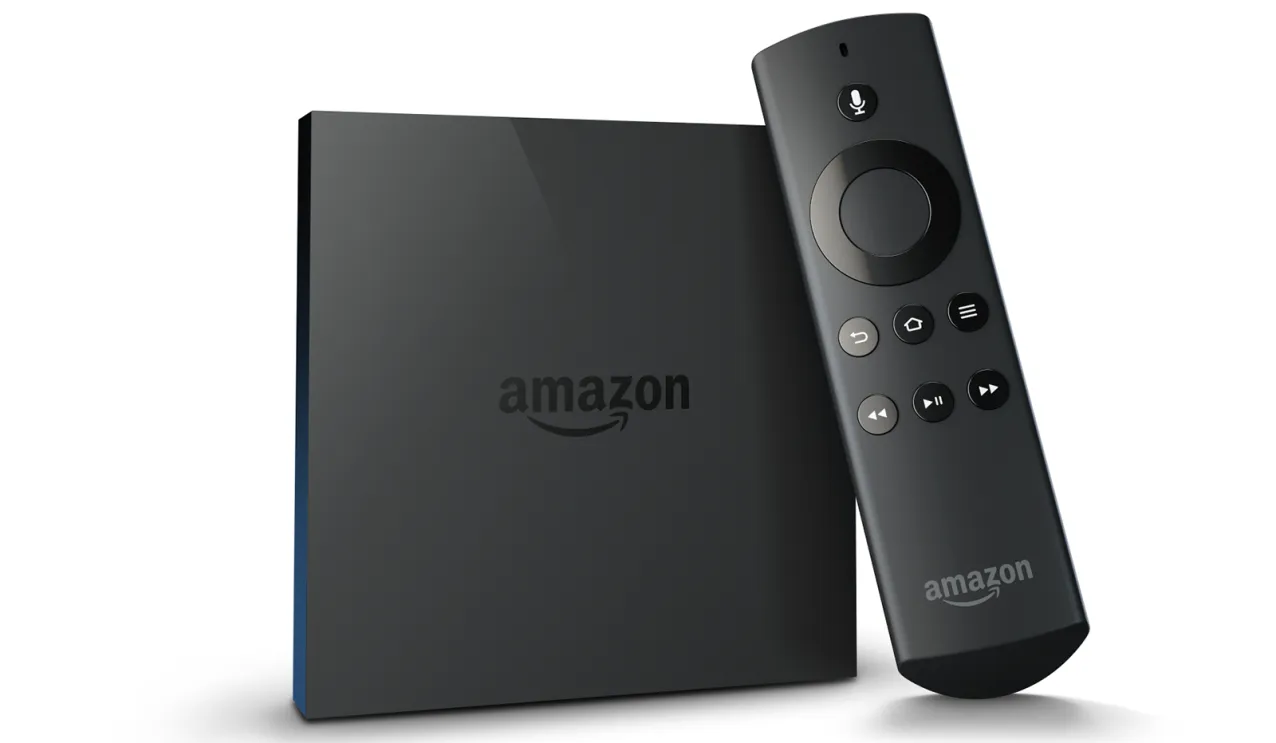
Fire TV integration adds yet another dimension to this accessibility story. The dedicated client a dedicated GeForce NOW app appears in the Amazon Appstore for Fire TV devices (NVIDIA lists Fire TV 4K Max among supported devices), which makes high-end simulation gaming accessible through living room setups that would have been impossible with traditional gaming hardware requirements. Imagine this scenario: You've got a nice TV in your living room, a Fire TV device, and your flight stick setup nearby. Previously, you'd need a powerful gaming PC nearby to make any of this work for serious simulation. Now? The Fire TV handles the streaming, your controllers provide the input, and NVIDIA's servers handle all the heavy lifting.
PRO TIP: This development could signal the end of the traditional "gaming PC upgrade cycle" for simulation enthusiasts. Instead of upgrading your local hardware every few years to keep up with demanding simulation titles, you're essentially renting access to cutting-edge hardware that's always up-to-date.
Ready to take flight in the cloud?
GeForce Now's controller support represents more than just a feature addition—it's a fundamental shift toward making specialized gaming experiences truly accessible regardless of your hardware situation. Whether you're a flight simulation enthusiast with expensive HOTAS equipment or a racing fan with professional-grade wheels, the platform now delivers the precision and responsiveness that these experiences demand.
The combination of expanded device support, native Linux clients, and Fire TV integration creates an ecosystem where serious simulation gaming is no longer tied to expensive local hardware investments. What's particularly exciting about this development is how it opens these immersive experiences to a much broader audience. Someone interested in flight simulation doesn't need to make a massive upfront investment in both hardware and software—they can start with GeForce Now, see if they enjoy the experience, and then decide whether to invest in specialized controllers.
This approach could fundamentally change how people discover and engage with simulation gaming. The barrier to entry drops from thousands of dollars in hardware to the cost of a streaming subscription and controller, making these previously niche experiences accessible to curious newcomers while still delivering the precision that hardcore enthusiasts demand.
The bottom line is that cloud gaming has finally reached a point where it can deliver on the promises it's been making for years. With proper controller support, competitive latency, and broad device compatibility, GeForce Now is positioning itself as a legitimate platform for serious gaming—not just casual entertainment. The key takeaway is that we're witnessing the democratization of high-end simulation gaming, where your passion for flying or racing matters more than your ability to afford expensive local hardware.








Comments
Be the first, drop a comment!