



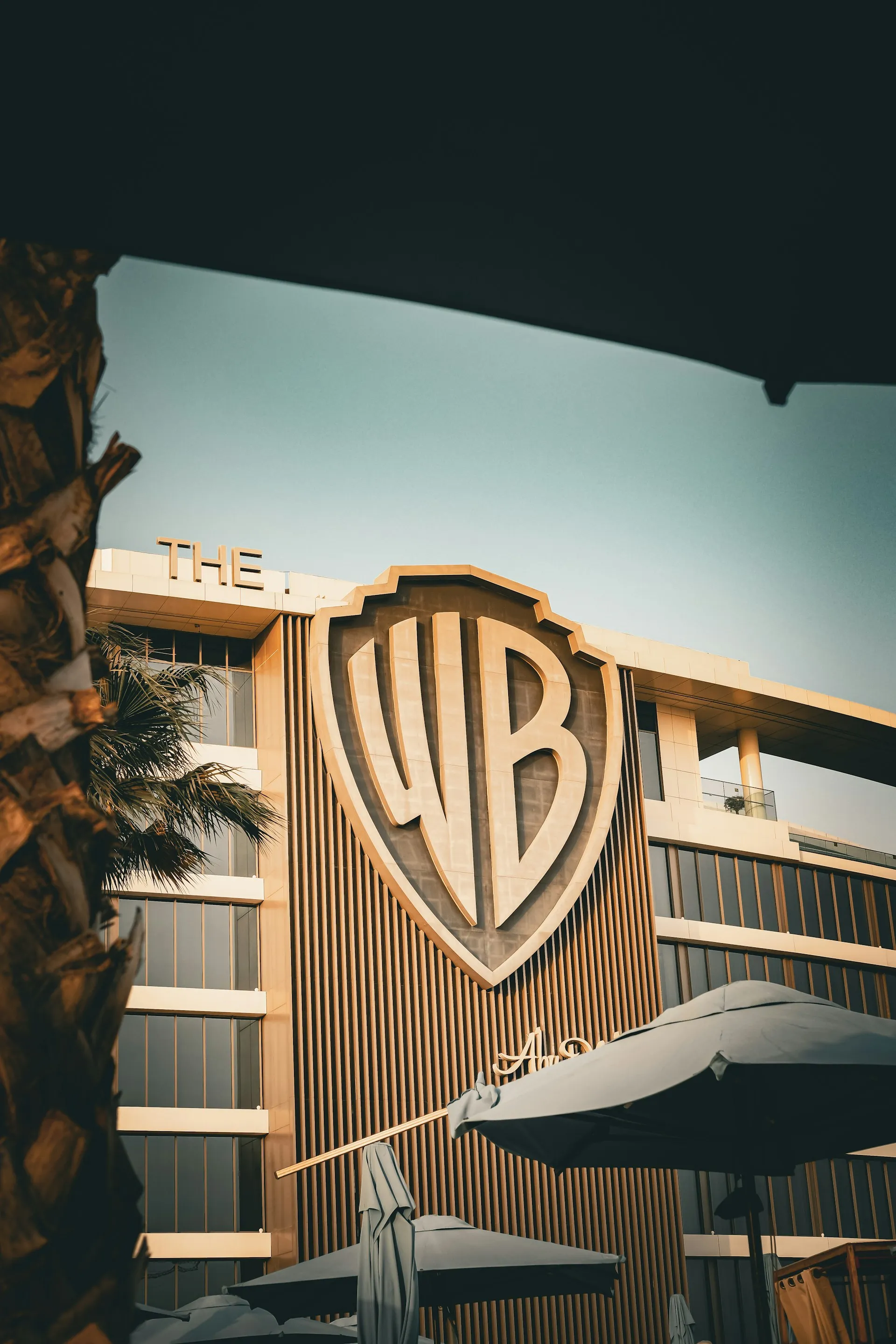
The Netflix-Warner Bros. Deal Will Transform Your TV Remote (And Everything Else About How You Watch)
Netflix's proposed $72 billion acquisition of Warner Bros.' studio and streaming assets represents more than a seismic shift in Hollywood power dynamics—it's a deal that could fundamentally reshape the technology underpinning how we watch television. According to Business Insider, the streaming giant would gain control of Warner's century-old vault of beloved content, from "Casablanca" to "Friends." The Los Angeles Times reports that this consolidation would push Netflix's subscriber base above 420 million, creating an entertainment juggernaut with unprecedented reach.
But beyond the content library implications, this deal raises fascinating questions about the future of smart TV interfaces, streaming platform integration, and even the humble remote control sitting on your couch. Having covered the evolution of smart TV ecosystems for years, I've watched platform power dynamics shift incrementally—but this deal represents an inflection point that could accelerate changes we've only begun to see.
How content consolidation drives platform integration changes
When one platform controls this much content, the entire smart TV ecosystem must adapt. Netflix's acquisition would bring iconic franchises like Harry Potter, the DC Universe, and "Game of Thrones" under one roof, as detailed by the Los Angeles Times. This concentration of high-value intellectual property creates leverage that extends far beyond content licensing—it influences how TV manufacturers design their operating systems, which apps receive prominent placement, and how viewers discover what to watch.
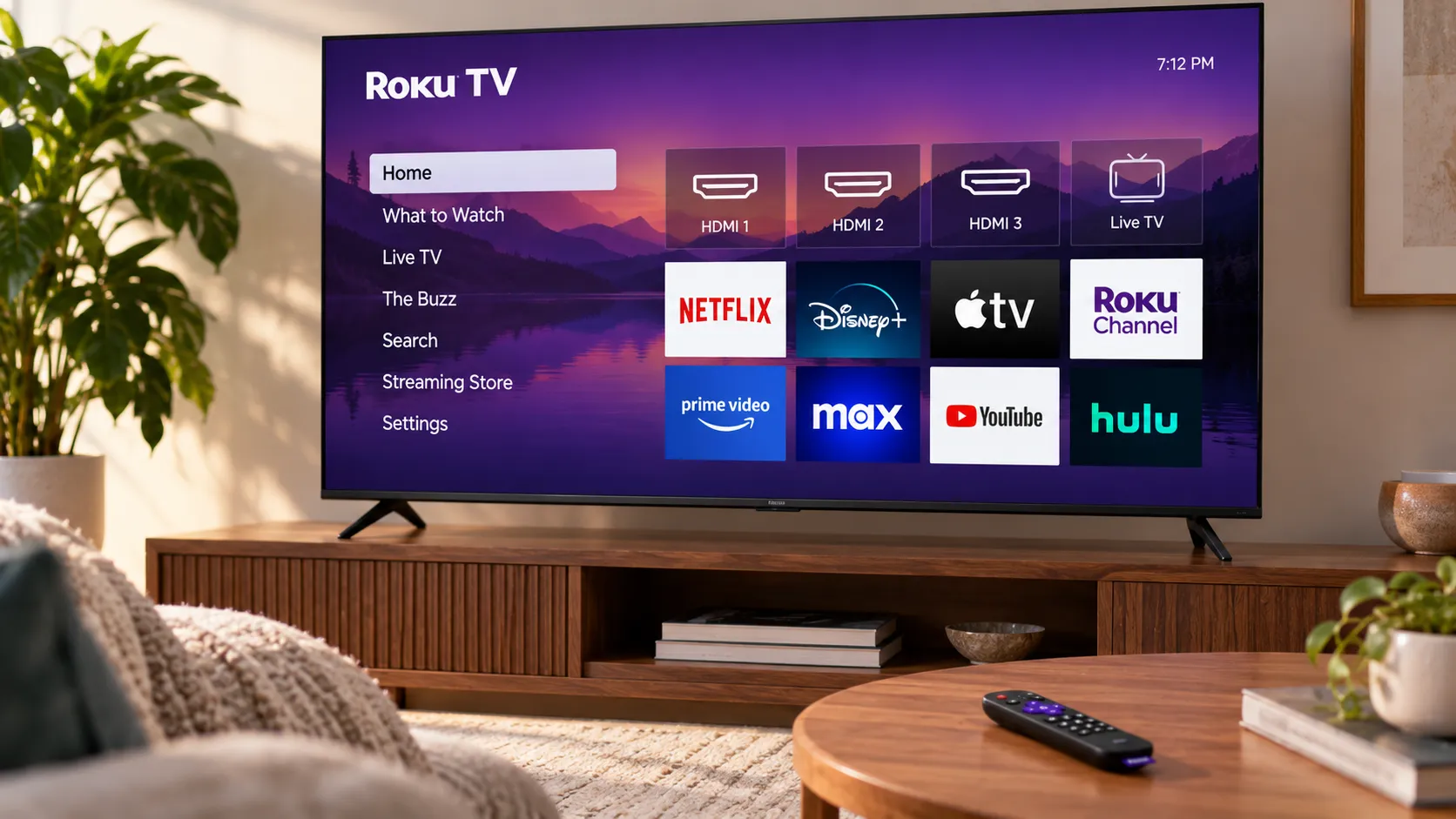
Think about it this way: if you're Samsung or LG building next year's TV lineup, and one platform suddenly controls not just its original shows but also Batman, Superman, "The Lord of the Rings," and basically every show your subscribers are desperate to watch, you're negotiating from a very different position than you were last year. This translates into concrete technical advantages: priority API access for faster app loading, prominent placement in voice search results, and potential integration directly into TV operating system navigation—not just as an app, but as a foundational layer of the interface itself. We're talking about the difference between Netflix being one app among many versus Netflix becoming embedded in the TV's core functionality, similar to how YouTube is baked into many smart TV platforms today.
The Warner Bros. catalog represents over a century of film and television history, according to Business Insider, including everything from "The Matrix" to "The Sopranos." Here's what makes this particularly powerful: research from the Los Angeles Times indicates Netflix would also acquire ongoing franchises with significant future potential, including the upcoming "Dune: Part Three" and multiple "Game of Thrones" spinoffs. This isn't a one-time content injection that will age out in a few years. This forward-looking content pipeline gives Netflix sustained negotiating power with TV manufacturers and platform operators for years to come. Every time a new "Harry Potter" series drops or another DC blockbuster hits the platform, that leverage compounds—creating an ever-growing incentive for manufacturers to prioritize Netflix integration in their hardware and software roadmaps.
The economics of remote control real estate
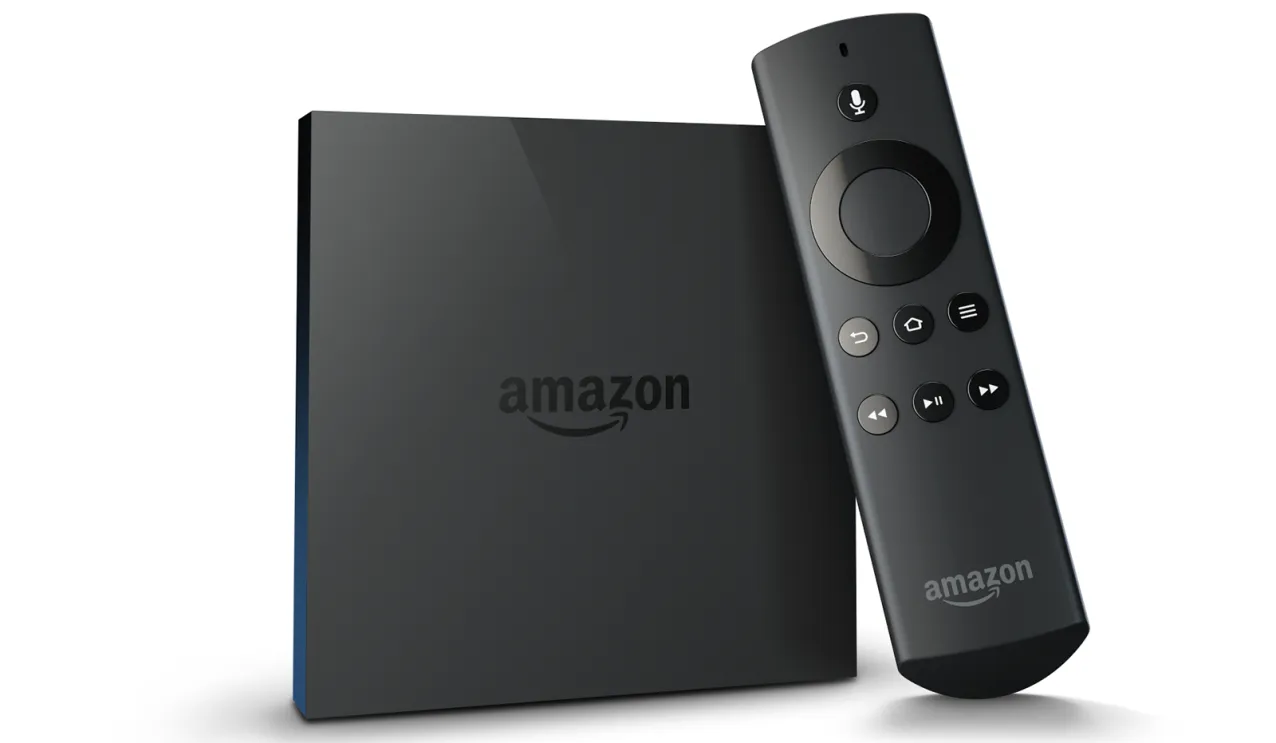
Here's something most viewers don't realize: those branded buttons on your TV remote aren't there by accident or consumer preference—they're paid advertising. Streaming services purchase these shortcut buttons through negotiated deals with manufacturers, according to research published in The Conversation. For platforms, these buttons provide constant branding and convenient access to their apps. For TV makers, they represent a lucrative additional revenue stream.
A comprehensive examination of 2022 smart TV remotes found that all major brands sold in Australia include dedicated buttons for Netflix and Prime Video, The Conversation reports. Most also feature Disney+ and YouTube shortcuts. The study revealed dramatic variation between manufacturers—Samsung opts for a minimalist monochrome design with four service buttons, while Hisense remotes pack in twelve colorful branded shortcuts for everything from Stan to NBA League Pass. This isn't just aesthetic preference playing out. It's business strategy made physical. Your remote control has become a tiny billboard that you paid for the privilege of holding.
But with Netflix's expanded content empire post-Warner Bros., the streaming giant's negotiating position for remote control placement becomes even stronger. The answer lies in negotiating dynamics. When Netflix can credibly point to its exclusive control over "Game of Thrones," the entire DC Universe, and the Harry Potter franchise in manufacturer partnership discussions, it gains leverage not just for its own button placement, but potentially for premium positioning—larger buttons, better ergonomic placement, or even exclusive features like custom button behaviors that competitors can't access. Smaller services and local broadcasters already struggle to compete for this prime real estate—according to The Conversation, none of the major TV brands include buttons for services like SBS On Demand, 7Plus, 9Now, or 10Play, despite some of these ranking among viewers' most-used apps. While exact pricing remains confidential, industry sources suggest premium button placement can cost services substantial annual fees per manufacturer—public broadcasters operating on taxpayer funding simply can't compete at that scale, and a Netflix with Warner Bros.' arsenal will make these economics even more prohibitive.
What universal search and discovery look like in a Netflix-dominated landscape
Remote control buttons are just the visible manifestation of a deeper battle: control over content discovery itself. The same leverage that secures button placement also influences how search algorithms prioritize results, which thumbnails appear in "recommended" rows, and whether cross-platform watchlists even include Netflix content.
Content aggregation and universal search have become critical battlegrounds in the streaming wars. When viewers can't easily find what they want to watch across multiple services, frustration builds—and the platform that solves this problem gains a significant competitive advantage. Netflix's Warner Bros. acquisition complicates this landscape in interesting ways. TV manufacturers and platform operators have been working toward universal watchlists and cross-platform search features that help viewers navigate the increasingly fragmented streaming ecosystem. The idea sounds great in theory: you search for "Game of Thrones," and your TV shows you where to watch it regardless of which app holds the rights. But a dominant Netflix might resist true universal search—why surface that "The Sopranos" is available when you own it exclusively? The incentive shifts from "help viewers find our content anywhere" to "keep viewers inside our ecosystem entirely."
The Conversation's research found that remote shortcuts are part of a larger battle for brand visibility in smart TV interfaces. Regulators in Europe and the United Kingdom have been investigating questionable business arrangements between manufacturers, platforms, and apps since 2019. European regulators specifically flagged concerns about search result manipulation and preferential ranking in on-screen menus—practices like giving certain apps priority in search results or featuring specific content more prominently in recommendation algorithms. The Australian government is developing frameworks to ensure local services can be easily found on smart TVs and streaming devices. But with Netflix controlling must-have franchises spanning generations of viewers, these practices become harder to regulate—manufacturers need Netflix more than Netflix needs any single manufacturer, fundamentally altering the power balance that existing regulatory frameworks were designed to address.
Platform fragmentation meets consolidation: the TV maker's dilemma
This power dynamic creates a prisoner's dilemma for TV manufacturers. Individually, each manufacturer might prefer a more neutral, user-controlled interface that treats all streaming services equally. But if Samsung offers Netflix premium placement and integration while Sony doesn't, Samsung gains a competitive advantage in retail—Netflix might even steer customers toward Samsung TVs through its own marketing channels or by highlighting "optimized for Netflix" features. This competitive pressure forces everyone toward the same Netflix-friendly approach, regardless of what might be best for consumers.
According to The Conversation, some manufacturers like LG allow limited customization of remote shortcuts, but the general trend has been toward increased branding and monetization of button placement. Survey respondents have raised questions about why they can't choose their own shortcuts—a reasonable ask that runs counter to the business model TV makers have built around selling this real estate. The remote in your hand is generating revenue for the TV manufacturer long after you bought the device, creating ongoing income that helps subsidize lower hardware prices.
Some manufacturers are attempting to maintain leverage through their own content platforms—Samsung TV Plus, LG Channels, Vizio WatchFree+. These free, ad-supported services offer manufacturers a degree of independence from streaming giants. But when Netflix controls not just its original programming but also beloved classics, major franchises, and prestige HBO content, as reported by the Los Angeles Times, these manufacturer-owned services can't compete with Netflix's premium content vault, making them weak negotiating chips at best. A platform that subscribers genuinely can't live without—and a Netflix that owns "Friends," "The Sopranos," the entire Harry Potter franchise, and "The Lord of the Rings" trilogy is approaching must-have status for millions of households—has more power to dictate terms on everything from interface placement to data sharing agreements.
Industry concerns about the acquisition extend beyond just interface politics. The Directors Guild of America stated the deal "raises significant concerns," according to the Los Angeles Times, while Cinema United warned of negative impacts on theatrical exhibition. These production and distribution concerns directly impact TV technology roadmaps. If Netflix shifts major releases away from traditional theatrical windows, it might push for TV manufacturers to optimize for streaming-first experiences—higher bitrate streaming support, better HDR implementation specifically for streaming content, or even hardware features that advantage streaming over broadcast television. The entire value chain of content distribution, right down to the technical specifications of the TV in your living room, could shift in response to Netflix's expanded theatrical distribution strategy.
Where streaming platform power leads us next
The Netflix-Warner Bros. deal accelerates three specific trends worth watching over the next 12-24 months. First, expect TV manufacturers to offer Netflix-branded TV models with deeper integration—think custom UI skins that replace the manufacturer's standard interface, exclusive features like dedicated Netflix modes for optimal picture quality, or hardware optimization that gives Netflix content a technical edge over competing services. We've already seen hints of this with "Netflix Calibrated Mode" on select high-end TVs, but a more powerful Netflix could expand this concept dramatically.
Second, watch for Netflix to leverage its position for data access, demanding deeper analytics about viewing behavior across the entire TV interface, not just within the Netflix app. This data—showing what viewers watch before and after using Netflix, how they navigate between apps, and which competing services they use most—would be extraordinarily valuable for content strategy and could further strengthen Netflix's competitive position.
Third, anticipate regulatory responses as governments realize one platform controls too much of the content discovery pipeline. European regulators have already shown willingness to investigate platform power in the smart TV market, and the Warner Bros. deal could trigger more aggressive intervention.
Survey data from The Conversation shows Netflix as the clear favorite for remote button placement (selected by 75% of respondents), followed by YouTube at 56% and Disney+ at 33%. This user preference, combined with Netflix's expanded content library, creates a reinforcing cycle of platform dominance.
For smaller services, the strategic response will likely split into two camps. Niche services will double down on content Netflix can't replicate—live sports, hyper-local news, specialized genres with dedicated fan bases. Meanwhile, larger competitors like Disney+ and Amazon will accelerate their own acquisition strategies to maintain negotiating parity, potentially triggering another wave of media consolidation. The Conversation notes that SBS On Demand and ABC iview are the only services in the top-ranked apps list that don't routinely receive their own remote buttons—highlighting how smaller services get squeezed out despite genuine viewer demand. The Warner Bros. acquisition will accelerate this dynamic, making it even harder for regional and independent services to compete for interface prominence or justify the substantial costs of premium placement.
Bottom line: Your remote control is now firmly part of the global streaming wars, as The Conversation concludes, and will remain so for the foreseeable future. As Netflix's content empire expands through the Warner Bros. deal, expect to see the company's influence extend deeper into TV operating systems through custom integration layers that go far beyond today's app-based model, remote control design through exclusive button features or even Netflix-branded remotes bundled with certain TV models, and the fundamental user experience through AI-powered recommendations that span the entire interface—not just within the Netflix app, but influencing what you see the moment you turn on your TV. The question isn't whether this consolidation will reshape TV technology—it's how quickly manufacturers, regulators, and competing platforms will adapt to this new reality, and whether the resulting ecosystem serves viewers' interests or primarily benefits the platform with the most leverage.





Comments
Be the first, drop a comment!