



Reviewed by: Y. Garcia
When it comes to user-friendly streaming features, Netflix just took a giant step backward. The company has quietly eliminated mobile casting support for most modern TVs and streaming devices, according to PC Mag. The change started rolling out in November 2025 with minimal fanfare, as reported by The Verge. Now, instead of the seamless experience of browsing on your phone and casting to your TV, you're forced to navigate clunky TV interfaces and manually log into apps — a frustrating downgrade that Fortune reports is already causing subscriber backlash.
What makes this particularly troubling is how Netflix implemented the change without any meaningful communication to users. Many subscribers discovered the missing feature only when they tried to cast their evening entertainment, suddenly finding their familiar workflow broken. This stealth approach suggests Netflix knew the change would be unpopular and chose to slip it past users rather than explaining their reasoning upfront.
What exactly did Netflix remove?
Let's break down what's actually changed here. Netflix has eliminated mobile device casting support for the vast majority of modern TVs and streaming hardware, according to their updated support documentation. That convenient workflow where you'd browse Netflix on your phone, find something interesting, and tap the cast button to send it to your TV? Gone for most people.
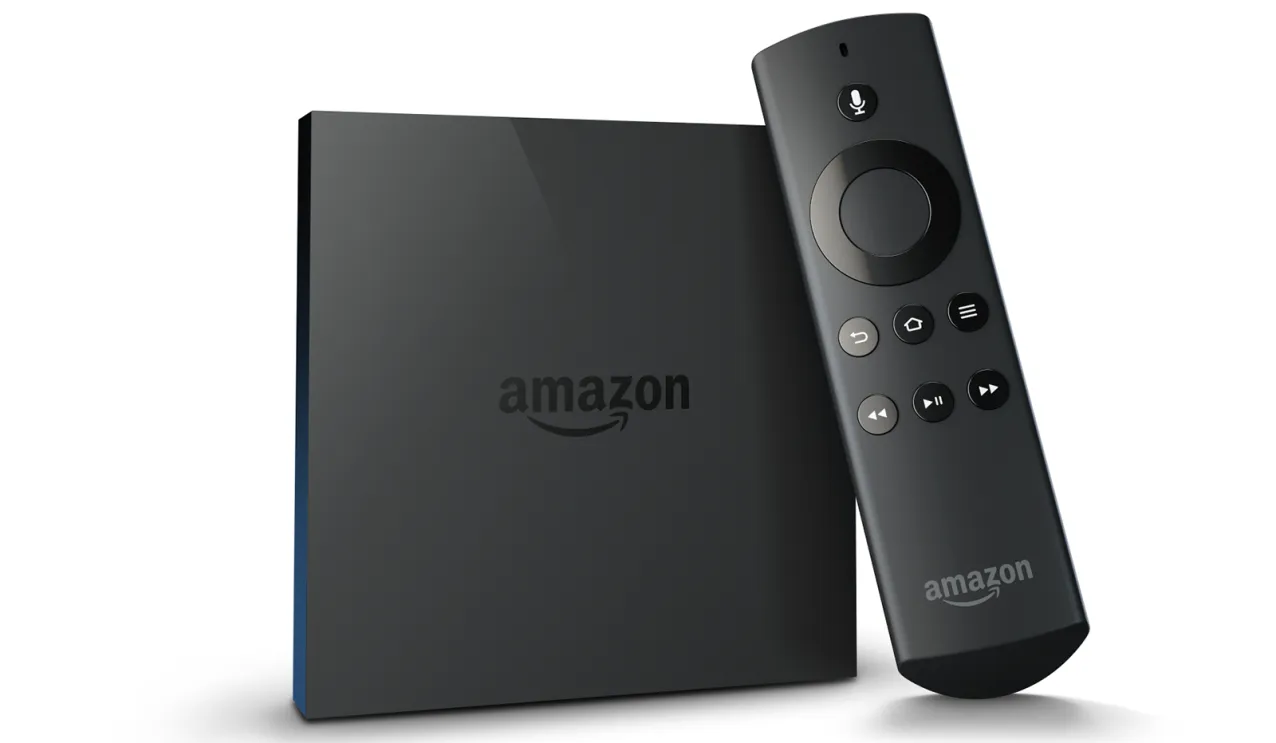
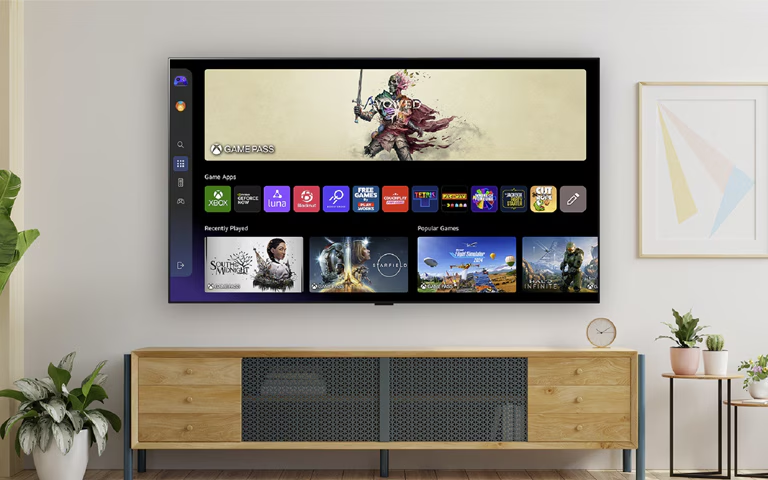
The change specifically targets devices that come equipped with physical remotes or built-in Netflix applications, as detailed by Fortune. So if you've got a modern smart TV, a Roku, Fire TV Stick, Apple TV, or newer Chromecast with Google TV — all the devices that actually make up the majority of people's streaming setups — you're out of luck.
Here's what's particularly frustrating: Netflix's reasoning basically boils down to "if your device is smart enough to have its own Netflix app, you don't need casting." But anyone who's actually used both methods knows that browsing Netflix on your phone is infinitely more pleasant than hunting and pecking with a TV remote through a clunky interface. The phone experience offers better search, faster navigation, and the ability to queue up multiple shows without wrestling with slow TV processors.
Which devices still support casting?
Here's where it gets interesting — and frankly, a bit ridiculous. Netflix hasn't completely killed casting, just severely limited it to devices that are increasingly hard to find. The feature remains functional on older Chromecast models from the third generation and earlier, specifically those without physical remotes, PC Mag confirms.
So if you've still got one of those little hockey puck Chromecasts from 2018 or earlier — the ones that were basically just HDMI dongles with no interface of their own — you're golden. Google Nest Hub smart displays also maintain casting support, along with select cast-enabled Vizio and Compal TVs, according to Business Standard.
But here's the kicker — even on these legacy devices, there's a significant catch. Netflix says casting/mirroring is available on Standard or Premium plans; The Verge reports casting remains only for ad-free tiers starting at $17.99/month in the US, while the $7.99 ad-supported tier can't cast. If you're on Netflix's cheaper ad-supported tier at $7.99 per month, casting is completely disabled across all devices, regardless of how old or compatible they are.
This creates a pretty absurd situation where Netflix is essentially saying, "You can have this convenient feature, but only if you pay us more money and use decade-old hardware." It's like they're actively punishing users for adopting modern streaming technology while simultaneously pushing them toward higher-priced subscriptions.
The real reason behind this decision
Netflix's official explanation for this move feels pretty weak when you examine it closely. Company representatives told media outlets that mobile casting simply wasn't a feature enough members used to justify continued support, with Wired reporting that "usage of the feature was just extremely low."
Netflix has also explicitly stated there's no correlation between removing casting and their ongoing crackdown on account sharing, according to the same Wired article. A Netflix representative insisted that this change has nothing to do with their efforts to prevent people from sharing accounts across different households.
But here's the thing — if casting usage was truly "extremely low," why maintain the technical infrastructure for it until now, and why keep it functional on legacy devices at all? This explanation doesn't quite add up when you consider the selective nature of the restrictions. What's more likely is that Netflix discovered casting made it harder to track and control how people access their content, particularly in scenarios where users might be sharing accounts or watching in locations outside their designated "household."
The timing also raises questions. Netflix has spent considerable effort over the past few years implementing systems to monitor and restrict account sharing. Casting, by its very nature, makes this monitoring more difficult since the content request comes from a personal device but plays on a potentially different location's TV.
Why this change matters more than Netflix admits
The elimination of casting creates genuine problems for specific user scenarios that Netflix seems to have completely overlooked — or deliberately ignored. Consider travelers who frequently use hotel TVs or Airbnb accommodations. Previously, they could securely cast from their personal devices without entering login credentials on potentially compromised or unfamiliar smart TV interfaces. Now they must manually enter login credentials using often-clunky remote controls, Fortune highlights.
This isn't just about convenience — it's a legitimate security concern. Fortune points out that casting lets users keep all their credentials secure on their personal devices while viewing content on a larger screen. Now, if you want to watch Netflix in a hotel room, you're typing your email and password into a TV that could potentially log your keystrokes or store your information long after you've checked out.
There's also a more cynical business angle at play here. This change forces more users to log into Netflix directly on various TV apps, which creates more data points for Netflix to monitor and potentially pushes users closer to account limits, Ars Technica suggests. By requiring people to authenticate on more devices directly, Netflix gains better visibility into usage patterns and can more easily flag "unusual" viewing behavior that might indicate account sharing.
The move follows Netflix's 2019 elimination of Apple AirPlay support, effectively completing their strategy to kill the "second screen" experience for over 300 million subscribers, as Fortune points out. What we're witnessing is the systematic dismantling of flexible viewing options in favor of locked-down, directly controlled access points that give Netflix maximum oversight and revenue optimization opportunities.
What this means for your Netflix experience
Bottom line: Netflix has prioritized revenue optimization and control over user convenience, and subscribers are paying the price in multiple ways. The company's focus has clearly shifted from maximizing user satisfaction to optimizing revenue streams through tighter access controls, Wired observes.
For most Netflix users, this means adapting to a fundamentally less convenient viewing experience. You'll need to get comfortable navigating Netflix's TV interface with a remote control, which is objectively slower and more frustrating than browsing on your phone. The TV apps are typically less responsive, offer limited search functionality, and make it difficult to manage watchlists or discover new content efficiently.
The change also creates a particularly frustrating situation for households with multiple users. Previously, anyone in the family could easily cast their personal Netflix selections without disturbing what others were watching on their devices. Now, managing different user profiles and preferences requires direct interaction with the TV interface, making the shared viewing experience more cumbersome.
While Netflix insists this change reflects usage data rather than strategic positioning, the pattern is unmistakable. The company is willing to sacrifice user-friendly features to maintain tighter control over their platform and create more opportunities for upselling. Whether you view this trade-off as acceptable depends on how much you value convenience — and how much extra you're willing to pay to get some of it back through legacy hardware and premium subscriptions.




Comments
Be the first, drop a comment!