





Meta's partnership with Amazon brings Instagram directly to your living room for the first time, transforming how we consume short-form video content. This collaboration between two tech giants represents a significant shift in the streaming landscape, according to Android Headlines. The timing couldn't be better—launching during the holiday season when families gather around TVs and streaming consumption peaks. Meta has finally realized what YouTube figured out years ago: the big screen is where the real engagement happens.
What makes this TV experience different from mobile Instagram?
The new Instagram app for Fire TV isn't just a blown-up version of your phone screen—it's been completely reimagined for television viewing. Content gets organized into themed channels covering everything from cooking to comedy, making it easier to discover new creators without endless scrolling, The Verge reports. The interface displays portrait videos alongside captions and engagement stats, maintaining Instagram's familiar feel while adapting to horizontal screens.
What's particularly clever is how the app handles multiple users in one household. You can log into up to five different Instagram accounts, ensuring everyone gets personalized recommendations, according to TechCrunch. Videos play automatically as you browse, creating that addictive "channel surfing" experience we remember from traditional TV, but with Instagram's algorithm-driven personalization.
The channels themselves represent Instagram's deepest understanding of TV viewing habits yet. Instead of jumping straight into your personal feed, you're presented with organized collections of Reels grouped by topics and themes. Some channels highlight what's trending across the entire platform, while others deliver personalized content based on your activity and interests. It's like having a TV guide that actually knows what you want to watch—a concept traditional broadcasters spent decades trying to perfect.
Why Amazon Fire TV makes perfect strategic sense
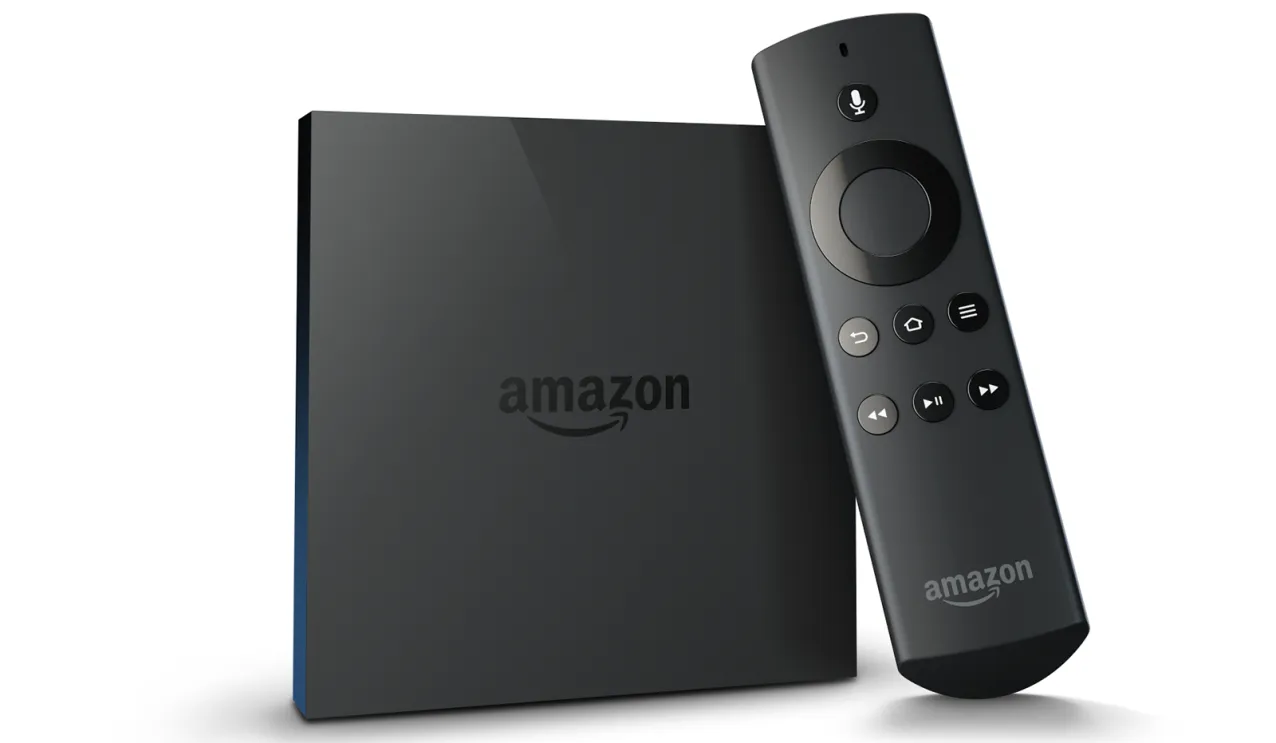
Amazon's Fire TV platform provides the ideal testing ground for Instagram's television ambitions, reaching millions of cord-cutters who've already embraced streaming. The app launches on a comprehensive range of devices, from the basic Fire TV Stick HD to the premium Fire TV Omni QLED Series, Android Headlines confirms. This broad compatibility ensures maximum reach without requiring users to upgrade their hardware.
More importantly, this partnership leverages Amazon's sophisticated content discovery infrastructure that's already proven successful with other streaming services. Prime Video Channels accounted for about 25% of major U.S. streamer sign-ups in Q1 (per Antenna data presented by Amazon), demonstrating their ability to drive user adoption for entertainment partners. By choosing Fire TV over other platforms, Instagram gains access to an audience that's already comfortable discovering new content and spending extended viewing sessions in a streaming environment.
The strategic implications extend beyond simple platform choice. Amazon's existing relationships with advertisers and content creators could open entirely new revenue streams for Instagram, while Fire TV's integrated ecosystem makes it easier for users to seamlessly blend social content with traditional entertainment consumption.
How this changes the competition with YouTube and TikTok
Instagram's TV app directly challenges YouTube's dominance in the connected television space, where the Google-owned platform currently captures significantly more watch time than other social media services. By bringing Reels to the big screen, Instagram hopes to capture some of that valuable "lean-back" viewing time when people want entertainment without actively engaging, TechCrunch notes.
The timing creates a perfect storm of opportunity. TikTok's uncertain regulatory future in the US market means Instagram could capture displaced short-form video viewers who prefer consuming content on larger screens. Meanwhile, YouTube's focus on longer-form content and established creator ecosystems leaves room for Instagram to own the short-form TV space. Instagram head Adam Mosseri previously acknowledged that the company should have explored TV applications years ago, recognizing the platform's importance for competitors.
What makes Instagram's competitive position particularly interesting is how it bridges multiple content consumption behaviors. While YouTube excels at intentional content consumption and TikTok dominates mobile discovery, Instagram's TV app targets the sweet spot between social discovery and passive entertainment—essentially creating a new category of "social television" that neither competitor currently addresses effectively.
The bigger picture: social media meets traditional television
This launch represents more than just another app—it signals the continued blurring of lines between social media and traditional television consumption. Instagram's move follows broader industry trends where digital-first platforms expand to capture attention across all screens and contexts. The app's focus on Reels rather than all Instagram content shows the company's commitment to short-form video as its primary growth driver.
What's fascinating is how this mirrors the evolution we've seen with other platforms. Just as Netflix transformed from DVD-by-mail to streaming giant, Instagram is evolving from photo-sharing to comprehensive video entertainment platform. The TV app could significantly boost Instagram's watch time and creator visibility while opening new advertising opportunities, according to Mashable.
The broader implications for content creators and advertisers are substantial. Success here could fundamentally change how brands think about social media advertising, potentially creating opportunities for campaigns that blend traditional TV advertising scale with social media's precision targeting. For creators, it represents a chance to reach audiences who consume content differently than mobile users—potentially favoring different content styles, engagement patterns, and monetization opportunities.
What's next for the Instagram TV experience?
While currently limited to Amazon Fire TV devices in the US, this pilot program likely represents just the beginning of Instagram's television ambitions. The success of this initial launch will determine expansion to other streaming platforms and international markets. Meta's track record with hardware partnerships, including their successful Ray-Ban smart glasses collaboration, suggests they understand the importance of choosing the right partners for platform expansion.
The real test will be whether Instagram can maintain its addictive mobile experience on television screens, where viewing behaviors differ significantly. Success could position Instagram as a legitimate competitor to YouTube TV and other streaming services, The Verge suggests. For cord-cutters and streaming enthusiasts, this represents another step toward truly personalized television experiences that adapt to individual preferences rather than broadcast schedules.
Bottom line: Instagram's TV app feels like the logical next step in the platform's evolution from photo-sharing to comprehensive entertainment destination. If people spend significant time watching Reels on their TVs and the feature drives meaningful engagement, expect rapid expansion to Roku, Apple TV, and Google TV platforms. Meta has finally acknowledged what many in the industry have known for years—the battle for attention happens across all screens, and platforms that don't adapt to changing viewing habits risk getting left behind. This isn't just about porting mobile content to TV; it's about creating entirely new viewing behaviors that could reshape how we think about both social media and television entertainment.

Comments
Be the first, drop a comment!