



Comcast NBCUniversal Spin-Off: What Peacock Loses and Gains
Peacock enters this next chapter with 46 million subscribers, a genuine sports portfolio, and a growing entertainment slate. None of that is the problem. The problem is structural: for years, Comcast's cable and broadband network connecting more than 65 million U.S. customers gave Peacock bundled distribution, built-in promotional use, and a balance sheet deep enough to absorb streaming losses without triggering a crisis. The Comcast NBCUniversal spin-off doesn't change what Peacock is. It removes the infrastructure that made Peacock's economics work and those are two very different things.
The M&A speculation that followed the announcement is a distraction worth dispatching quickly. Comcast chairman Brian Roberts said "Absolutely not," and designated NBCUniversal CEO Mike Cavanagh said "Definitely not," when asked whether the separation signals an imminent sale, Variety reported yesterday. The transaction isn't expected to close until mid-2027, and as analyst Craig Moffett noted, "to preserve the tax-free nature of the spin, a sale [of NBCU] can't even be contemplated for a couple of years" after that. The acquisition chatter is a media reflex. The real question is operational: can a streaming service that has never stood fully on its own replace the institutional advantages it's about to lose?
What the Comcast split actually creates
The restructuring produces three distinct entities, and keeping them straight matters for everything that follows.
Comcast retains its cable and broadband network, which connects more than 65 million U.S. customers, per SportsPro. The cable channels USA Network, CNBC, MSNBC, Oxygen, E!, SYFY, Golf Channel, plus digital assets including Fandango and Rotten Tomatoes spin out as a separate publicly traded company. Originally named SpinCo, now rebranded Versant, this entity generates approximately $7 billion in annual revenue and will reach roughly 70 million U.S. households through cable channel distribution, per the Comcast SpinCo press release from early last year. Mark Lazarus leads Versant.
The new NBCUniversal is the third entity: NBC, Telemundo, Universal Studios and theme parks, NBC Sports, Peacock, and Sky. Michael Cavanagh oversees the combined unit, per SportsPro. Peacock belongs to NBCUniversal, not Versant.
That distinction shapes the argument entirely. Inside Comcast's conglomerate, Peacock competed for capital against a cable infrastructure business with entirely different economics and timelines. Standalone, it becomes the company's streaming mandate. The Comcast 2025 Shareholder Letter described the restructured NBCUniversal as "a more focused media business, operating broadcast and streaming together to maximize reach and value" across NBC, Peacock, Telemundo, and Bravo a framing that puts Peacock at the center of the portfolio rather than the edge of it.
Cavanagh has been direct about the ambition. "Our plan for NBCUniversal and Sky is to build and invest for growth," he told analysts, adding that the company has "the freedom now to explore adjacent businesses where we have the right to play," Variety reported. LightShed's Rich Greenfield went further, arguing that an independent NBCUniversal would more likely be a buyer than a seller, citing Sony Pictures Entertainment, Roblox, and Mediawan as potential targets. That's speculative. But it reframes the spin-off's direction: structured as a launch, not a retreat.
What Peacock after the Comcast spin-off no longer has
The distribution advantage is the hardest thing to replace, and the easiest to underestimate from the outside.
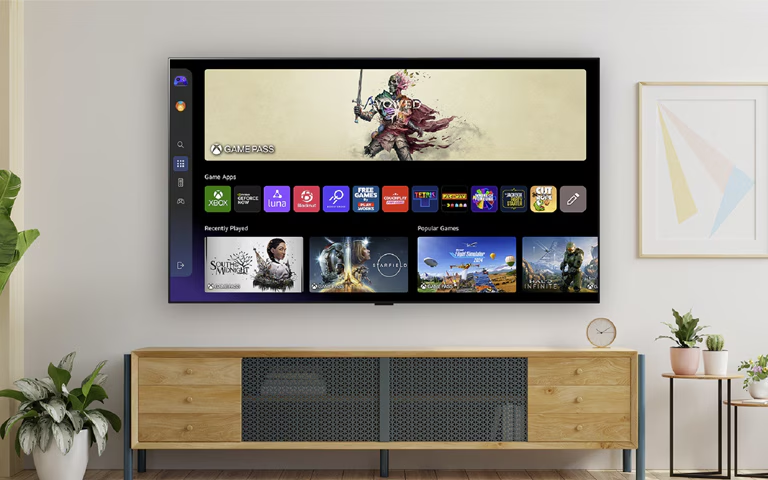
Comcast's network gave Peacock promotional placement embedded in tens of millions of existing customer relationships, along with the economics of bundling a streaming service at marginal cost. Those advantages compounded quietly over years. They reduced sign-up friction, lowered per-subscriber acquisition costs, and provided a promotional channel no independent streaming service can replicate through paid media alone. As analysis rather than settled fact: once NBCUniversal is operating independently, it will need to negotiate commercially for placement that was previously structural competing for smart TV slots and carrier bundle inclusion in a market where every streaming service is chasing the same limited positions.
Moffett's counterargument deserves serious engagement. "Peacock's scale problem doesn't demand M&A," he wrote, arguing it "can be far more readily addressed through simple distribution agreements" because "the scale that matters isn't the size of the company, it's the size of the content bundle," Variety reported. The logic holds. Distribution agreements are not passive substitutes for infrastructure, though. They have to be negotiated, renewed, priced competitively, and maintained against counterparties with their own preferred streaming partners. The burden shifts from structural advantage to execution capability. That's a meaningful distinction, because execution is precisely where the uncertainty lives.
The entertainment question sits alongside the distribution question, not beneath it. Comcast has pointed to titles including The Traitors, Love Island, and All Her Fault as evidence Peacock's entertainment programming is building genuine traction beyond sports, per the Comcast 2025 Shareholder Letter. What remains unknown publicly is whether those titles are driving holdover engagement subscribers who stay active and paying in the months between NFL Sundays and Olympics coverage or whether Peacock is still fundamentally an event-driven service with a library attached. A streaming business that retains subscribers only during major live events is a seasonal business, and seasonal businesses have structural churn problems that no rights acquisition resolves. That data point is the most important number no one is discussing openly.
The content leadership assembled for Versant, not NBCUniversal, includes Val Boreland, who played a central role in launching Peacock and secured catalog acquisitions including Yellowstone, The Office, and Harry Potter, per the Comcast SpinCo press release from early last year. Those titles are retention assets programming that keeps subscribers paying in the weeks between major sporting events. The executive who built that content acquisition capability is now running Versant's entertainment operation, not Peacock's. Whether NBCUniversal can replicate that curation discipline under new leadership is an open question the spin-off creates rather than answers.
Sports is the core bet, with real limits
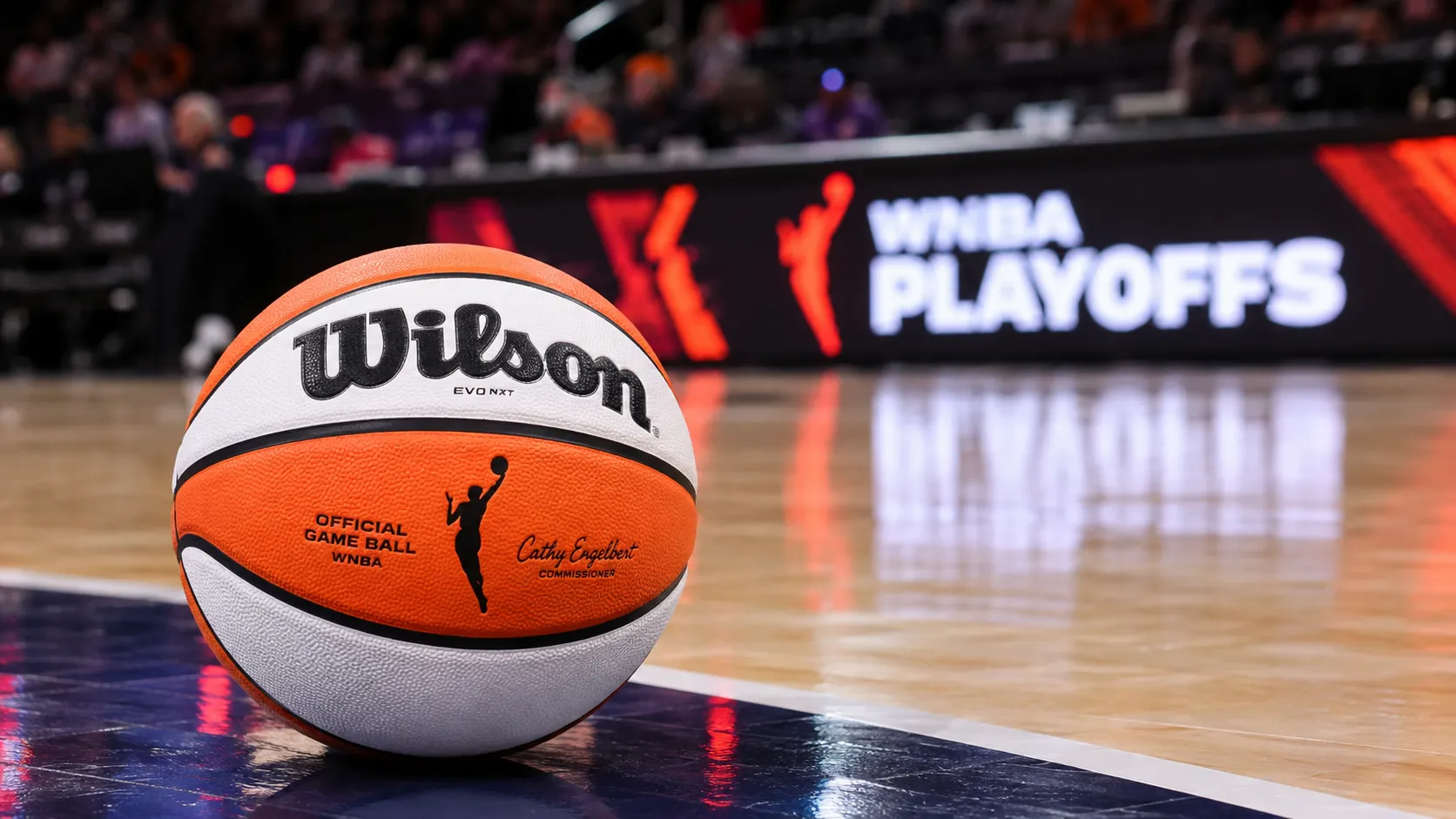
NBC Sports holds long-term contracts with the NFL, NBA, MLB, and the English Premier League, SportsPro reported. Paris Olympics coverage drove measurable Peacock subscriber growth, and an 11-year NBA and WNBA deal brings professional basketball back to NBC and Peacock this fall, per the Comcast 2024 Shareholder Letter. NBCUniversal is expected to carry approximately 40% of the industry's largest live events in 2026, according to the Comcast 2025 Shareholder Letter. These are serious assets. The rights stack is as strong as any non-ESPN sports portfolio in U.S. media.
Sky adds a further dimension. The new NBCUniversal includes Sky's UK operations, built around Premier League, Formula One, and international cricket. Sky has had genuine success adapting to the streaming transition, launching Now TV as a direct-to-consumer platform and positioning its broader service as a streaming aggregator rather than a legacy cable holdout, SportsPro noted. That model premium sports anchoring a wider content bundle, distributed across multiple access points is precisely what Peacock needs to develop on the U.S. side. Sky has reportedly agreed terms to acquire ITV, the UK's largest commercial broadcaster, and its ITVX streaming service for £1.6 billion, per SportsPro, which would extend the aggregation model further.
Sky is also a warning. Comcast paid £30.6 billion for it in 2018, later wrote down the asset's value by $8.6 billion, and sold Sky Deutschland to RTL earlier this year, per SportsPro. Premium sports rights and international expansion, the record suggests, don't automatically produce streaming economics that work at scale. Sky is worth studying as both a strategic template and a cautionary example: the same sports-first playbook that built a durable business in the UK produced an acquisition that Comcast spent years writing down.
The deeper problem with a sports-first strategy is calendar mechanics. Rights drive subscriber acquisition spikes around major events but don't inherently produce steady engagement through the dead weeks. The specific evidence that would validate Peacock's approach subscriber retention rates between NFL seasons, ARPU trends from sports-acquired subscribers, engagement depth from catalog titles is not yet available publicly. Without it, Peacock's subscriber growth will keep getting described the same way: real momentum, but not yet proof that the economics hold without Comcast's structural support underneath.
What the Comcast split means for Peacock: three signals that will settle it
Three observable indicators will resolve the strategic question before any analyst consensus forms.
The first is distribution agreements. Watch whether NBCUniversal secures bundled placement deals with major carriers or device platforms before the transaction closes in mid-2027. Signed agreements that replicate Comcast's cable network placement would indicate Peacock can replace what it's losing. Their absence would confirm the subscriber acquisition cost problem is real and compounding in the background while the subscriber headline number still looks respectable.
The second is between-season subscriber behavior. Peacock's Q1 2026 growth up two million to 46 million total, still significantly smaller than Netflix, Prime Video, Disney+, or Hulu, per Variety is encouraging as a directional signal. The test is whether those counts hold in the months between major NFL, NBA, and MLB windows, when the entertainment slate has to carry its own weight. Predictable churn spikes in those periods would confirm the sports-and-retention problem regardless of rights portfolio strength.
The third is Sky integration. Sky's direct-to-consumer infrastructure and aggregation model could give Peacock a working template for the distribution strategy it needs to develop in the U.S. Whether that expertise gets genuinely folded into Peacock's operations shared technology, shared distribution thinking, coordinated content strategy across markets or whether Sky remains a separately managed international business adding balance sheet complexity without adding strategic reach, will reveal whether the new NBCUniversal is being run as a coherent streaming company or a collection of distinct media assets that happen to share a parent company.
Peacock enters this chapter with a sports portfolio that would be the envy of most streaming services, a management team that describes its mandate as building rather than retreating, and the structural clarity of being the streaming mission rather than one priority competing against a cable giant. That's a better starting position than the spin-off skeptics acknowledge.
The gap between 46 million subscribers and genuine streaming viability is not primarily a content problem or a rights problem. It's a distribution and retention problem, and independence makes both harder to solve, not easier. The assets are real. The infrastructure being replaced was also real. Closing that gap is what the next two years will actually measure.



Comments
Be the first, drop a comment!