



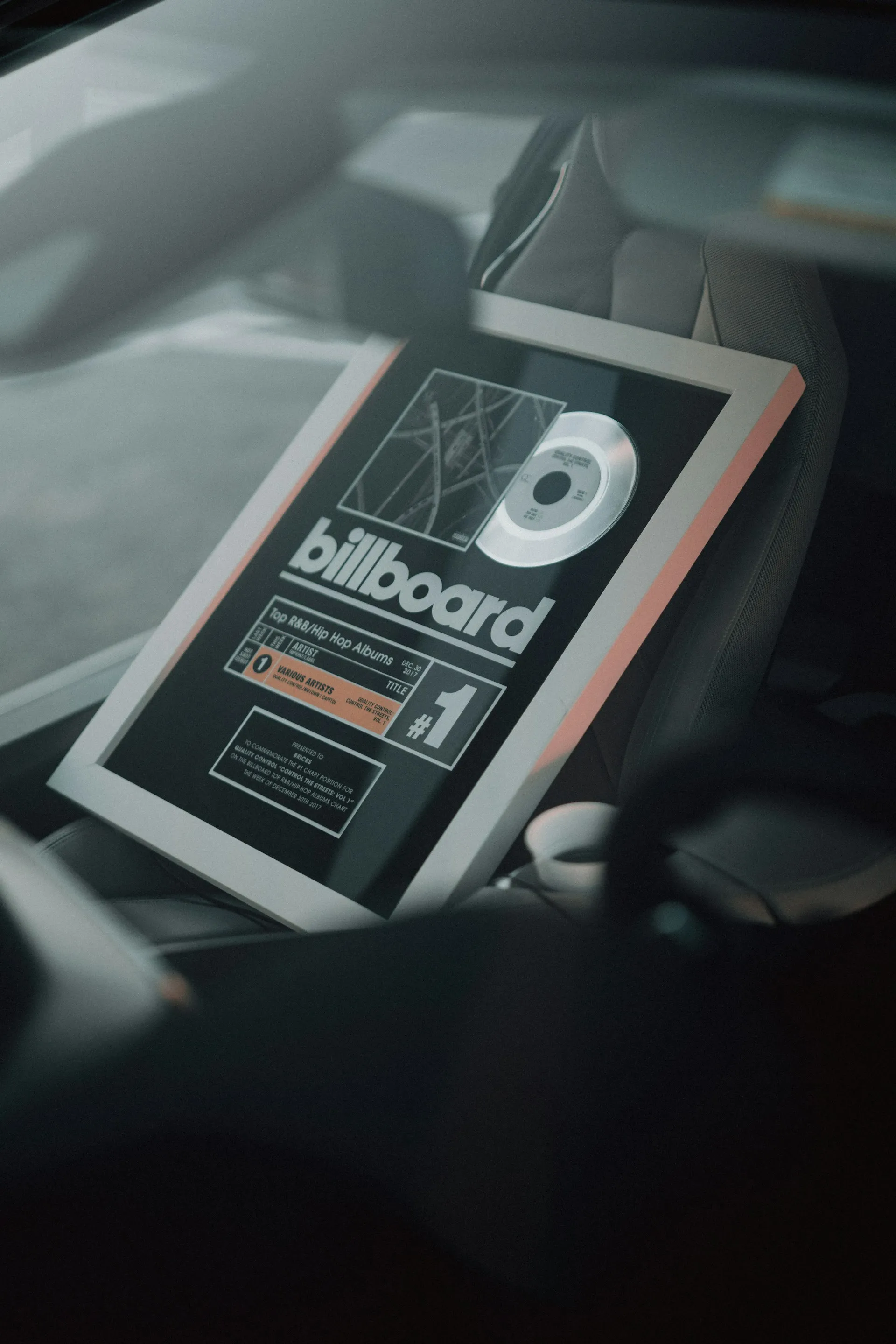
Music charts have been evolving for decades, but we're witnessing one of the most significant shifts in how Billboard measures success. The streaming revolution has fundamentally changed how we consume music, and Billboard's latest adjustments reflect this new reality—though not everyone's happy about it.
Beginning January 17, 2026, Billboard will reduce the number of streams needed to equal an album sale, marking another milestone in the ongoing transformation of music measurement. The change will require 33.3% fewer ad-supported streams and 20% fewer paid streams to count as one album unit, fundamentally altering how artists compete for chart positions. This evolution raises important questions about fairness, accuracy, and whether platforms like YouTube are getting the recognition they deserve in today's streaming-dominated landscape.
How Billboard's new math changes the game
Let's break down what's actually changing here. Currently, one album unit equals 3,750 free streams or 1,250 paid streams, but starting in January, those numbers drop to 2,500 and 1,000, respectively. The shift also narrows the gap between paid and free streams—the ratio changes from 1:3 to 1:2.5, giving free streams more influence than ever before.
These changes affect both the Billboard 200 album chart and corresponding genre charts, with similar ratio adjustments coming to the Hot 100 singles chart. What makes this particularly significant is how it reflects streaming's economic reality—Billboard based these changes on analysis of actual streaming revenue data, not arbitrary adjustments.
The result? Billboard will count higher numbers of album equivalent sales, creating strategic advantages for different artist types. Hip-hop and pop artists who excel on ad-supported YouTube will likely see chart gains relative to genres that perform better on subscription services like Apple Music. Artists building careers through visual content—think viral music videos or reaction content—suddenly have more chart influence than those relying purely on audio streaming.
This creates fascinating strategic implications. Where artists once optimized primarily for playlist placement on subscription services, the new math incentivizes building strong presences across both paid and free platforms, with particular emphasis on YouTube's massive reach.
The YouTube factor: why video streams matter more than ever
Here's where things get really interesting. YouTube has become a powerhouse in music streaming, yet it often feels underrepresented in traditional chart calculations. The platform paid out $8 billion to the music industry between July 2024 and July 2025, representing a massive $2 billion increase since 2022. With over 125 million Music and Premium subscribers globally and two billion logged-in viewers watching music videos monthly, YouTube's influence on music consumption is undeniable.
The platform's cultural impact extends far beyond revenue numbers. Research demonstrates that incorporating YouTube social media features like view counts, likes, and comments significantly improved music popularity prediction models by 10% to 60%. This suggests YouTube metrics serve as early warning systems for chart success—when a song generates significant YouTube engagement, it often predicts future Billboard performance better than traditional streaming numbers alone.
Billboard did add video streams from services like YouTube to its Billboard 200 calculations in 2020, but the new ratio adjustments might finally give YouTube's cultural influence proper mathematical weight. Consider artists like Bad Bunny or K-pop groups who generate massive YouTube engagement—under the new system, their visual content dominance could translate more directly into chart success.
The timing is crucial. As YouTube expands globally across more than 100 countries and 80 languages, its role as a music discovery engine continues to grow. The new Billboard ratios might finally align chart methodology with this reality.
The streaming evolution: from radio to algorithms
To understand why these changes matter, we need to examine Billboard's streaming journey within the broader industry transformation. Streaming influence on Billboard charts began in 2007 with the Hot 100, followed by Spotify's inclusion in 2012. The Billboard 200 started counting digital album equivalents in 2014, and in 2018, Billboard adjusted formulas to give more weight to paid streams versus free ones.
This evolution mirrors a complete industry restructuring. By 2023, music streaming accounted for 67.3% of all recorded music revenues, totaling $19.3 billion, while physical media sales only represented 17.8%. But streaming's influence extends beyond revenue into career dynamics—research examining the 2009 Warner-YouTube dispute found that Warner artists earned 18 percentage points less concert revenue when their content was removed from YouTube.
This finding reveals how streaming platforms like YouTube don't just measure popularity—they actively create touring opportunities and live performance demand. The new Billboard ratios acknowledge this interconnected ecosystem where streaming success drives multiple revenue streams, making chart methodology more predictive of actual career sustainability.
The pace of change shows no signs of slowing. We've moved from radio gatekeepers to algorithm-driven discovery, fundamentally altering how music careers develop and succeed.
What this means for artists and the industry
The implications ripple through the music ecosystem in specific, actionable ways. For artists, the new calculations create clear strategic priorities: building strong presences across both subscription and ad-supported platforms becomes crucial, with particular emphasis on visual content that performs well on YouTube.
However, the underlying economics remain challenging despite improved chart representation. Streaming services pay roughly $0.003 per stream on average, meaning an artist with 100,000 streams earns only about $300 before cuts. This reality explains why, among 2018's Billboard Top 50 Money Makers, 80% of revenue came from live performances versus just 8% from streaming.
The new ratios might actually help address this challenge. Artists who excel at creating engaging video content—think behind-the-scenes footage, lyric videos, or collaborative content—can now leverage YouTube's ad-supported model more effectively for chart success, potentially driving greater touring demand and merchandise opportunities.
Billboard has also been adjusting its Hot 100 rules to remove older songs more quickly, with new thresholds that remove songs after specific timeframes based on chart position. Combined with the streaming ratio changes, this creates a dynamic environment where artists must balance viral moment creation with sustained engagement across multiple platforms.
PRO TIP: Artists should focus on creating content that performs well on ad-supported platforms while maintaining quality that converts to paid streaming—think visually compelling music videos that drive YouTube engagement while featuring music that encourages repeat listening on Spotify or Apple Music.
Where do we go from here?
Billboard's latest changes represent a recalibration rather than a revolution, but they point toward continued methodology evolution as consumption patterns shift. While the new ratios better reflect streaming revenue realities, emerging platforms suggest further adjustments ahead. The top 10 TikTok songs in 2024, generating over 8 billion Spotify streams, demonstrate how social platforms increasingly drive streaming success across traditional services.
The key insight? Billboard's charts continue evolving to incorporate new media while staying true to their origins, but future changes will likely need to account for social media's growing influence on music discovery. TikTok's impact suggests we might eventually see methodology adjustments that consider viral moments, user-generated content, and social engagement alongside traditional streaming metrics.
For now, these changes signal that understanding platform dynamics becomes increasingly crucial for chart success. Artists and industry professionals who master the interplay between ad-supported and subscription streaming, visual and audio content, and viral and sustained engagement will thrive under the new system.
The challenge moving forward involves balancing measurement accuracy with cultural relevance—ensuring chart methodologies capture both economic realities and the complex ways people discover, share, and engage with music in our increasingly connected world.




Comments
Be the first, drop a comment!