



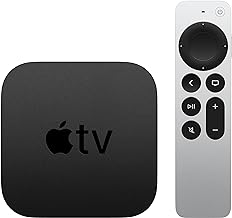


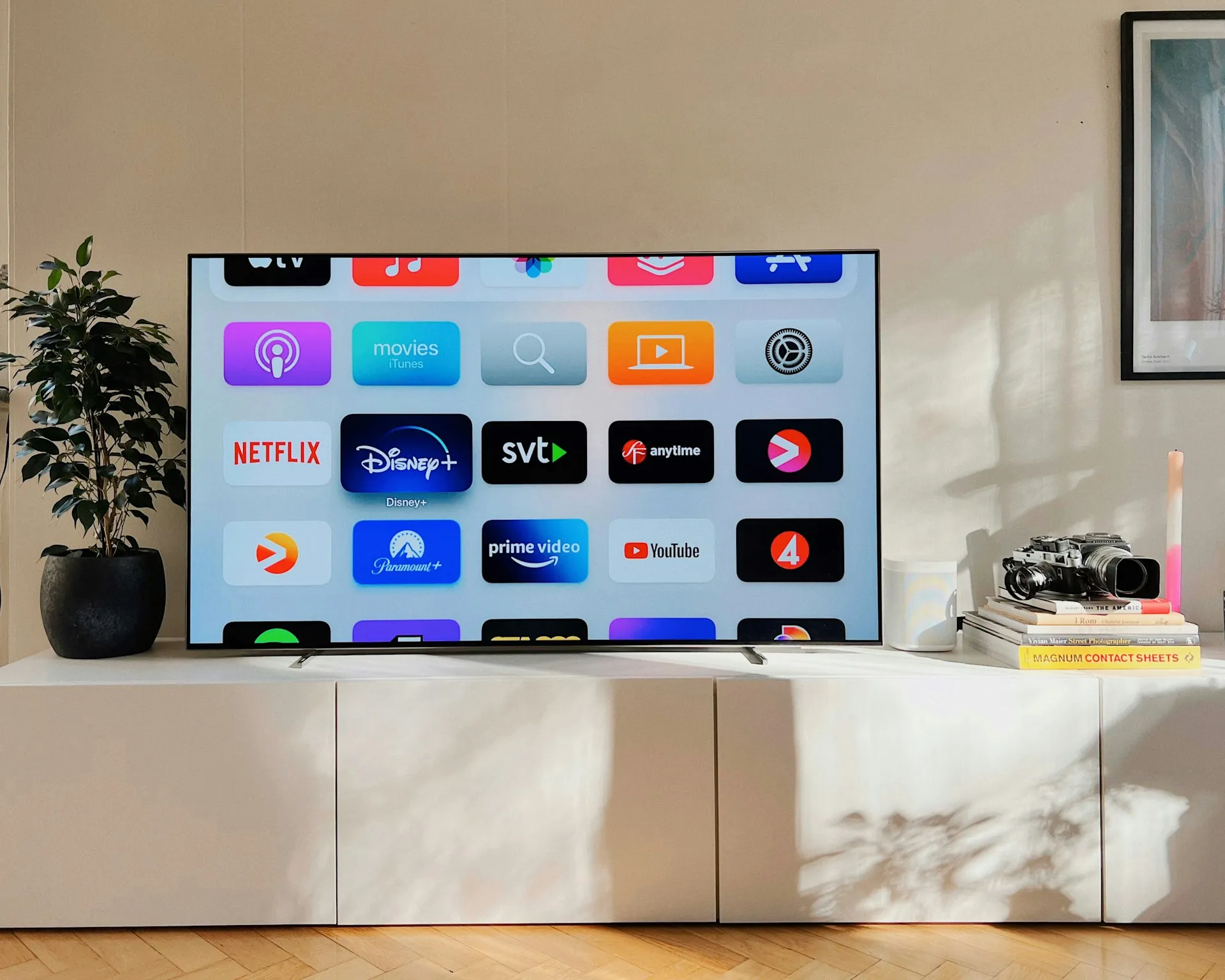
When Apple TV joined Roku's Premium Subscriptions lineup this week, it wasn't just another distribution deal – it was a strategic acknowledgment that the streaming landscape has fundamentally shifted. Apple TV has become one of more than 70 services in Roku's curated subscription offering, making Apple's premium content significantly more accessible to Roku's platform that's expected to exceed 100 million households this year.
This partnership follows Apple's similar deal with Amazon Prime Video from October 2024 and represents something much bigger than simple content distribution. For years, Apple tried controlling the aggregation game entirely through its own "Apple TV Channels" initiative, but that effort never gained traction due to limited streaming partner participation. Now, the company's embracing established aggregators – a pragmatic pivot that benefits everyone involved.
What makes Roku's Premium Subscriptions different from regular app access?
Here's where things get interesting. While Apple TV has been available as a standalone app on Roku since 2019, this new integration eliminates the subscription barriers that prevented casual discovery—users no longer need to commit to creating Apple accounts before trying the service. Users can now subscribe directly through their Roku account without juggling additional logins or passwords – a simple change that eliminates one of streaming's biggest friction points.
The Premium Subscriptions platform creates a seamless experience where users access content with a single login across Roku devices, mobile apps, and web interfaces. But the real advantage lies in enhanced visibility. Services in the premium lineup receive more prominence and promotional support compared to regular app listings, giving Apple TV significantly better positioning on a platform that powers one-third of all smart TVs in North America.
Think of it this way: instead of Apple TV being buried among hundreds of apps, it's now featured in a curated collection that Roku actively promotes to its massive user base. That's premium real estate in the streaming world.
How does this impact subscriber acquisition and billing?
The billing integration creates compelling advantages for everyone involved. Apple TV maintains its standard pricing through Roku – subscriptions cost $12.99 monthly or $99 annually, with eligible customers receiving a seven-day free trial. But the streamlined signup process removes traditional barriers that prevent users from trying new services.
For Roku, this arrangement means participating in higher-level revenue sharing with premium partners compared to standard app distribution. It's a more lucrative business model that incentivizes Roku to actively promote these services rather than simply hosting them.
The simplified subscription management also addresses churn – a major problem across streaming services. Users can easily add or cancel services directly through their Roku device or my.roku.com, making the entire experience more user-friendly than managing multiple streaming accounts across different platforms. When canceling feels less complicated, people are more willing to try new services in the first place.
Why is Apple embracing third-party aggregation now?
This represents a notable strategic pivot for Apple, which previously attempted to control content aggregation entirely. The company's "Apple TV Channels" initiative, launched in 2019, was designed to make Apple the central hub for streaming subscriptions. But that vision never materialized because major streaming services simply didn't participate – a lesson that informed Apple's current partnership approach by showing that exclusivity matters less than accessibility.
The move to embrace established aggregators like Roku and Amazon makes business sense, especially considering Roku's massive reach. When a platform controls one-third of all smart TVs in North America and saw streaming hours increase 15% to 145.6 billion hours in 2025, working with them becomes more valuable than competing against them.
Apple's willingness to partner with both Amazon and Roku demonstrates a pragmatic approach to expanding its subscriber base rather than limiting access to its own ecosystem. Sometimes the best way to win the streaming game is to meet viewers where they already are, not try forcing them to come to you.
What does the timing reveal about Apple's content strategy?
The announcement's timing isn't coincidental – it arrives just as Apple TV prepares to launch major content initiatives. The partnership coincides with Formula 1 season beginning and Major League Baseball's 2026 season starting later this month, giving Apple maximum exposure for its high-profile live sports offerings.
Apple TV subscribers can watch Formula 1 races, MLS matches with passes, and Friday Night Baseball live – content that benefits significantly from broader platform distribution. Live sports create appointment viewing that drives subscriber acquisition, but only if people know the content exists and can easily access it.
The service also features popular original series like "Slow Horses," "Severance," and "The Morning Show", along with thousands of hours of ad-free original content that receives weekly updates. Having this content discoverable through Roku's enhanced promotional features maximizes the return on Apple's substantial content investments.
What's particularly interesting is how this partnership positions Apple TV as premium content becomes increasingly expensive to produce. The enhanced Roku integration helps justify those content costs by reaching audiences that might never have downloaded Apple's standalone app.
The bigger picture: what this means for streaming competition
This partnership signals broader shifts in how streaming services approach distribution and discovery in an increasingly crowded market. The days of expecting consumers to download individual apps for every streaming service are ending – people want aggregation and simplified management.
For cord-cutters, these aggregation deals represent a return to simpler content management. The Premium Subscriptions platform allows users to subscribe to more than 70 streaming services using their Roku account, creating the kind of unified billing experience that cable companies once provided but with unprecedented content choice and flexibility. It's ironic that we're moving back toward the bundle model that many thought streaming would replace, but this version offers more flexibility and control.
As Gil Fuchsberg, Roku's president of partnerships, noted, the integration creates "a win for viewers, the platform experience, and partners" by leveraging Roku's scale to drive engagement and discovery. The key insight here is that successful streaming partnerships create value for all parties rather than zero-sum competition.
For streaming services, fighting for exclusive control over content discovery and billing is becoming less important than reaching the largest possible audience. The winners will be services that prioritize accessibility and user experience over platform control.
Where does streaming aggregation go from here?
The Apple TV-Roku partnership represents more than just another distribution deal – it's a glimpse into the future of streaming platform relationships. Rather than continuing the fragmented app-by-app approach that has frustrated consumers, major players are recognizing the value of strategic partnerships that benefit everyone involved.
This trend toward seamless integration and simplified subscription management addresses one of streaming's biggest pain points. As the market matures, expect more services to follow Apple's lead in embracing aggregation platforms that can deliver scale, convenience, and enhanced content discovery in ways that isolated apps simply cannot match.
For content creators, this shift means focusing on producing compelling content rather than building complex distribution infrastructure. For consumers, it promises a return to simpler content discovery without sacrificing choice or control. And for platform aggregators like Roku, it creates sustainable business models built on genuine value creation rather than gatekeeping.
The streaming wars aren't ending – they're evolving into something more collaborative and ultimately more sustainable for everyone involved. Apple's embrace of third-party aggregation might seem like a concession, but it's actually a smart recognition of how the streaming landscape really works when viewers, not platforms, get to choose how they access their entertainment.




Comments
Be the first, drop a comment!