




The 2026 Oscar nominations have dropped, and if you're anything like me, you're already mapping out your viewing strategy. From blockbuster sequels to indie darlings, this year's nominees span every corner of the entertainment landscape—which means they're scattered across just as many streaming platforms and rental services.
Here's the reality: gone are the days when you could catch most nominees on a single service. Today's fragmented streaming ecosystem means serious Oscar watching requires some strategic planning. Whether you're a completist aiming to see every nominated film or just want to catch the major contenders before ceremony night, knowing where to find these films—and how much you'll pay—can save you both time and money.
The streaming wars have fundamentally changed how we consume awards-worthy content. What used to be a simple trip to the local video store (remember those?) now involves navigating subscription tiers, rental windows, and geographic restrictions that would make a copyright lawyer's head spin. But here's the thing—with the right approach, you can actually get a better viewing experience than ever before, often for less money than you'd expect.
The major streaming players and their Oscar hauls
Each streaming service has staked its claim on different pieces of the Oscar puzzle this year, and understanding their strategies helps explain where you'll find the biggest collections of nominees.
Netflix continues its aggressive awards campaign, investing heavily in both original content and exclusive distribution deals that make it an essential stop for serious Oscar watchers. What's particularly interesting about Netflix's approach is how they've learned to game the awards calendar—releasing prestige content in limited theatrical runs before quickly moving to streaming, maximizing both Oscar eligibility and subscriber value.
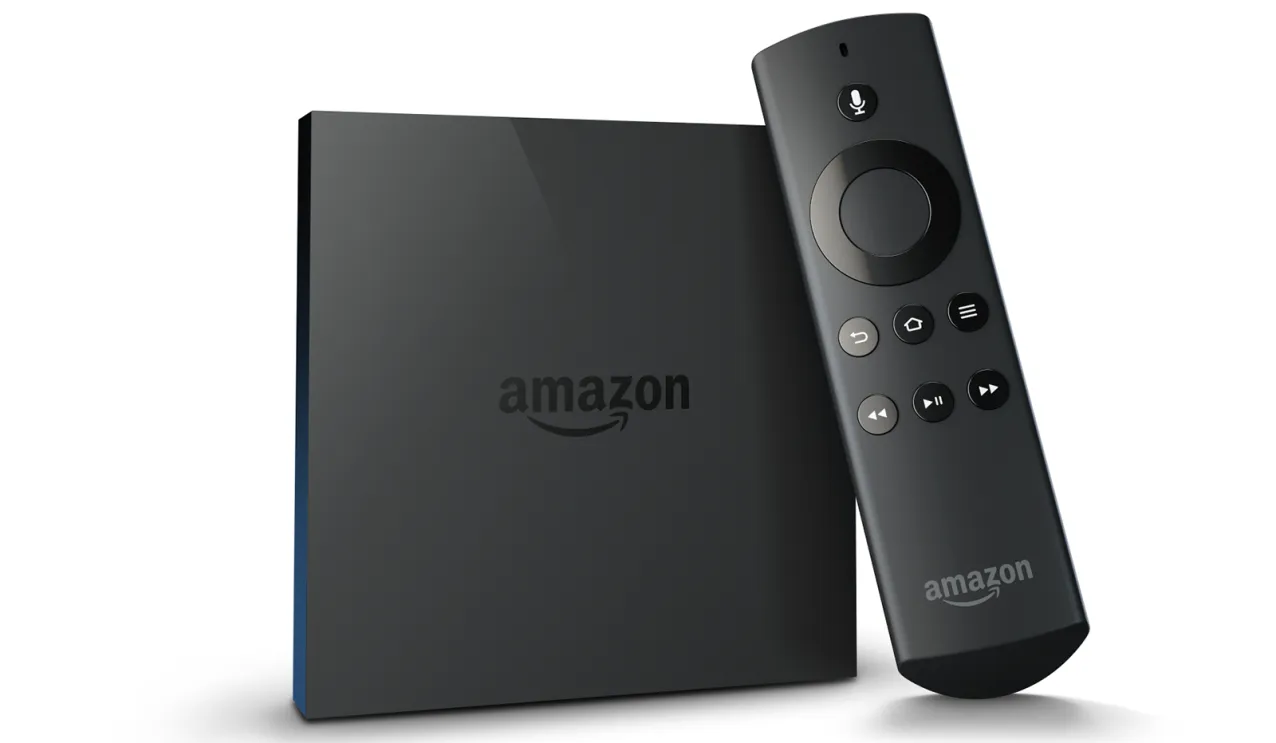
Amazon Prime Video takes a hybrid approach that's honestly a bit confusing at first glance. Some nominees come free with your Prime membership, while others require additional rental fees even if you're already paying for the service. Their X-Ray feature becomes particularly valuable during awards season, providing behind-the-scenes context and trivia that enhances the viewing experience. It's like having a film studies professor sitting next to you, minus the lecture hall.
Apple TV+ maintains its boutique strategy, focusing on fewer but higher-quality original productions. When they have nominees, they're typically available to all subscribers without additional fees—a refreshing change from the increasingly common premium rental model. The catch? Their catalog remains relatively small, so you're unlikely to find everything you need here.
The smaller players deserve attention too. Hulu often picks up distribution rights for festival darlings that become surprise nominees, while HBO Max (or whatever they're calling it this week) tends to focus on prestigious dramas and documentaries. Don't sleep on specialty services like A24's potential streaming offerings or Criterion Channel for older nominees and contextual viewing.
PRO TIP: Create a spreadsheet tracking which nominees are on which platforms. Services regularly shift content between subscription inclusion and rental-only status, especially during awards season when demand peaks.
Rental vs. subscription: What you actually need to budget
The economics of Oscar watching have shifted dramatically, and understanding when to rent versus when to subscribe can significantly impact your wallet.
Most major nominees follow a predictable release pattern: theatrical exclusivity, premium digital rental, then eventual streaming service inclusion. The timing varies wildly, but blockbusters typically hit digital rental platforms within 45-90 days of theatrical release, while smaller films might take longer to reach streaming services. Independent films often follow completely different timelines, sometimes appearing on streaming platforms before wide theatrical release.
Digital rental prices have generally standardized in the market, though newer releases often command premium pricing for early access. The math becomes simple: if you're planning to watch more than three films from a single service's catalog, a monthly subscription usually beats individual rentals.
Here's where it gets tricky—many nominees span multiple services, making the subscription-versus-rental calculation more complex. A strategic approach involves identifying which service hosts the most films you want to see, subscribing for a month, then handling outliers through individual rentals.
Let's break down a realistic scenario. for example you want to watch 15 nominated films before the ceremony. If they're spread across Netflix (4 films), Amazon Prime (3 films), Apple TV+ (2 films), and various rental platforms (6 films), you're looking at roughly $45 in subscriptions plus $36 in rentals—about $81 total. Compare that to renting everything individually at $90+, and the hybrid approach saves money while providing a better viewing experience.
PRO TIP: Many streaming services offer free trials that you can strategically cycle through. Set calendar reminders for cancellation dates if you don't plan to continue long-term.
Technical considerations: 4K, HDR, and the viewing experience
For tech enthusiasts, not all streaming experiences are created equal, and Oscar nominees often showcase the biggest differences in technical presentation.
4K and HDR availability varies significantly across platforms and individual titles. Netflix and Apple TV+ generally offer the most consistent 4K HDR experience for their original content, while rental platforms often provide the highest bitrates for purchased or rented content. The difference becomes particularly noticeable with visually stunning nominees—those cinematography and visual effects categories become much more meaningful when you can actually see the detail the filmmakers intended.
Audio presentation deserves equal attention. Many nominated films feature advanced soundtracks that streaming services handle differently. Apple TV+ and Netflix typically preserve more of the original audio mix, while some rental platforms offer enhanced audio options for premium purchases. If you've invested in a decent sound system, this isn't just technical nitpicking—it's the difference between hearing a film and experiencing it.
Your internet connection becomes crucial for optimal viewing. Higher-quality streaming requires robust, sustained bandwidth, and many services will automatically downgrade quality if your connection wavers. For the best experience with visually stunning nominees, consider downloading films during off-peak hours rather than streaming live. Most services allow offline viewing for downloaded content, which eliminates buffering issues and often provides better overall quality.
Here's a pro tip: if you're serious about image quality, pay attention to which platform has the newest licensing deal with each film. Newer deals often mean better encoding and higher bitrates, even for the same movie across different services.
Regional restrictions and workaround strategies
Geographic availability remains one of streaming's most frustrating aspects, and Oscar nominees often face complex international licensing restrictions that create inconsistent global access.
The licensing maze means a film that's free on Netflix in the US might only be available as a premium rental in Canada, or completely unavailable in Europe. These restrictions often make little sense from a consumer perspective, but they're the reality of international distribution rights that were negotiated years before streaming became dominant.
Alternative legal options include digital libraries through services that partner with local libraries to offer free streaming. Many Oscar nominees eventually appear on these platforms, though availability depends on your library system's licensing agreements. It's worth checking—you might be surprised what's available with just your library card.
International viewers might find nominees available on different services than their US counterparts. What's a Netflix exclusive in America might be available on Amazon Prime in Europe, making regional research worthwhile for travelers or those with international accounts.
PRO TIP: Library-based streaming services often have surprisingly robust catalogs of award-worthy films. Check your local library's digital resources before paying for rentals.
Your Oscar viewing strategy: Making it all work together
Smart Oscar watching requires treating it like a tech project—strategic, organized, and optimized for both cost and experience.
Start by cataloging which nominees interest you most, then research their current availability across platforms. Many nominees won't be widely available until closer to the ceremony, so building a watchlist and setting up availability alerts through aggregator services saves considerable time. These tracking tools have become invaluable for monitoring where content lives across the streaming landscape.
Consider the timing of your subscriptions carefully. Most services offer promotional rates for new subscribers, and cycling through them strategically can significantly reduce costs. The key is being flexible with your viewing schedule. Films move between platforms regularly, and what requires a rental today might be included in a subscription service next month.
Create a viewing priority list. Focus on the major categories first—Best Picture nominees obviously, but also consider which technical categories interest you most. If you're fascinated by cinematography, those nominees deserve priority viewing in the highest quality format you can manage.
For the optimal technical experience, match your viewing method to each film's strengths. Visually spectacular nominees benefit from 4K HDR presentation, while dialogue-heavy dramas might work perfectly fine in standard HD. Action films and musicals deserve your best audio setup, while intimate character studies can work well on smaller screens.
PRO TIP: Track your viewing progress with a simple checklist. There's nothing worse than realizing you missed a key nominee the night before the ceremony.
Bottom line: this year's nominees offer an excellent excuse to explore the full breadth of today's streaming landscape. With some planning and the right combination of subscriptions and rentals, you can catch every film that matters without breaking the bank or compromising on viewing quality. The fragmented streaming world might seem frustrating at first, but it actually provides more viewing options and better technical quality than we've ever had before. You just need to be strategic about navigating it all.








Comments
Be the first, drop a comment!