



The Champions League is back with one of the most anticipated matchups of the season, and if you're looking to catch Newcastle vs. Barcelona without being tied to traditional cable, you've got more streaming options than ever before. The challenge isn't finding a way to watch—it's navigating the maze of streaming platforms, geographic restrictions, and device compatibility to get the best viewing experience possible.
For cord-cutters and streaming enthusiasts, this match represents the perfect test case for modern sports streaming. Whether you're at home, traveling, or simply want to avoid the hefty cable bill, the landscape of live sports streaming has evolved dramatically. Here's what you need to know: the key is understanding which platforms offer the best value, reliability, and accessibility for Champions League coverage.
Let's break it down—streaming soccer has become significantly more accessible, but it's also become more fragmented. Gone are the days when you simply flipped to ESPN. Now you're looking at subscription services, regional restrictions, and compatibility issues that can turn what should be an exciting match experience into a last-minute technical scramble.
What streaming platforms actually carry Champions League matches?
The streaming rights landscape for Champions League soccer varies significantly by region, creating what can only be described as a complex web of options for viewers. In the United States, Paramount+ has positioned itself as the go-to destination, holding exclusive streaming rights for most Champions League matches. They're not just offering basic coverage either—you get both live matches and on-demand replays through their premium tier, which approximately $8.99–$13.99/month (pricing varies by plan and region) for essential features and $11.99 for premium access including live sports.
What's transformed Paramount+ into a major player is their strategic investment in becoming America's soccer streaming headquarters. Beyond Champions League rights, they've built an entire ecosystem around soccer content, recognizing that dedicated fans want comprehensive coverage, not just isolated matches. This strategic positioning creates genuine value for viewers who want reliable, season-long access without cable complications.
Now here's where regional complexity becomes crucial—if you're outside the US, your streaming landscape changes completely. European audiences often have access through local broadcasters like BT Sport in the UK or Sky Sports, while other regions might find select matches available on YouTube TV or regional services. This territorial approach stems from how broadcasting rights are negotiated as geographic packages, creating a patchwork system that reflects local market conditions rather than global viewing preferences.
Understanding subscription tiers becomes essential because Champions League access typically requires premium packages across all platforms. Many streaming services offer basic tiers that exclude live sports entirely, making it crucial to verify not just platform availability but specific tier requirements before assuming you'll have access to the match you want to watch.
How do geographic restrictions affect your viewing options?
Geographic restrictions—commonly called geo-blocking—represent one of the most significant technical barriers for international viewers trying to stream Champions League matches. These aren't arbitrary limitations but rather sophisticated systems that streaming platforms must implement to honor complex territorial broadcasting agreements.
The technology behind modern geo-blocking has evolved into a multi-layered detection system. Platforms now combine IP address geolocation with DNS filtering, browser fingerprinting, and mobile GPS data to verify viewer location with increasing accuracy. This evolution reflects the high stakes involved—exclusive regional rights often cost platforms millions of dollars, making geographic protection essential for business viability.
For legitimate international viewers, these restrictions create genuine accessibility challenges. Consider a Barcelona supporter living in the US who travels frequently for work—they might discover their regular Paramount+ subscription becomes inaccessible while abroad, even though they're maintaining their paid subscription. These scenarios illustrate how territorial licensing models, designed for traditional broadcasting, create friction in our globally connected streaming environment.
The business logic makes sense from the platform perspective: if Paramount+ pays significant money for exclusive US rights, they must prevent viewers from other regions accessing the same content through potentially cheaper international alternatives. This protection requirement has driven increasingly sophisticated detection methods that go far beyond simple IP address checking.
Which devices offer the best streaming experience?
Device selection significantly impacts your Champions League viewing experience, with each option offering distinct advantages for live sports streaming. Smart TVs with built-in streaming apps provide the most stable foundation because they're engineered specifically for sustained video streaming without competing processing demands from other applications.
Smart TV advantages extend beyond processing power to include optimized network connectivity and thermal management during extended viewing sessions. When you're settling in for a full 90-minute match plus potential extra time, these engineering considerations become more important than they initially appear. Built-in apps also typically receive regular updates directly from streaming services, maintaining optimal compatibility.
Mobile devices excel in flexibility—you can watch from virtually anywhere with cellular or WiFi coverage—but they introduce specific considerations for sports viewing. Beyond obvious screen size limitations, extended streaming significantly impacts battery life and can consume substantial cellular data if you're not on WiFi. For Champions League matches, which often feature crucial moments that benefit from larger viewing areas, mobile works best as a backup or travel option.
Tablets occupy a strategic middle ground by combining mobile portability with screen sizes that remain comfortable for full match viewing. More importantly for sports streaming, tablets typically offer superior battery life compared to phones while maintaining the flexibility to move between rooms or viewing locations during halftime or breaks.
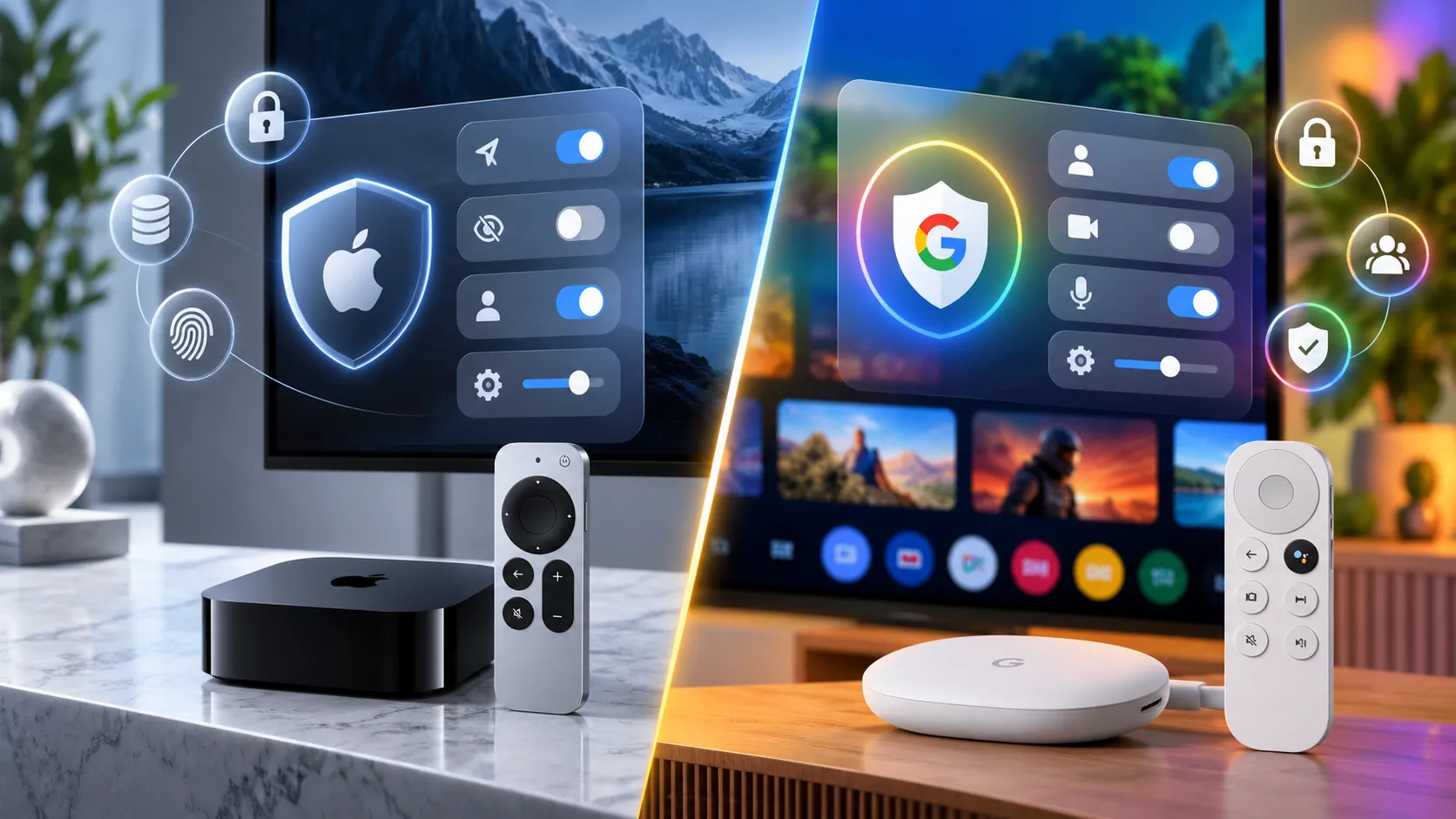
PRO TIP: Dedicated streaming devices like Roku, Apple TV, or Amazon Fire TV consistently deliver the most reliable live sports experience. These purpose-built devices maintain current software, offer superior WiFi connectivity, and provide processing power specifically optimized for streaming applications—often outperforming smart TV apps that may not receive regular updates.
What technical considerations ensure smooth streaming?
Internet connectivity quality determines your entire Champions League streaming experience, but optimizing for live sports requires understanding the difference between peak speed and sustained performance. Most platforms specify minimum requirements—typically 25 Mbps for 4K and 5 Mbps for HD—but these represent baseline conditions that don't account for real-world network fluctuations.
Network stability proves more critical than raw speed for live streaming applications. A consistent 10 Mbps connection typically outperforms a 50 Mbps connection with significant fluctuations because live sports streaming can't pause to buffer like on-demand content. This stability advantage explains why wired ethernet connections often provide superior streaming experiences compared to WiFi, even when wireless speed tests show apparently adequate performance.
Modern streaming platforms employ sophisticated buffer management and adaptive streaming technology to automatically smooth minor connection issues. These systems adjust quality in real-time and maintain playback continuity, but they can't overcome fundamental connectivity problems or network congestion that overwhelms your available bandwidth during peak usage periods.
The key to optimization lies in understanding your network's actual performance characteristics during evening hours when Champions League matches typically occur. This means considering how many devices simultaneously use your network, whether your router can sustain the required data throughput, and if your internet service provider experiences congestion during prime time viewing hours when millions of viewers are streaming simultaneously.
Ready to stream the beautiful game?
The evolution of sports streaming has created unprecedented access to Champions League soccer, but success requires more technical awareness than traditional television viewing. Your experience depends on understanding platform availability in your region, working within geographic restriction realities, optimizing your device and network setup, and having contingency plans when technical issues arise.
While this landscape seems complex compared to simply turning on the television, the advantages are substantial: flexible, often more affordable access to world-class soccer content delivered exactly how you want to watch. You're no longer tied to cable packages filled with channels you don't want, and you can enjoy matches from virtually anywhere with proper preparation.
For the Newcastle vs. Barcelona clash and future Champions League matches, invest time testing your complete streaming setup before kickoff. There's nothing worse than discovering compatibility issues, subscription problems, or network connectivity limitations when the teams are already walking onto the pitch and you should be enjoying the beautiful game instead of troubleshooting technology.
Quick Setup Checklist:
Verify your streaming platform subscription includes live Champions League access
Test your internet connection speed and stability during evening hours
Confirm your device compatibility and update streaming apps
Have backup viewing options ready in case of technical difficulties
Start your stream 10 minutes early to resolve any last-minute issues





Comments
Be the first, drop a comment!