



Oprah Amazon Deal Explained: What Amazon Really Bought
Amazon and Harpo Entertainment announced a multi-year agreement today giving Wondery, Amazon's podcast network, exclusive distribution and advertising rights across audio and video for The Oprah Podcast. Most coverage is treating this as a podcast story. The podcast may be the least interesting part of what changed hands.
The package also includes Oprah's Book Club, Oprah's Favorite Things, and all 25 seasons of The Oprah Winfrey Show, three properties that sit closer to retail, commerce, and library programming than to anything resembling a podcast feed. Financial terms were not disclosed, Variety reported today. Rather than making the show exclusive, the agreement hands Amazon control over distribution and ad sales across the covered audio and video properties included in the agreement, pointing toward a platform strategy that extends well beyond the podcast itself.
What remains unresolved is nearly as significant as what was announced.
What the Oprah Amazon deal actually includes
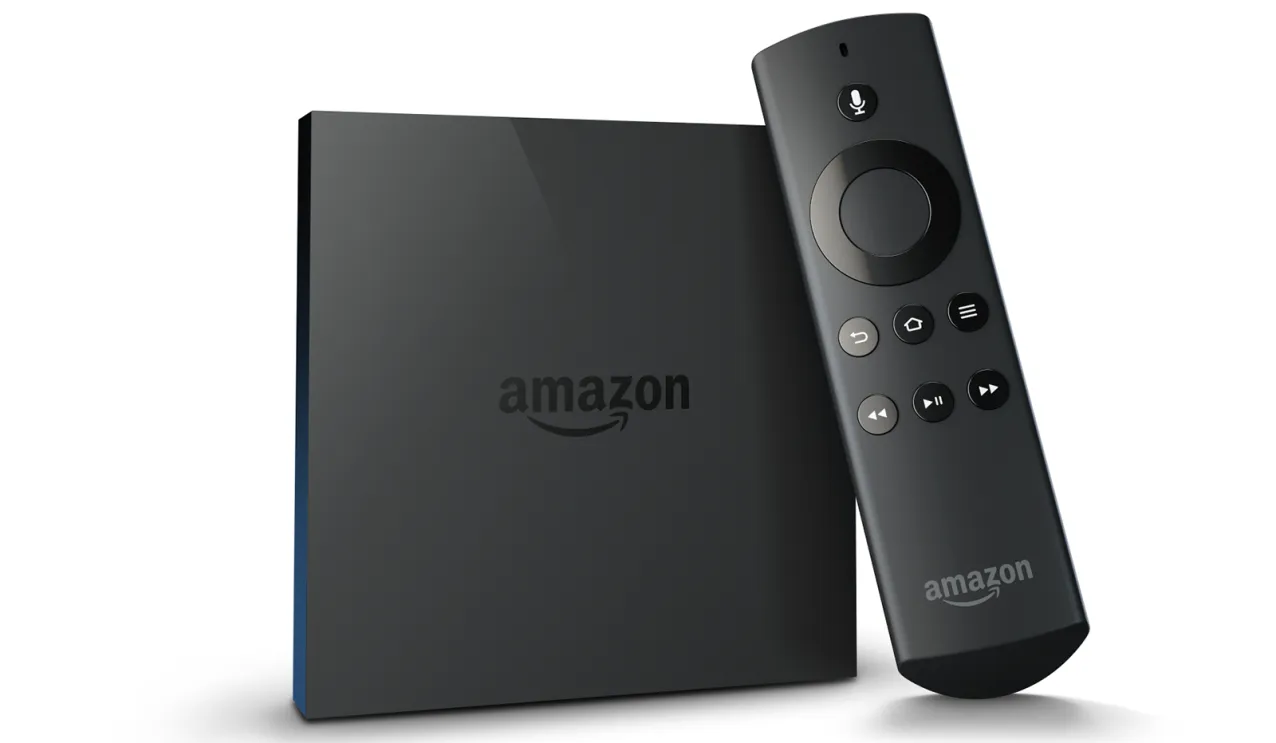
Starting in July, The Oprah Podcast expands from once to twice weekly and distributes across Prime Video, Amazon Music, Audible, and Fire TV Channels, while continuing on YouTube and other major podcast platforms, The Verge reported today. Wondery holds distribution and ad-sales rights across all channels. The content stays everywhere; the monetization flows through Amazon.
Oprah's Book Club and Oprah's Favorite Things are a different category of asset. The deal gives Amazon rights to both franchises, with the opportunity to integrate them further across its platforms, The Hollywood Reporter noted today. That language points toward potential connections with Kindle and print sales, Prime Video promotion, and Amazon's retail infrastructure. No specific mechanisms have been announced for either franchise.
The 25-season Oprah Winfrey Show archive is the most open-ended piece of the package. Amazon is still determining how to present the old episodes, according to Variety as cited by The Verge. Options reportedly under consideration include assembling themed interview collections by subject or re-releasing archival conversations timed to current cultural moments. Neither approach requires heavy production investment, but neither has been confirmed either.
What Amazon hasn't said
The company has not announced where the 25-season archive will live, whether old episodes will be free, ad-supported, or tied to a Prime subscription, or how ad sales will work across non-Amazon platforms. Oprah's Book Club has long had the reach to move attention and, in some cases, sales, but Amazon hasn't said how it plans to use that reach inside its ecosystem. Oprah's Favorite Things has functioned as a retail event for decades, and the integration possibilities with Amazon's commerce infrastructure are not subtle. Plans for neither franchise have been disclosed, The Hollywood Reporter confirmed today.
Those are not minor details. The Oprah Podcast doubles in frequency either way. Whether this deal generates sustained engagement and meaningful commerce activity over time depends on decisions Amazon hasn't made public.
Why Amazon isn't locking Oprah behind a paywall
The non-exclusive distribution structure is the most strategically legible part of this arrangement. Amazon wants The Oprah Podcast available everywhere, on YouTube, on Apple Podcasts, on Spotify, while controlling how it monetizes and how it surfaces inside Amazon's own ecosystem. That's a different playbook than the streaming-exclusivity model that defined the previous decade, and it reflects a deliberate choice about where the money is.
Amazon VP Steve Boom said the company can expand audience engagement in ways "only Amazon can deliver," per Variety today. Broad distribution makes that claim coherent: the wider the reach, the larger the ad inventory Amazon now controls. Exclusivity would shrink the audience; open distribution builds the inventory.
Oprah's own statement points the same direction. She cited expanding "global reach" as a key reason for the partnership, according to Variety, a goal easier to achieve by staying on every platform than by retreating behind a Prime paywall.
Matt Sandler, GM of Creator Services at Amazon, described Oprah as someone who built a direct audience relationship "long before the term 'creator' existed," The Hollywood Reporter reported today. That framing places this deal inside the same creator-services structure that houses New Heights with Jason and Travis Kelce, Armchair Expert with Dax Shepard, and Baby, This Is Keke Palmer, Variety noted. Oprah is the highest-profile name on that roster, but she fits the same underlying model.
How this fits Amazon's Wondery restructuring
Today's announcement is the clearest expression yet of a strategic realignment Amazon began last August. When Amazon restructured Wondery, it moved traditional narrative audio shows like Dr. Death and American Scandal under Audible, and shifted celebrity-led video properties to a new creator-focused team, The Ankler reported last August. The logic was explicit: audio-first content goes to an audio-first platform; video-forward creator shows belong somewhere that can distribute across screens and monetize through advertising.
Boom said at the time that calling creator-first video shows "podcasts" is arguably a misnomer, the category having diverged enough from audio RSS feeds that the old label no longer fits, per The Ankler. The Oprah Podcast, which launched as video, slots directly into that redefined category.
The competitive context explains the urgency. YouTube reported 1 billion monthly active podcast viewers as of February and ranks as the most-used podcast platform in Edison Research's data, The Hollywood Reporter noted last August. Spotify reported video podcast consumption growing 20 times faster than audio-only listening, with more than 430,000 video podcasts on the platform, according to the same report. Netflix is also pushing into the space, with deals involving Spotify and iHeartMedia alongside originals featuring Pete Davidson and Michael Irvin, The Verge reported today. Every major platform is chasing the same inventory: recognizable talent, adaptable video content, audiences large enough to support premium advertising.
Oprah is the most recognizable talent any of them has signed.
The open question
The twice-weekly podcast launching in July is the easy part. What this deal actually becomes depends on three things Amazon hasn't announced: how it presents the 25-season archive, what retail integration looks like for Book Club and Favorite Things, and whether the monetization infrastructure it controls across non-Amazon platforms performs as Boom suggests it can.
The infrastructure exists. The plan, at least the visible part, does not. For a deal structured around assets beyond the podcast, that's where the story goes next.

Comments
Be the first, drop a comment!