





Best 4K Streaming Device: What Consumer Reports Really Scores
A cheap Fire TV Stick and an Apple TV 4K will both stream in 4K. Both support Dolby Vision. Both respond to voice commands. So when you're looking for the best 4K streaming device and Consumer Reports' five-dimension scoring framework tends to favor premium set-top boxes over cheap sticks, the reason isn't what's happening on the screen. It's everything else.
Streaming devices now reach roughly 68% of U.S. internet-connected homes, according to Parks Associates data cited by Consumer Reports. At that penetration, this is a mature market. Most buyers aren't discovering streaming for the first time; they're deciding whether to upgrade something they already own. That's a different question, and CR's testing framework is built to answer it.
The market runs on four software platforms: Amazon Fire TV, Apple TV, Google TV, and Roku, spread across hardware priced from roughly $25 to $150, split between HDMI stick-style devices and set-top boxes. Consumer Reports updated its full device list in late 2024 and now formally includes data privacy and data security as scored dimensions, separate from ease of use, features, and picture quality. How a platform behaves carries documented weight alongside how it performs.
One caveat upfront: CR's precise numerical score rankings aren't available in the underlying research for this piece, so no verified ranking order is declared here. The argument is about what CR's criteria reward and why that matters for an actual purchase decision.
What Consumer Reports looks for in the best 4K streaming media device
CR's Overall Score pulls from five dimensions of expert lab testing: ease of use, features, picture quality, data privacy, and data security, as documented in its Apple TV 4K review and confirmed in the December 2024 ratings list. That's a wider lens than any spec sheet.
Ease of use is evaluated functionally: remote quality, app launch speed, menu responsiveness, and how well the device handles common navigation tasks. Not general user impressions. The features score covers Wi-Fi standard, casting protocol support, audio and video format compatibility, and app library breadth. CR's buying guide is plain about the structural gap: stick-style devices often carry fewer connections and features than set-top boxes by design, the guide notes. That design constraint feeds directly into the features score.
Picture quality is where the methodology gets interesting. CR notes in both the Apple TV 4K and Fire TV Stick 4K Max reviews that actual streaming quality depends primarily on network speed and the connected TV's panel, not the streaming device itself. The buying guide cites SpeedTest.net data showing the average U.S. broadband download speed now exceeds 200 Mbps, well above what 4K streaming requires. When picture quality becomes less differentiating across the category, the scoring dimensions where sticks have structural disadvantages carry more practical weight in the buying decision.
Privacy and security: the dimension most buyers skip
CR's inclusion of data privacy and data security as formal scored dimensions is worth sitting with. Most buyers glance at price and supported formats and stop there. CR doesn't.
The December 2024 ratings update lists data privacy and data security as separate scoring criteria alongside ease of use and features. Advertising-supported platforms face different commercial pressures than subscription or hardware-first models, and CR's framework captures that distinction in a way that shopping by spec sheet doesn't. The actual scores for specific devices aren't publicly available here, so no comparative claims about which platform scores better can be made. But the framework exists, it's applied to every device CR rates, and ignoring it means making an uninformed choice on a variable that matters. Check it.
The practical implication is straightforward: two devices with similar picture quality and app availability can still differ meaningfully on how they handle your viewing data. CR built its ratings to surface that difference. Whether a given buyer cares about it is their call, but the information is there if they want it.
Where cheap sticks fall short
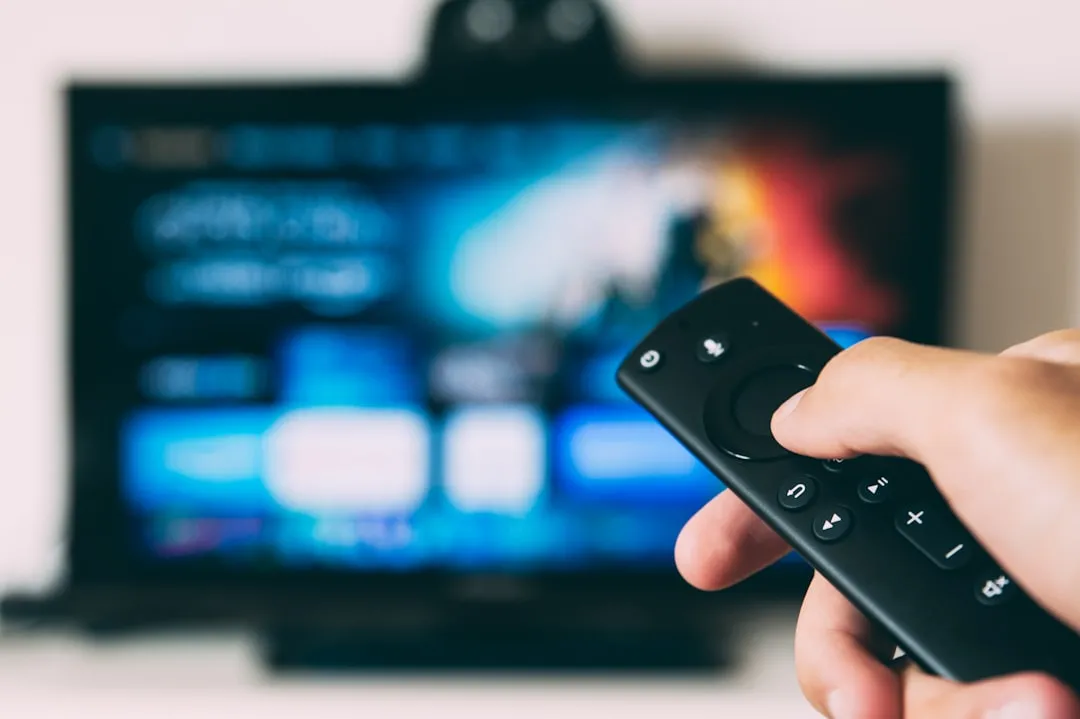
Cheap sticks are not bad at the part most people notice: getting a 4K stream onto the screen. CR rated the Fire TV Stick 4K Max's streaming picture quality as excellent, comparable to the best UHD smart TVs, with full support for HDR10, HDR10+, HLG, and Dolby Vision, fast navigation, and Wi-Fi 6, per CR's review. The Roku Ultra (2022) is among the easiest devices for everyday use, with fast response times and a customizable home-screen layout, CR found. For buyers who want basic 4K access and a full app library, sticks deliver that reliably.
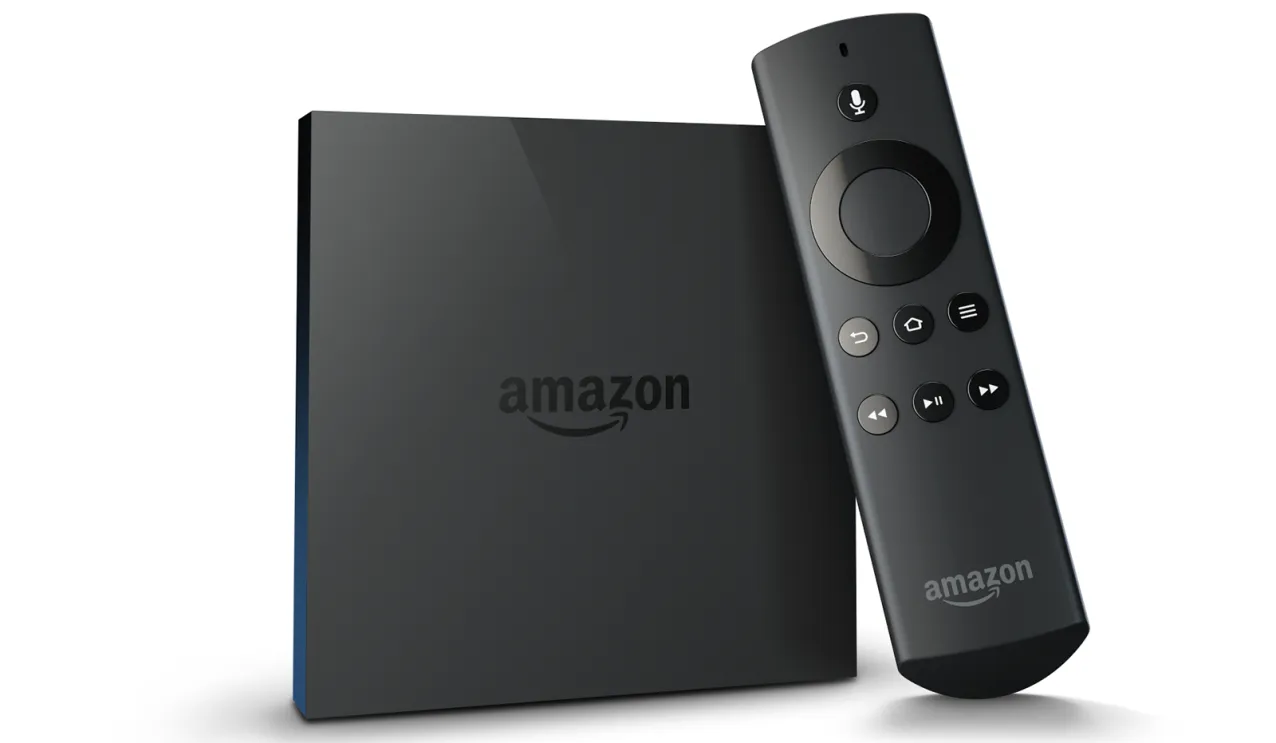
The Fire TV's documented weakness isn't hardware; it's platform design. Amazon's home screen surfaces Prime Video and IMDb TV content by default. When CR's testers attempted to purchase content through Vudu, a competing service, the device directed them to complete the transaction on a separate device entirely. CR called this "not a consumer friendly approach," in its review. CR's buying guide specifically highlights cross-service universal search as a quality-of-life feature worth having, noting that the ability to search across multiple services saves you from checking each one individually. A platform that steers search toward one retailer's catalog undercuts that by design.
The connectivity gap is a structural issue for the sticks covered here, not just a minor spec difference. The Fire TV Stick 4K Max lacks an Ethernet port and has 8GB of onboard storage, CR's review confirms. The Roku Ultra (2022) topped out at Wi-Fi 5 rather than Wi-Fi 6, and CR flagged that its speech-to-text doesn't work across all apps, per its review. The CR buying guide notes that some streaming devices do include Ethernet ports, making this a form-factor distinction rather than a universal rule, but the sticks in this comparison don't have one.
Taken together: with a stick, you trade away a wired network option, maximum feature breadth, and meaningful local storage. With a Fire TV stick specifically, you also trade away a neutral interface that doesn't redirect content purchases. Those are exactly the variables CR's scoring is built to measure.
What the Apple TV 4K delivers that justifies the premium
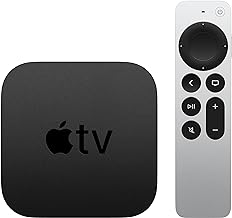
The Apple TV 4K (64GB, 2022) covers every major HDR format: HDR10, HDR10+, Dolby Vision, and HLG, alongside Dolby Atmos audio, Wi-Fi 6, a wired Ethernet port, AirPlay casting, and 64GB of onboard storage, per CR's review. CR's features score rewards format breadth, Wi-Fi standard, casting support, and connectivity. The Apple TV 4K checks every box in that dimension systematically.
One capability stands apart from what the sticks in this comparison offer: a picture calibration system that uses an iPhone with Face ID and iOS 14.5 or later to read the connected TV's actual color output and adjust the Apple TV's signal accordingly, according to CR's review. This is the kind of system-level feature expert lab testing is designed to identify and reward. Whether it produces a meaningful visible improvement depends on the quality of the connected TV and the viewer's attention to setup; CR documents the capability, not a guaranteed outcome.
CR did not flag the same purchase-routing issue in the Apple TV review that it documented for Fire TV. That's a meaningful contrast: the behavior CR called "not a consumer friendly approach" on Amazon's platform was absent from the Apple TV review. Worth noting, though, is that the Roku Ultra (2022) also supports AirPlay, as CR's review confirms, so AirPlay alone isn't a differentiator between Apple TV and Roku's higher-end hardware. What Apple TV adds is deeper ecosystem integration for households already using iPhones, iPads, or Macs: features like shared photo libraries, Spatial Audio profiles for AirPods, and the picture calibration system all require Apple devices to function. For households without them, that ecosystem value mostly doesn't apply.
The honest filter is three questions. Does your household own Apple devices you'd actually use with these features? Do you buy or rent digital content outside a single retailer's storefront? Do you want a wired Ethernet option for a more stable connection? A yes to any of these makes the Apple TV 4K's price premium easier to justify. A no to all three, and a Roku stick handles the basics well enough that the premium is hard to defend.
The incomplete picture: Google TV and what this analysis can't confirm
CR's current device list includes the Google TV Streamer (4K), Onn 4K Pro Streaming Device, and several other Google TV-platform options that don't have separate detailed reviews in the research available here, per the CR ratings list. That's a gap worth naming. For buyers who aren't in Apple's ecosystem and want a step up from a basic stick, Google TV-based devices could be relevant alternatives. Without CR review data on their specific scores across ease of use, features, and the privacy dimensions, no fair comparison can be made. Anyone making a final decision should check CR's current full ratings.
A plain decision framework
Picture quality has become a weaker separator in the 4K streaming category than it used to be. Both the Fire TV Stick 4K Max and the Roku Ultra (2022) earned excellent streaming picture ratings from CR, with the Fire TV comparison described as on par with the best UHD smart TVs, per their respective reviews. All the devices in CR's current lineup support HDR10, and a number also support Dolby Vision and HDR10+, CR notes. Choosing on 4K HDR capability alone means choosing on a feature the whole category already shares.
What CR's scoring actually separates is platform behavior, feature depth, connectivity options, and now data practices. That's where the real differences live.
- Buy a Roku stick if price is the primary constraint. Roku's interface doesn't carry the purchase-routing behavior CR flagged on Fire TV, making it the more neutral choice among budget sticks.
- Avoid Fire TV if you regularly buy or rent content outside Amazon's storefront. The platform's design will make that harder, and CR documented it explicitly.
- Choose Apple TV 4K if you're in Apple's ecosystem, want Ethernet and full format coverage, and will actually use what the platform offers.
- Check CR's full ratings before ruling out Google TV-based options, especially if none of the Apple ecosystem features apply to your household.
CR's privacy and security scores exist for a reason. A shopper who ignores them is still making a choice, just not a fully informed one.


Comments
Be the first, drop a comment!