



Amazon Fire TV Vega OS Explained: App Gaps and Lost Sideloading
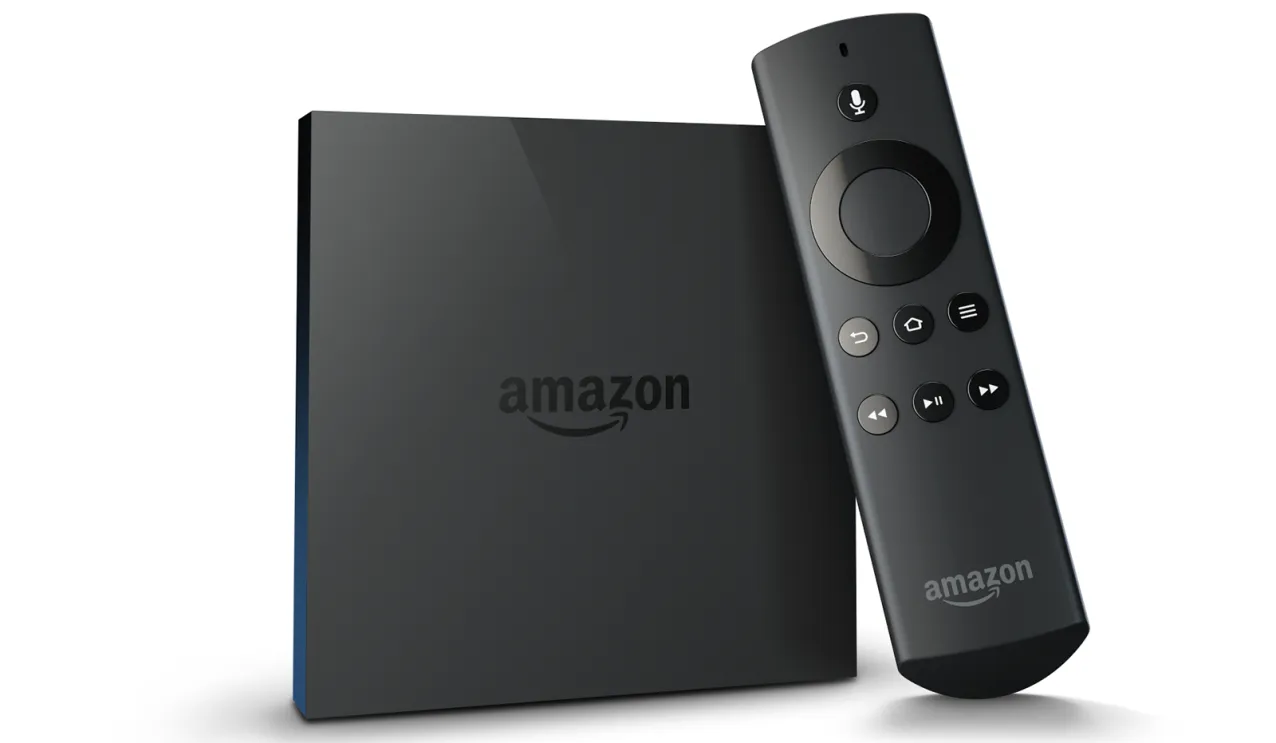
The Fire TV Stick 4K Plus and 4K Max are the last Amazon streaming sticks that let you install apps from outside the official store. Starting with the Fire TV Stick 4K Select, all future Fire TV Sticks run Amazon Fire TV Vega OS, a Linux-based system built entirely in-house, and the shift comes with a smaller app library, no practical sideloading, and a platform engineered around Amazon's priorities rather than yours. AFTVnews confirmed two weeks ago that Amazon still describes Vega as the future of all new Fire TV Sticks.
If you're shopping for a streaming stick and value the openness that made Fire TV worth recommending over Roku or Apple TV, that argument has been substantially weakened. This is about what buyers give up, and why Amazon decided they should.
One thing worth stating clearly: existing Android-based Fire TV devices aren't being converted to Vega, and there's currently no indication Amazon plans to disable sideloading on them, AFTVnews reported two weeks ago. This change affects anyone buying new.
What the app gap actually looks like on Amazon Fire TV Vega OS devices
The most immediate consequence of buying a Vega-based Fire TV Stick is an app library that trails not just current Android-based rivals, but hardware from a decade ago.
Vega OS supports roughly 1,257 apps in total, counting both native titles and apps cloud-streamed from virtual Android servers. Android-based Fire OS supports over 30,000. That gap holds even when every benefit of the doubt is extended to Vega's numbers, AFTVnews reported last October.
Measured against Amazon's own Featured App list, a popularity-weighted ranking, Vega covers 53% of the top 100 Fire TV apps and under 40% of the top 250. Those figures trail every Android-based Fire TV device, including first-generation sticks from 2014 and 2015 running Fire OS 5, AFTVnews found. The category-level gaps are stark: Vega lists zero games and zero books and comics apps, while Fire OS carries over 7,000 games and 152 books and comics titles in the same comparison.
Amazon's workaround is to cloud-stream Android apps to Vega devices, running them on remote servers and sending the video output to your TV. Even with that workaround counted in Vega's totals, the combined catalog still falls short of decade-old hardware. The cloud-streaming bridge was offered free for the first nine months, with developer charges planned to follow, Dolby OptiView reported last October. Whether developers absorb that cost or quietly withdraw from the platform is an open question.
If your Fire TV use is Netflix, Prime Video, Disney+, and a handful of major streaming services, Vega may be fine. The mainstream apps are covered or likely to be covered. If you rely on fitness apps, niche streaming services, local news apps, games, or anything in the long tail, you're walking into real gaps. That distinction matters for everything that follows.
Sideloading on future Fire TV Sticks running Vega is effectively gone
Fire TV's Android roots made sideloading accessible enough that privacy-minded users, hobbyists, and anyone with an app that never made it into official stores could actually use it. On Vega, that's gone. The familiar "allow apps from unknown sources" toggle that existed on every previous Fire TV simply doesn't appear in the settings, AFTVnews documented last October. Apps can only be installed through the Amazon Appstore.
A technical sideload path does exist, but the barrier is high enough to make it meaningless for most users. It requires an Amazon developer account, hidden developer options accessible only after tapping through an obscure device menu, a USB cable connected to a computer, and Amazon's proprietary tooling installed on that computer, as AFTVnews documented last October. Even then, AFTVnews reported that every Vega OS app it sideloaded eventually stopped launching altogether, though it couldn't determine with certainty whether that was intentional behavior or a bug.
Amazon frames this as a security and privacy benefit, and that framing isn't entirely invented. Closed ecosystems do reduce certain attack surfaces, as Dolby OptiView noted last October in describing Vega's design goals. What that framing doesn't mention is that eliminating sideloading also makes Amazon the sole distributor of software on the device. There's no independent evidence that sideloading on the old platform created meaningful security harm for typical Fire TV users. The security argument and the business argument happen to point in exactly the same direction.
This is where Fire TV's practical differentiation from Apple TV and Roku disappears. Those platforms never offered sideloading. Fire TV did. The users who relied on it for Kodi, for privacy-focused apps, for regional services that never made it into the official store, are now looking at hardware that has regressed in capability relative to what it replaced.
Why Amazon made this tradeoff, and what it means for the buyer
Amazon's reasons for building Vega are genuine. The company never licensed Google's Play Store or official Android services; it used the open-source Android code base and built around it, which created perpetual compatibility lag and no clean path to modern features. A purpose-built OS can legitimately run leaner on constrained hardware. The technical choices in Vega, including a modern JavaScript runtime and efficient memory management, are defensible on engineering grounds, iReplay noted last November.
The problem is that the architectural argument and the consumer experience are currently pointing in opposite directions. The Fire TV Stick 4K Select was holding a 2.9 out of 5-star early customer rating, AFTVnews reported last October. Those architectural advantages haven't translated into a noticeably better experience.
The developer situation explains a good part of why. Every existing Fire OS app is incompatible with Vega; there's no migration path, only a full rewrite using new tools, iReplay reported last November. The reference hardware ships with 1GB of RAM, half the memory of Amazon's previous 4K sticks, meaning developers are rewriting apps to run under tighter constraints than before. The thin app catalog at launch isn't arbitrary. The rebuild is genuinely costly, and every developer who hasn't completed that migration is a direct drag on what buyers can do with the device.
The causal chain is straightforward. Amazon wants platform control. Platform control requires a proprietary OS. A proprietary OS breaks app compatibility and ends sideloading. Developers absorb the rebuild cost. Users absorb the app gap. Amazon captures the resulting closed ecosystem. That logic doesn't lead anywhere that benefits the buyer, at least not yet.
Who should care, and what to do about it
Vega may become a competitive platform. Amazon has the resources to close the app gap, and the technical foundation isn't unsound. "May improve," though, is a bet on Amazon's future priorities, not a present consumer benefit.
The evidence right now is concrete. Vega covers fewer than 40% of Fire TV's 250 most popular apps, AFTVnews found last October. That gap narrows only as fast as developers rebuild for a more constrained platform on Amazon's terms. The cloud-streaming bridge filling part of that gap was free for the first nine months, with charges planned to follow, Dolby OptiView reported. If that cost drives smaller developers off the platform, the gap widens rather than closes.
Here's where that leaves buyers today:
- Mainstream streamers who use Netflix, Prime Video, Disney+, and a few major services will likely find Vega adequate. The hits are covered.
- Tinkerers, Kodi users, and anyone who has relied on sideloading should know that capability is gone by design on all future Fire TV Sticks, confirmed company policy per AFTVnews two weeks ago. The 4K Plus and 4K Max are the last models that allow it.
- Niche app users fitness platforms, regional broadcasters, specialty streaming services should check whether their specific apps are in the Vega catalog before buying, not after.
- Existing Fire TV owners have no reason to act. Their devices aren't being converted, and sideloading isn't being disabled on Android-based hardware.
For anyone in the second or third category, the last Android-based Fire TV Sticks are worth considering while they're still being sold. Google TV and Roku both offer mature app catalogs and more predictable ecosystems for buyers who don't want to gamble on Amazon's roadmap.
Sideloading being gone isn't a launch limitation that Amazon will quietly re-enable. It's the product.

Comments
Be the first, drop a comment!