



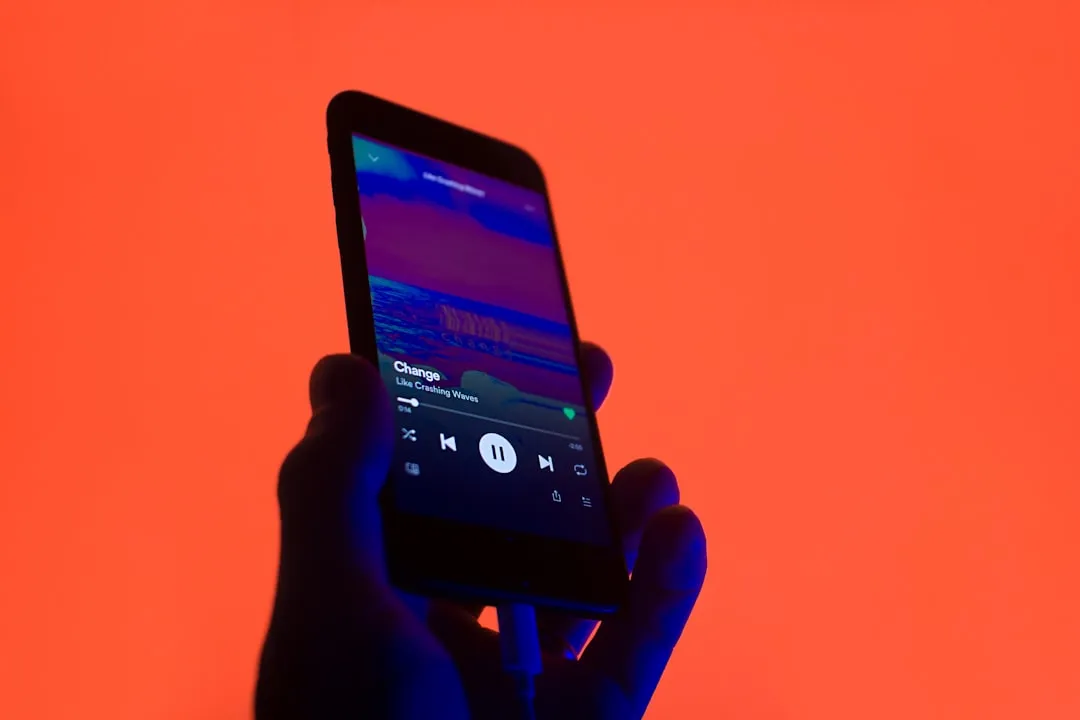
The 2025 streaming recap season has landed with a twist. Spotify Wrapped 2025 has just launched, bringing its signature blend of personalized music insights and social media-ready graphics. But this year's arrival tells a bigger story about how the streaming landscape has fundamentally shifted.
While Spotify traditionally owned December with its viral annual tradition, the competitive field has expanded dramatically. Apple Music Replay is available natively in the Apple Music app and updates weekly, giving users ongoing access to their stats throughout the year rather than a single December event. YouTube has rolled out its own Recap feature that covers not just music but all viewing habits, creating a more comprehensive entertainment review.
What makes 2025 particularly compelling is how Spotify is responding to this competitive pressure. An interactive Wrapped Party feature lets you turn your stats into a competition to play with friends, marking a significant shift from individual reflection toward shared social experiences. This collaborative element represents a fundamental evolution in how year-end recaps function—transforming them from personal nostalgia into interactive entertainment.
The streaming recap arms race intensifies
The year-end music recap landscape has evolved into a genuine strategic battleground, with each platform pursuing distinct philosophies about when and how users should engage with their listening data.
Apple Music Replay has been front and center in the Apple Music app since late February, launching three months earlier than last year. This continuous approach means users aren't waiting until December to explore their patterns—they're building an ongoing relationship with their data. The weekly refreshing Replay playlist becomes a living soundtrack that morphs as your habits change, creating what Apple describes as a year-round engagement tool rather than a seasonal event.
YouTube's entry fundamentally expands the scope of what year-end recaps can encompass. YouTube's Recap feature "uniquely highlights interests, deep dives, and moments" based on watch history, while YouTube Music app users still have a separate YouTube Music Recap available within that app. This dual-platform approach positions YouTube to capture both music consumption and broader entertainment habits, potentially offering insights no single-focus service can match.
The timing strategies reveal deeper philosophical differences about user engagement. Spotify takes the opposite tack: Wrapped freezes the data cut-off on October 31, spends November crunching numbers, and drops the full interactive story in the first week of December. This approach treats the recap as a cultural moment—something users anticipate and experience collectively across social media.
These different strategies serve distinct user needs. Apple's continuous model appeals to users who prefer ongoing insights and immediate gratification. Spotify's event-driven approach creates shared cultural experiences that generate widespread social engagement and brand awareness. The success of each model will likely depend on whether users prioritize personal utility or social participation in their music reflection habits.
Spotify's party feature signals a strategic pivot
The collaborative party feature represents Spotify's most significant innovation in Wrapped's evolution, addressing a fundamental shift in how people want to interact with their music data and each other.
Unlike previous years where Wrapped encouraged individual sharing to social media, the interactive party feature transforms your stats into a competition to play with friends. This suggests real-time interaction between multiple users' listening histories, requiring sophisticated data processing to compare and gamify different people's music consumption patterns simultaneously.
The technical complexity behind this feature is substantial. Processing over 678 million monthly active users and over 100 million tracks already strains infrastructure, but enabling collaborative features that work across multiple accounts in real-time represents a significant engineering achievement. The system must handle not just individual data retrieval, but cross-user comparisons, scoring algorithms, and collaborative interface functionality.
This social integration aligns with broader industry trends toward meaningful connection rather than passive consumption. Research shows that social motivations for music listening are especially significant in collectivist cultures, suggesting Spotify recognizes that music discovery and appreciation fundamentally happens through social connections rather than purely algorithmic recommendations.
The party feature also addresses a practical user experience gap. Instead of users manually comparing screenshots or discussing their individual Wrapped results separately, they can now engage in structured, interactive comparison activities. This transforms what was previously a conversation starter into an actual shared activity, potentially increasing both engagement time and emotional connection to the platform.
Platform differentiation accelerates beyond catalogues
The introduction of collaborative features signals that streaming services have moved well beyond competing solely on music libraries, audio quality, or even recommendation accuracy. The new competitive front focuses on engagement depth and social utility.
Apple Music Replay's big selling point is continuity, treating year-end insights as an ongoing service rather than an annual event. This approach serves users who want consistent access to their evolving listening patterns without waiting for December. The weekly updating creates a different relationship with personal data—one of ongoing self-awareness rather than retrospective surprise.
YouTube's Recap feature will even assign users a "personality type" based on viewing habits, such as Adventurer, Skill Builder, and Creative Spirit. This expansion beyond music metrics into behavioral psychology suggests these platforms are positioning themselves as lifestyle reflection tools rather than simple entertainment services.
The integration strategies also reveal different ecosystem philosophies. Apple bakes Replay into Apple Music on iOS, macOS, watchOS, CarPlay, and the web, while Spotify distributes Wrapped inside its mobile and desktop apps and pushes a shortened version to the free web player. These approaches reflect whether platforms see recaps as core functionality or special experiences.
The success of Spotify's party feature will likely influence how competitors approach social integration. If collaborative elements drive significant user engagement, we might see Apple introducing group Replay features or YouTube creating collaborative video retrospectives. Conversely, if users prefer individual reflection, other platforms might double down on personalization and private insights rather than social functionality.
The future of music recaps extends beyond nostalgia
Looking at current innovations, music recaps are evolving from simple data presentations into sophisticated tools for understanding our relationship with entertainment, culture, and each other.
AI integration represents a major frontier in this evolution. Spotify has launched features like AI DJ and AI Playlist using generative AI technology, and there's a new Listening Archive feature that leverages AI to dig into your most memorable streaming days in detail. Future recaps might not just show what you listened to, but help you understand why certain songs resonated during specific life moments, connecting your music choices to broader emotional and contextual patterns.
The social elements introduced this year could expand into network analysis and influence mapping. Imagine recaps that don't just show your individual listening but visualize how songs spread through your social circle, or identify which friends introduced you to your favorite discoveries. These features would transform recaps from personal reflection into social relationship insights.
The platform approaches suggest different trajectories for user engagement. Apple's continuous updating model might evolve into real-time mood and context awareness, providing insights about how your music choices correlate with weather, location, or calendar events. Spotify's event-driven approach might expand into themed seasons or quarterly cultural moments that create multiple engagement peaks throughout the year.
The broader trend points toward recaps becoming comprehensive lifestyle analytics rather than simple entertainment summaries. As platforms integrate podcasts, audiobooks, and video content alongside music, these year-end features might evolve into holistic digital consumption insights that help users understand their learning patterns, entertainment preferences, and cultural interests as interconnected aspects of their digital lives.
What's clear is that music recaps have become critical competitive differentiators rather than nice-to-have features. Platforms will continue investing in making these experiences more engaging, more social, and more integrated into users' ongoing relationship with their content consumption habits. The winner won't necessarily be the platform with the best music catalog, but the one that best helps users understand and share their cultural identity through their listening choices.







Comments
Be the first, drop a comment!