





Amazon launched the new Fire TV Stick 4K in early October 2026 at a $59.99 list price, and reviewers at several outlets have already put it through its paces. A genuine Fire TV Stick 4K half-off price would land close to $30, but the available reviews don't document an active sale at that number, a specific retailer listing, or a discount window.
The stick runs Amazon's new Vega operating system instead of the Android-based platform older Fire TV devices use. Amazon's and Roku's $60 streaming sticks are frequently discounted below list price, so a Fire TV Stick 4K sale wouldn't be surprising this soon after launch. However, a current half-off offer hasn't been verified.
Without a confirmed $30 offer, the question is whether the device's platform limitations and specifications make it worth buying if that discount appears.
Is the Fire TV Stick 4K half-off price actually live?
The standard Fire TV Stick 4K price is $59.99, according to The Streamable and PCMag. Half off that figure puts the device at approximately $30, a price that isn't substantiated by a current retailer listing or sale date in the cited reporting.
Before buying, check the live Amazon listing and compare the displayed price with the product's regular price and any stated sale end date. Fire TV Stick 4K has been a recurring product name across hardware generations, so confirm that the listing identifies the Fire TV Stick 4K (3rd Gen, 2026) rather than an older model.
Amazon's official device specifications identify the 2026 version as model AFTCR001, running Vega OS 2.0 with Wi-Fi 6 support.
A short checklist is worth running before adding anything to the cart:
Does the TV support Dolby Vision?
Is Dolby Atmos or a compatible soundbar or receiver part of the setup?
Are the specific streaming apps you rely on available under Vega OS?
Does the household use sideloaded apps?
Can the TV supply sufficient USB power, and will the stick or its cable obstruct neighboring ports?
Vega OS and app support: the limitation to check first
The Fire TV Stick 4K's Vega operating system has more limited app support than the older Android-based Fire TV platform and doesn't support conventional Android app sideloading, according to PCWorld.
Amazon told PCWorld it doesn't plan to build new streaming devices on its old Android-based platform going forward. That doesn't establish how quickly Vega's app catalog will expand or whether it will eventually match the older platform.
The Streamable's reviewer reported that the standalone Shudder app wasn't available on their Vega-based review unit, leaving Shudder content accessible through Prime Video rather than a separate Shudder app. That's one documented app gap from a single review unit, not a complete audit of Vega's catalog or proof that every Vega device and region lacks Shudder.
Anyone who depends on a specific standalone streaming app should verify its availability before buying at any price, half off or not.
Picture, audio, and power: what the specs support and skip
The Fire TV Stick 4K supports 4K resolution with HDR10, HDR10+, and HLG, but not Dolby Vision, a limitation confirmed by PCMag and Computer Bild.
Amazon's specifications list HDMI passthrough for Dolby Digital, Dolby Digital Plus, and Dolby Atmos. The stick can therefore pass supported Dolby Atmos audio to compatible equipment, although it doesn't offer the same onboard Dolby audio decoding capabilities as some higher-end Fire TV devices.
The stick can run from a compatible TV's USB port instead of a wall outlet, which is handy for crowded power strips or travel. Computer Bild found that Amazon doesn't include a wall adapter in the box, so anyone without a suitable USB port may need to buy one separately. The stick's positioning can also obstruct neighboring connections on some TVs.
Storage tops out at 8GB, a figure worth knowing before installing numerous apps.
Speed claims: what PCWorld's testing actually shows
PCWorld tested the Fire TV Stick 4K against Walmart's Onn 4K Plus and Roku's Streaming Stick Plus and found it fastest specifically in Netflix-related loading tests. That supported Amazon's claim of being 20% to 40% faster than a similarly priced competitor in that scenario, but the advantage didn't carry across every measurement.
In PCWorld's testing, Netflix playback started in 32 seconds on the Fire TV Stick 4K after a fresh boot, compared with 43 seconds on the Onn 4K Plus and 39 seconds on the Roku Streaming Stick Plus. After an additional 30-second wait following startup, the Fire TV Stick 4K took 15 seconds, compared with 23 seconds for Onn and 19 seconds for Roku.
However, the Fire TV Stick 4K kept only three apps in memory before requiring a reload, compared with five on the Onn 4K Plus and four on the Roku Streaming Stick Plus. The Onn device has 2GB of RAM, compared with 1GB on the Fire TV and Roku sticks.
Waking from sleep took the Fire TV Stick 4K about five seconds, versus roughly two seconds for both competing devices. "Faster" here applies to specific tasks, not every interaction with the device.
PCMag also found the interface and apps responsive to remote input, with little time spent showing lower-resolution video before streams reached full 4K and HDR quality.
Fire TV Stick 4K price compared with the 4K Plus, Roku, and Onn
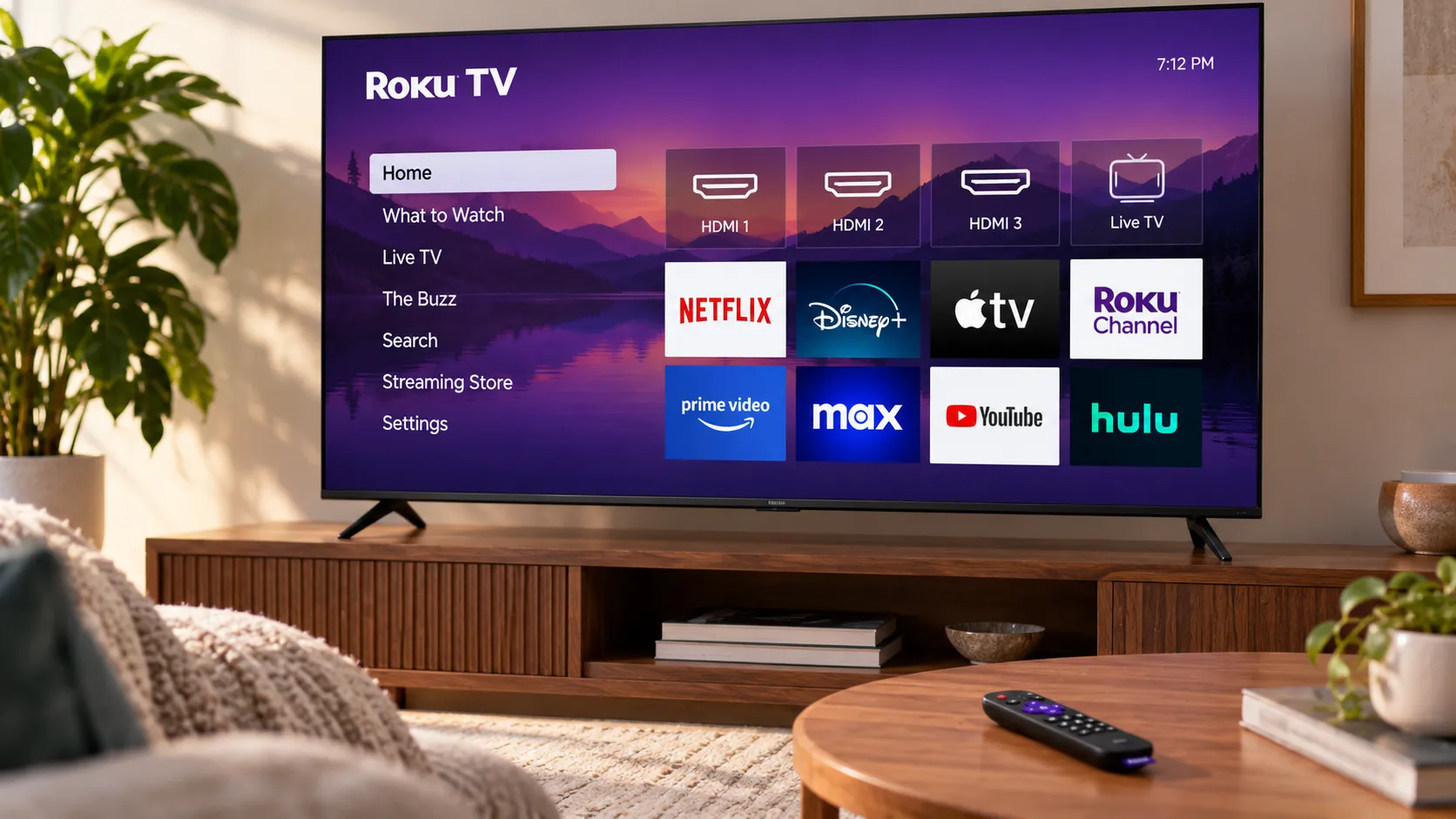
At full price, PCMag recommends spending $10 more on the $69.99 Fire TV Stick 4K Plus, which adds Dolby Vision and uses the older Android-based Fire OS platform. Roku's Streaming Stick Plus matches the Fire TV Stick 4K's $60 regular price and also runs from TV USB power, while Walmart's Onn 4K Plus costs less at $50 but comes as a small box rather than a dongle.
Those are regular prices cited in the reviews, not necessarily the amounts currently charged by retailers.
If the Fire TV Stick 4K genuinely drops near $30, it undercuts all three alternatives at their cited regular prices. However, PCWorld notes that Amazon's and Roku's sticks go on sale frequently, so the gap could narrow when competing models are discounted.
Value at that price also hinges on more than Dolby Vision. USB-power requirements, interface preference, Wi-Fi setup, and whether a must-have app is confirmed on Vega all factor into whether $30 is a good deal for a particular household.
Verify the exact Amazon listing and checkout price before buying, since a live half-off deal hasn't been confirmed. If the listing matches the 2026 Vega-based model and the price lands near $30, it's a reasonable option for a secondary TV or basic streaming needs.
Anyone with a Dolby Vision display, a preference for Android-based Fire OS, a sideloading habit, or a must-have app not yet available on Vega should compare it with the Fire TV Stick 4K Plus or a discounted Roku Streaming Stick Plus before deciding.

Comments
Be the first, drop a comment!