



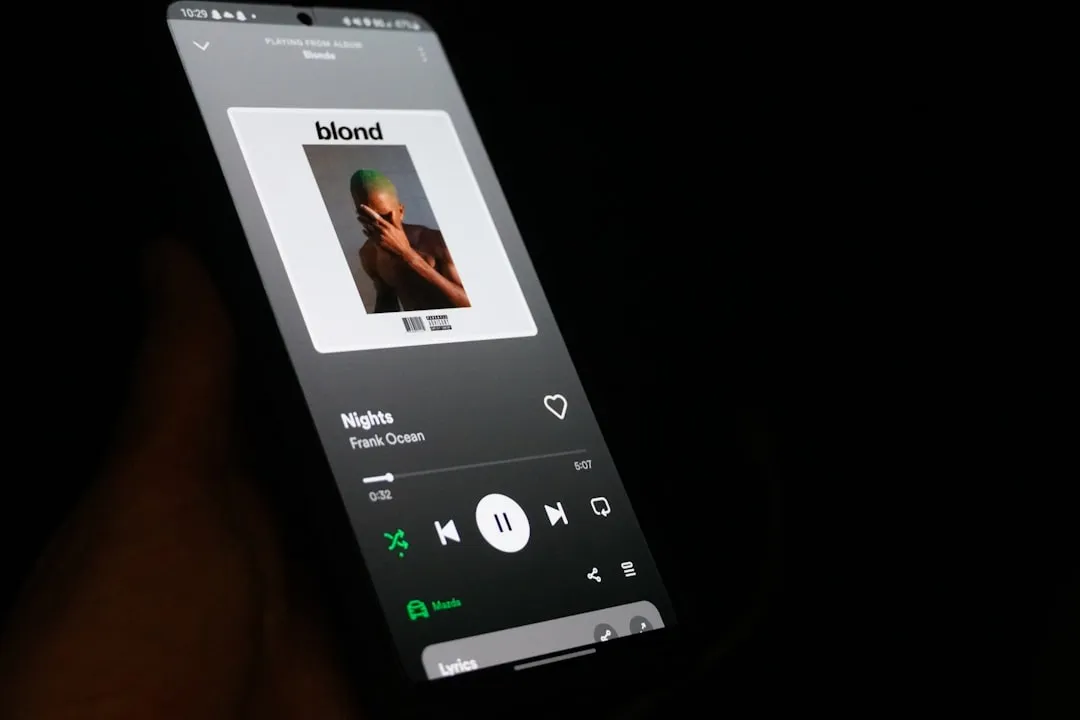
The streaming wars just got a little more interesting. After years of watching competitors like YouTube Music and Apple Music dominate the music video space, Spotify has finally decided to join the party stateside. But this isn't just about catching up—it's about fundamentally changing how we experience music on the platform.
For those who've been following Spotify's journey, this move represents a significant shift in strategy. The company has long been the king of audio streaming, but video? That's been largely uncharted territory for US users. Now, as we dive into what this means for your daily listening habits, the competitive landscape, and the future of music streaming, one thing becomes clear: Spotify isn't just adding a feature—they're reimagining the entire user experience.
What took Spotify so long to bring videos stateside?
Here's the thing that most people don't realize—getting music videos to US audiences isn't as simple as uploading files and hitting publish. The delay in bringing this feature stateside reveals the intricate dance between licensing negotiations, infrastructure development, and strategic timing that defines the streaming industry.
Let's break down the licensing maze first. Video rights operate under completely different agreements than audio streaming licenses. While Spotify might have the rights to stream an artist's entire catalog, the music videos often belong to different entities—sometimes the label, sometimes the artist's management company, sometimes a separate video production company. Each video requires individual negotiations, which explains why even major streaming platforms often have incomplete video catalogs.
Spotify's breakthrough came through a new direct license agreement with the National Music Publishers' Association (NMPA), which was crucial for clearing the rights to build video features that better connect artists and fans. This wasn't just about getting permission—it was about creating a framework that allows higher royalty payouts for independent music publishers and songwriters.
The technical infrastructure requirements presented their own unique challenges. Video streaming requires sophisticated content delivery networks that can handle massive file sizes, adaptive bitrate technology for different connection speeds, and advanced caching systems to ensure smooth playback across millions of users simultaneously. Rather than rushing this capability to market, Spotify methodically built these systems while learning from competitors' early missteps.
What's particularly strategic about Spotify's timing is how they've been quietly preparing. Their investment in podcast video content over the past few years wasn't just about podcasts—it was building the technological foundation and operational expertise needed for music videos. They tested video compression algorithms, studied user engagement patterns, and refined their recommendation systems to handle visual content across different use cases.
PRO TIP: This infrastructure investment explains why Spotify's video rollout feels so polished compared to other platforms' initial video launches. They learned from others' mistakes before entering the market.
How music videos change the Spotify experience
The introduction of music videos transforms Spotify from a background audio service into an active engagement platform. This shift carries implications that extend far beyond simply adding visual elements to your playlists.
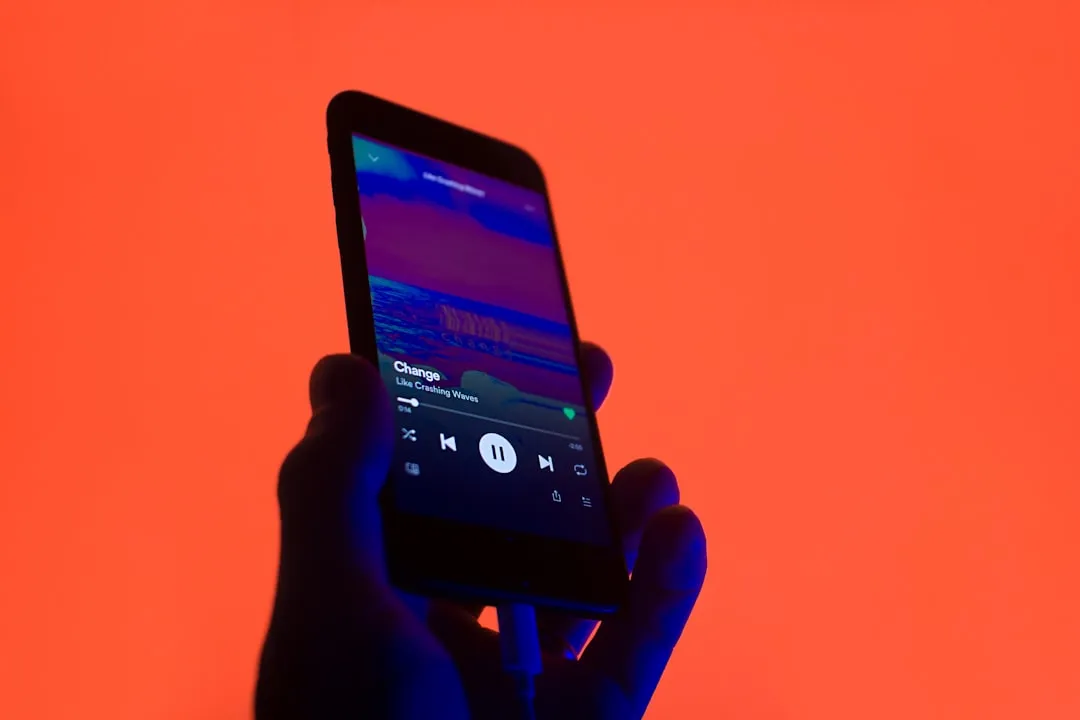
The seamless audio-to-video switching represents a major technical achievement that changes how users interact with content throughout their day. Users can start a song in audio-only mode during their commute, then switch to video when they arrive home, all without interruption. When the song plays, a new button labeled "Switch to video" will appear—on the desktop version, you'll find it on the right-hand side panel, and on mobile, it's above the song's title when viewing a now-playing track.
Music videos fundamentally reshape discovery patterns by introducing visual storytelling elements that pure audio might not convey. A song you've casually enjoyed might suddenly become a favorite after experiencing the artist's visual interpretation. For Spotify's recommendation algorithm, this creates entirely new engagement signals—video completion rates, replay behavior, and cross-pollination between visual and audio preferences—that can enhance their already sophisticated suggestion engine in ways that audio-only platforms simply cannot match.
The numbers back this transformation: when fans discover a track with a music video on Spotify, they're 34% more likely to stream it again and 24% more likely to save or share it in the following week. That's not just incremental improvement—that's a fundamental shift in how people engage with music that creates deeper connections between artists and listeners.
Artists gain unprecedented creative control over their Spotify presence through direct video integration. Beyond official music videos, they can showcase live performances, studio sessions, and conceptual visual pieces directly within the platform where fans already engage with their music. Artists can now add a music video to any track in their catalog, eliminating the friction of directing fans to external platforms for visual content and keeping engagement within the Spotify ecosystem.
The initial catalog features content from artists including Ariana Grande, Olivia Dean, BABYMONSTER, and Addison Rae, though Spotify is launching with an "initially limited catalog" that will expand as more artists and labels opt into the platform's video offerings.
What this means for the streaming competition
Spotify's video expansion forces every major streaming platform to reconsider their content strategy and user experience design. The competitive landscape suddenly requires excellence in both audio curation and visual content delivery, creating new battlegrounds for user attention.
YouTube Music's natural video advantage—unlimited access to YouTube's massive music video library—now faces competition from Spotify's superior personalization technology and seamless user experience design. While YouTube Music offers more comprehensive video catalogs, Spotify's strength lies in algorithmic discovery and interface design that intuitively connects users with content they'll love. The battle transforms from simple catalog breadth versus discovery intelligence into a more nuanced competition around how effectively each platform can integrate video into users' existing music consumption habits.
Consider the user base numbers: Spotify has more than 602 million users, which includes 236 million paid subscribers, while YouTube Music and YouTube's paid Premium tier, by comparison, has 100 million subscribers. That user base advantage gives Spotify significant leverage in negotiations with labels and artists, potentially allowing them to secure exclusive video content or more favorable licensing terms that could accelerate their catalog growth.
Apple Music finds itself defending a different competitive position entirely. Their approach emphasizes editorial curation and exclusive content partnerships, leveraging relationships built through years of iTunes video sales. Apple Music also has a robust collection of music videos, editorial video playlists and in some cases 4K remasters of classics. Apple's strategy focuses on premium, exclusive experiences rather than algorithmic discovery, creating a three-way competition between catalog size, recommendation intelligence, and editorial exclusivity that serves different user preferences and consumption patterns.
The implications extend to artist and label strategies in meaningful ways. Previously, music video distribution followed different timelines and exclusivity windows across platforms, with artists often forced to choose between immediate reach and strategic partnerships. Now, with Spotify actively competing for video content, we're likely to see more simultaneous multi-platform releases and potentially exclusive video content deals that mirror Spotify's successful podcast exclusivity strategy.
Platform differentiation increasingly depends on the integration quality between audio and video experiences rather than simple feature availability. Services that can seamlessly blend these formats while maintaining their core strengths will likely capture user engagement, while platforms that treat video as an afterthought may lose ground in user retention metrics and daily active usage.
Where does Spotify's video strategy go from here?
Bottom line: this US music video launch represents the foundation for Spotify's evolution into a comprehensive multimedia entertainment platform. The technical infrastructure and operational capabilities they've developed extend far beyond music videos into territory that could reshape how we think about streaming platforms entirely.
The video delivery system now supports virtually any visual content format, opening doors for live performance streams, artist interviews, documentary content, and user-generated videos. Spotify's creator-focused initiatives could easily expand to include visual content creation tools, potentially challenging platforms like TikTok and Instagram in music-focused social content while leveraging their existing recommendation algorithms to surface visual content more intelligently than purely social platforms.
We're already seeing hints of this broader vision. Spotify Wrapped will be getting a new metric this year—your most-watched music videos. That's not just a fun feature—it's Spotify training users to think of video consumption as part of their core music experience and gathering data on visual preferences that can inform future recommendation improvements.
Integration possibilities with Spotify's existing ecosystem present compelling opportunities that no other platform can replicate. Video content that adapts to workout intensity through Spotify Running, visual experiences that sync with Car View's interface design, or video recommendations that complement mood-based playlists all become technically achievable with the current infrastructure while drawing on years of user behavior data that gives Spotify unique insights into individual preferences.
The personalization algorithms that power Spotify's audio recommendations can now incorporate visual preferences, viewing patterns, and cross-modal engagement data to create recommendation experiences that no purely audio or purely video platform can match. This means suggestions that consider both your musical taste and visual content preferences simultaneously, potentially surfacing artists you might never discover through audio-only algorithms.
PRO TIP: Watch for Spotify's podcast video features to expand rapidly now that the music video infrastructure is proven. There are now more than 300,000 video podcasts on the service, with overall time spent watching video growing faster than audio-only listening time.
Looking at market opportunity data, there's clearly significant room for growth. Of Spotify's 40 most-streamed tracks in 2023, 36 had official music videos, according to an analysis by Chartmetric. Those videos averaged 374 million views; the audio tracks for them, 1.1 billion streams. That massive gap represents an opportunity for Spotify to capture viewing attention that currently goes to YouTube and other video platforms, potentially increasing both user engagement and time spent within the Spotify ecosystem.
For artists, this creates new monetization opportunities beyond traditional streaming revenue. Video is premium real estate for Spotify, unlocking more sponsorship models and providing deeper analytics around everything from completion rates to audio replays following a video view. For artists, in-app video can be used to prompt pre-saves, merch and touring calls-to-action—effectively turning a single screen into an infinitely richer conversion funnel.
The key takeaway? Spotify's music video expansion isn't just about feature parity—it's about positioning the platform as the definitive destination for personalized multimedia music experiences, setting the stage for the next phase of streaming platform evolution. This isn't just about new tech—it's about rethinking how we interact with entertainment in an increasingly visual world where the lines between different types of media consumption continue to blur.









Comments
Be the first, drop a comment!